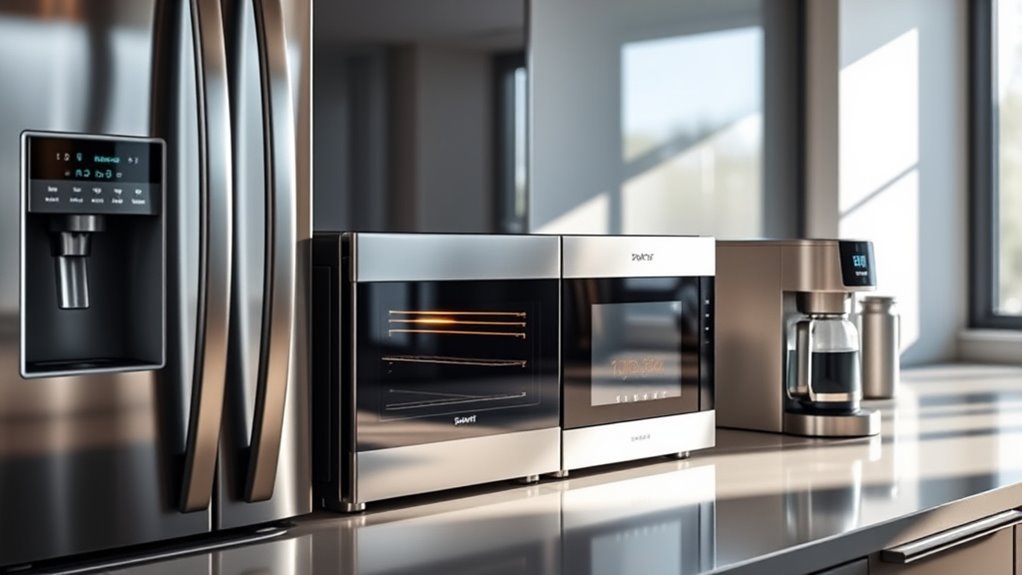

Smart appliances generally last between 2 and 5 years for software support, though their physical parts may endure 8 to 15 years. Rapid tech advances and limited updates often lead to earlier replacements. Electronic components are more fragile, and software obsolescence can shorten their effective lifespan. If you’re curious about how long different appliances actually last and what factors influence their durability, there’s more to uncover ahead.

Get kitchen gear delivered free with Prime
- Fast, free delivery on millions of items
- Prime Video, Amazon Music and more included
- Member-only deals all year
Key Takeaways
- Smart appliances typically receive software updates for 2-5 years, limiting their effective lifespan beyond hardware durability.
- Hardware components in smart gadgets are more fragile and prone to failure, often reducing overall lifespan compared to traditional appliances.
- Industry trends show electronic parts and support for smart devices tend to last around 8-12 years, but software support shortens this period.
- Rapid technological advancements and obsolescence can render smart appliances outdated within 3-5 years, regardless of hardware durability.
- Data sharing and security vulnerabilities pose risks that may necessitate replacing or upgrading smart appliances sooner.
Expected Lifespan of Traditional Major Appliances
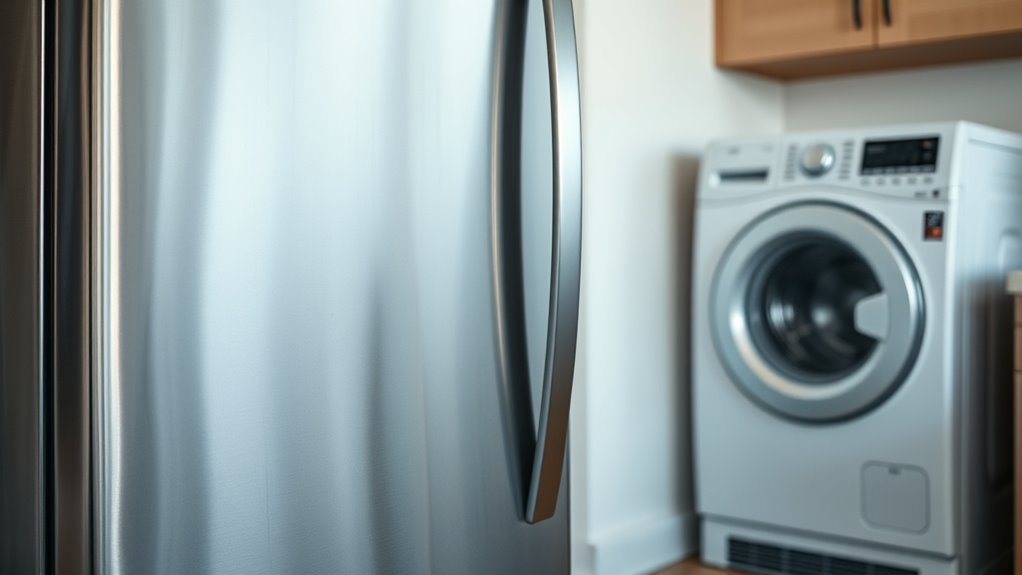
Traditional major appliances typically last between 8 and 19 years, according to Consumer Reports. You can expect your refrigerator or dishwasher to serve you around 10 to 12 years, with fridge-freezers lasting about a decade. Washing machines and dishwashers usually need replacement after about 10 years of use. Corded vacuum cleaners tend to last roughly 10 years, slightly more than cordless models. Over recent years, the lifespan of large household appliances has extended slightly, from about 11 years 7 months in 2019 to nearly 12 years 6 months in 2023. Despite these improvements, many consumers still anticipate their appliances to last longer, often over 10 years, but real-world durability varies. Proper maintenance can help you maximize your appliance’s longevity within this typical range. Additionally, understanding the technology used in appliances can help in choosing models that offer better durability and performance over time. Regularly updating components or performing preventive repairs can also contribute to a longer appliance lifespan, especially as advancements in energy-efficient components continue to evolve. Being aware of manufacturing quality standards can further inform your purchasing decisions and ensure greater durability. Moreover, awareness of product recalls and safety alerts can help prevent premature failures and extend appliance life.
Software Support Periods for Smart Devices

Smart appliances typically receive software support for a limited period, which can impact their security and functionality over time. Manufacturers offer varying support durations, influencing how long your device remains secure and up-to-date. For example, GE provides updates for 2 years after purchase or 5 years from launch, while Samsung guarantees at least 2 years of security patches. Beko and Miele extend support up to 10 years, but LG’s is limited to 2 years from launch. This discrepancy affects your device’s longevity and safety. The table below summarizes support periods:
| Manufacturer | Support Duration | Notes |
|---|---|---|
| GE | 2 years / 5 years | After purchase or launch |
| Samsung | 2 years | Security updates only |
| Beko | Up to 10 years | Connected products |
| Miele | 10 years | Security updates |
| LG | 2 years | From product launch |
Additionally, software support can influence a device’s overall lifespan and security resilience, as ongoing updates are crucial for protection against emerging threats. Regular firmware updates help maintain optimal device performance and security over time, especially considering the importance of technology lifecycle in smart appliances. Ensuring compatibility with future software updates can help extend the useful life of your device beyond the initial support period.
Consumer Expectations Versus Actual Appliance Durability

You probably expect your appliances to last around 10 to 12 years, but the actual lifespan often falls short. Discrepancies in durability data mean manufacturers and consumers see different timelines, creating a gap between expectation and reality. Looking ahead, future challenges like software support and rapid tech advancements could further impact how long your appliances truly last. For example, software updates and compatibility can significantly influence the longevity of high-tech gadgets, as outdated software may limit functionality or security. Additionally, the rise of connected devices and IoT emphasizes the importance of understanding the long-term reliability and value of high-tech investments, especially as technological obsolescence becomes more common.
Expectation vs. Reality Gap
Many consumers expect their appliances to last at least a decade, often based on optimistic assumptions about durability. They believe that a large refrigerator, dishwasher, or washing machine should serve for 12 years or more. However, the reality is quite different. Most appliances reach their typical lifespan around 8 to 12 years, with some breaking down sooner due to wear, outdated technology, or lack of support. Smart appliances add another layer of complexity—while consumers expect them to last as long or longer than traditional models, manufacturers usually offer only 2 to 5 years of software updates. Additionally, appliance lifespan can be compromised by rapid technological obsolescence and limited repair options, further shortening their effective durability. Consumers often underestimate technological obsolescence and the challenges related to repairs, which can significantly impact the appliance’s longevity. Regular maintenance plans and power consumption insights can help extend some appliance functionalities but cannot fully counteract the effects of rapid tech change and repair limitations. Moreover, rapid advancements in smart technology can render appliances outdated well before their physical components fail, impacting their overall lifespan. It is also important to consider manufacturer support and how it influences long-term usability and updates.
Discrepancies in Lifespan Data
Consumers often overestimate how long their appliances will last, expecting at least a decade of reliable service. However, actual lifespans often fall short of these expectations. For instance, many large appliances average around 8 to 12 years, and smart appliances typically receive software support for only 2 to 5 years. Despite consumer beliefs that appliances should last 10 years or more, data shows that most appliances, including refrigerators and washing machines, often need replacement sooner. This gap between expectations and reality stems from manufacturers’ limited support periods and rapid technological obsolescence. As a result, consumers may feel disappointed when appliances fail earlier than anticipated, underscoring the disconnect between what people hope for and what the industry delivers. Additionally, understanding the appliance lifespan can help set more realistic expectations and plan for timely replacements.
Future Durability Challenges
Although expectations for appliance longevity remain high, the reality is that most devices fall short of these hopes due to limited support periods and rapid technological advancements. You might expect your smart appliance to last a decade or more, but manufacturers often provide software updates for only a few years, increasing the risk of obsolescence. This gap creates future durability challenges, including:
- Shorter support windows compared to consumer expectations
- Rapid tech obsolescence driven by updates and innovations
- Limited data security and privacy guarantees over time
- Increased repair costs as parts become outdated
- Consumer frustration over early replacements despite high initial investments
As technology advances faster, your appliances may struggle to keep up, making durability and longevity more uncertain than ever. Managing these expectations is vital for making smarter buying decisions.
Privacy and Security Concerns in Smart Appliance Use

As you use smart appliances, you’re sharing more data than you might realize, which can pose significant privacy risks. Security vulnerabilities could expose your personal information or even allow unauthorized control of your devices. Understanding these risks helps you make smarter choices about how you protect your privacy and secure your smart home. Additionally, local automation can help keep sensitive data within your home network, reducing exposure to external threats. Implementing secure network practices can further mitigate potential security issues.
Data Sharing Risks
Have you ever considered the privacy and security risks that come with smart appliances sharing your data? When your devices transmit usage information, you risk exposing sensitive details about your routines and habits. This data can be targeted by hackers or misused by companies. Be aware that smart appliances often:
- Share 3.4MB-19MB of data weekly with manufacturers
- Potentially reveal personal routines through usage patterns
- Face security vulnerabilities if not properly encrypted
- Are vulnerable to hacking if security updates lapse
- Could be exploited to access your home network
- Regular software updates are essential to patch vulnerabilities and maintain security. Additionally, many devices lack robust encryption, making them more susceptible to breaches if not properly secured. Manufacturers sometimes fail to implement end-to-end encryption, leaving data more exposed during transmission. While many manufacturers encrypt data, vulnerabilities exist, especially if software support ends. Ensuring ongoing security measures and staying informed about how your device handles data and applying updates promptly can help reduce these risks and protect your privacy.
Privacy Implications
Smart appliances collect and transmit your usage data regularly, raising significant privacy and security concerns. You might not realize how much information is shared, from your routines to personal preferences. This data can reveal when you’re home, what you cook, or even your daily habits. While many manufacturers encrypt this data, the sheer volume shared—up to 19MB weekly—raises fears of unauthorized access or misuse. Concerns grow when data falls into the wrong hands, potentially leading to identity theft or targeted attacks. Although some brands promise encryption and security measures, the ongoing collection means your privacy is always at risk. Being aware of what data is shared and how it’s protected helps you make informed decisions about using smart appliances safely.
Security Vulnerabilities
While smart appliances offer convenience and advanced features, they also introduce security vulnerabilities that can put your personal data at risk. These devices often collect and share your usage data, making them attractive targets for cyberattacks. To protect yourself, consider these points:
- Regularly update your appliance’s software to patch security flaws.
- Use strong, unique passwords for device accounts.
- Enable two-factor authentication if available.
- Limit data sharing permissions where possible.
- Keep your home network secure with a strong Wi-Fi password and encryption.
Even though many manufacturers encrypt data and monitor vulnerabilities, the increasing connectivity means potential breaches are a real concern. Staying informed and proactive helps safeguard your privacy while enjoying the benefits of smart technology.
Lifespan of Specific Appliance Types

Different appliance types vary markedly in their expected lifespans, influenced by their design, usage, and technological features. For example, non-smart major appliances typically last between 8 and 19 years, with large household devices now averaging about 12.5 years. Refrigerator-freezers usually last 10 to 11 years, while dishwashers and washing machines often need replacement after about 10 years. Corded vacuum cleaners tend to last around 10 years, slightly longer than cordless models, which average about 4.5 years. Small appliances like microwave ovens last nearly 10 years, but items like air fryers may only last around 2.5 years. Overall, while advancements have increased longevity slightly, many appliances still face wear and tear that limits their lifespan.
Industry Trends in Appliance Longevity

Industry data shows that appliance lifespans are gradually increasing, driven by technological advancements and improved materials. You’ll notice a steady rise of about 1.8% annually in the durability of larger appliances, extending their usefulness over time. This trend reflects ongoing efforts to make appliances more resilient and longer-lasting for consumers.
Increasing Average Lifespan
Recent industry data shows that the lifespan of appliances is steadily increasing, reflecting technological advancements and improved manufacturing standards. You’re likely to see longer-lasting devices across categories, thanks to these trends. Here are some ways appliance longevity is improving:
- Large appliances now last about 11 months longer than in 2019, averaging 12 years 6 months.
- Smartphones have extended their lifespan from nearly 4 years to over 4 years 8 months.
- Tablets last approximately 1 year longer, reaching almost 6 years.
- Small appliances, like steam irons, see over 3% annual growth in lifespan.
- Overall, large appliances are gaining about a month in longevity each year.
These improvements mean you can expect appliances to serve you longer, reducing the need for frequent replacements.
Tech Advancements Extend Durability
Advancements in technology are actively boosting the durability of appliances, allowing them to last longer than ever before. Innovations like improved materials, smarter engineering, and enhanced manufacturing processes contribute to these gains. For example, the average lifespan of large household appliances has increased by nearly a year since 2019, reflecting better quality and design. Smart appliances benefit from firmware updates that extend their usability, with some brands offering support for up to 10 years. Additionally, advancements in component durability, such as corrosion-resistant parts and energy-efficient motors, help appliances withstand wear and tear. As a result, you can expect modern appliances to last longer and perform more reliably, reducing replacement frequency and offering better value over their lifecycle.
Industry Longevity Trends
Long-term trends show that appliances are lasting longer than they did a decade ago, driven by technological improvements and better manufacturing practices. Since 2019, the lifespan of high-tech appliances has increased by about 3.4% annually, adding roughly two months each year. Smartphones now last nearly a year longer, and tablets have gained over a year in durability. Small appliances like steam irons are improving even faster, with a 3% yearly increase. Large appliances see an 1.84% annual extension, equating to about 11 months more use over time. This shift reflects industry efforts to enhance durability, incorporate smarter components, and meet consumer expectations for longer-lasting products.
- Appliance lifespan has steadily increased across categories
- Tech improvements extend product durability
- Manufacturers focus on longer support periods
- Consumer expectations drive innovation
- Industry adapts to evolving durability standards
Comparing Smart and Non-Smart Appliance Lifespan
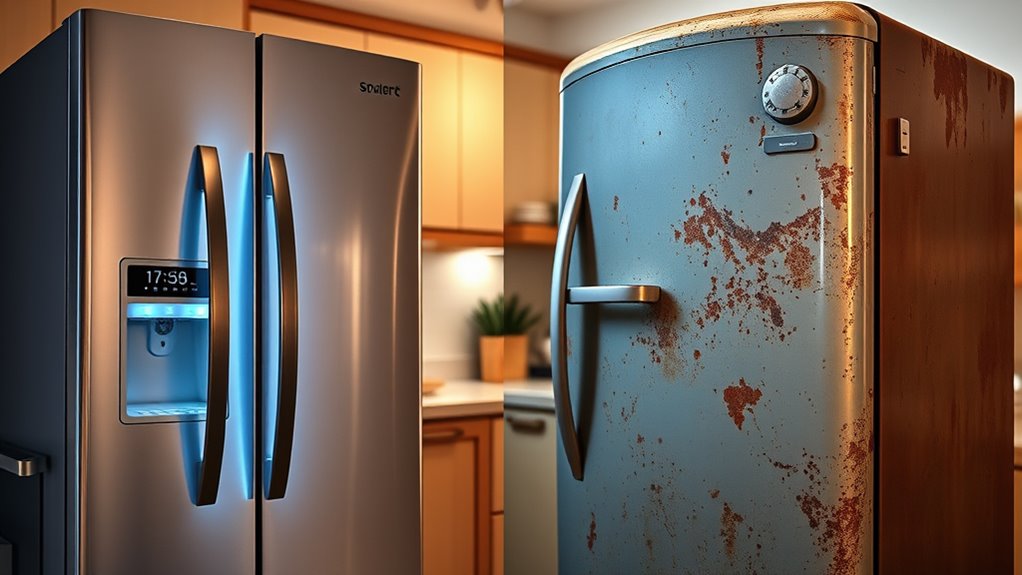
While smart appliances often promise enhanced features and convenience, their actual lifespan typically falls short of user expectations compared to traditional appliances. Non-smart appliances, like refrigerators and washing machines, usually last between 8 to 19 years, with many exceeding a decade. In contrast, smart appliances often have limited software support, ranging from 2 to 10 years, which can impact long-term usability. Despite consumers expecting smart gadgets to last as long or longer than their non-connected counterparts, support periods and rapid technological obsolescence shorten their effective lifespan. Additionally, ongoing software updates and security patches are often limited, meaning the device’s core hardware might outlive its smart capabilities. Overall, traditional appliances tend to offer more predictable longevity, while smart devices face quicker obsolescence due to software and technological advancements.
Impact of Technology Advancements on Appliance Durability
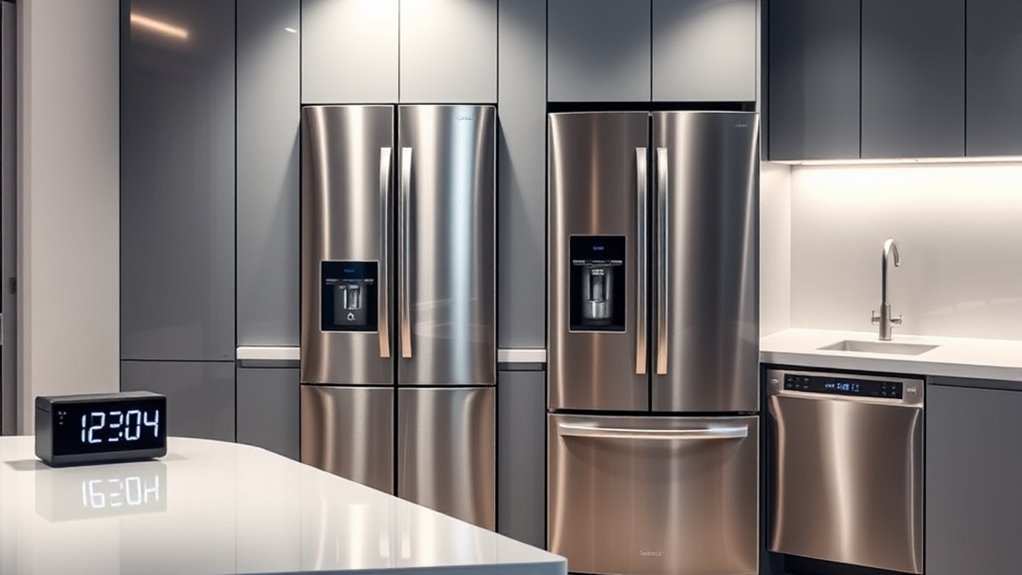
Technological advancements have considerably reshaped the durability of modern appliances by enabling new features and smarter functionalities. These innovations often extend lifespan by improving performance and maintenance, but they can also introduce complexities that lead to earlier failures. For example, software updates can fix bugs or improve security, but limited support periods may shorten overall appliance usability. Additionally, smarter gadgets often rely on delicate electronic components, which can be more prone to damage. You should consider the following impacts:
Technological advances improve appliance performance but may also increase complexity and fragility.
- Enhanced performance through better materials and design
- Longer software support periods for some brands
- Increased vulnerability to software glitches and cyber threats
- Greater reliance on electronic parts, risking quicker breakdowns
- Evolving consumer expectations for longer-lasting, connected devices
Balancing innovation with durability remains key in this tech-driven landscape.
Factors Influencing the Shorter Lifespan of Certain Smart Gadgets
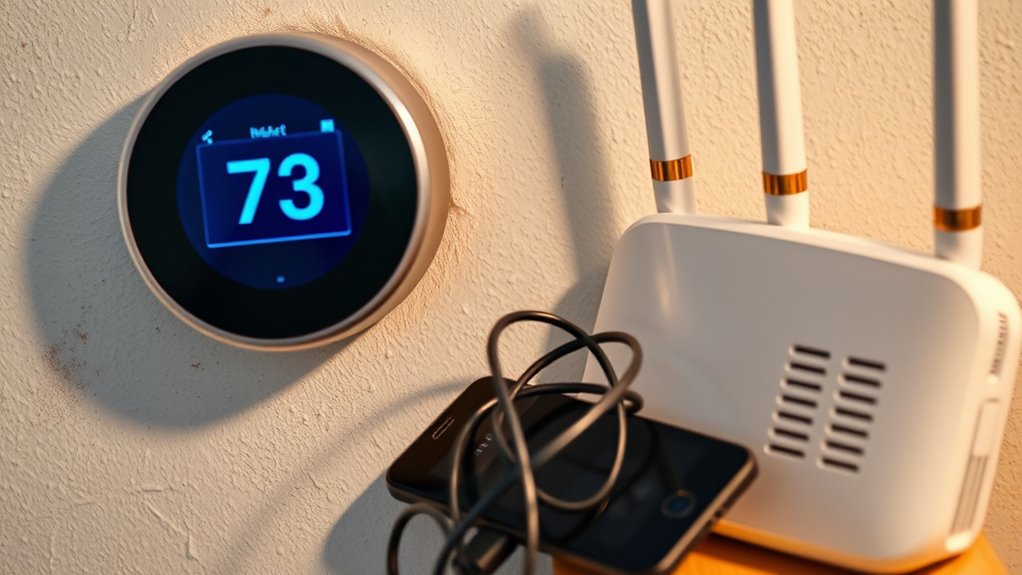
Despite advancements that boost appliance performance and support, many smart gadgets still tend to have shorter lifespans compared to their traditional counterparts. One major factor is rapid technological obsolescence; manufacturers often release updates or new models, making older devices outdated faster. Software support periods are limited, leaving devices vulnerable or less functional over time. Complex electronic components and miniaturized parts are more prone to failure, especially as devices age. Frequent software updates can also introduce bugs or compatibility issues, accelerating wear. Additionally, smart gadgets often rely on internet connectivity, exposing them to security risks and hardware stress from constant data processing. Finally, consumer expectations for cutting-edge features can lead to earlier replacements, even if the device is still operational.
Future Outlook: Extending the Life of High-Tech Appliances

Advancements in technology and innovative design are paving the way for high-tech appliances to last longer than ever before. Manufacturers are investing in durable materials, smarter diagnostics, and modular components that facilitate repairs. Software updates now extend device usability, ensuring security and functionality beyond initial support periods. To maximize lifespan, you can:
- Opt for appliances with longer software support periods
- Prioritize brands committed to sustainability and repairability
- Use diagnostic tools to catch issues early
- Follow maintenance best practices regularly
- Stay informed about firmware updates and security patches
These strategies help you get more value from your investment. As technology evolves, expect appliances to become more resilient, adaptable, and easier to repair, ultimately extending their lifespan and reducing waste.
Frequently Asked Questions
How Do Software Update Policies Affect Smart Appliance Longevity?
Software update policies directly influence your smart appliance’s longevity by ensuring it stays secure and functions properly. When manufacturers provide regular updates, your device remains protected from vulnerabilities and benefits from performance improvements, extending its useful life. However, limited update support means your appliance could become outdated or insecure sooner, prompting earlier replacement. To maximize lifespan, choose brands that offer longer or ongoing software support for your connected devices.
Are There Industry Standards for Smart Appliance Durability?
There are no formal industry standards for smart appliance durability, so it’s up to manufacturers and consumers to set expectations. Some brands offer software updates for only a few years, which impacts lifespan, while others promise longer support. You should research each brand’s support policies and warranties, as these influence how long your smart appliance will last. Keep in mind, technology evolves quickly, affecting device longevity beyond physical durability alone.
Can Consumer Usage Habits Extend the Lifespan of Smart Appliances?
If you regularly clean and update your smart appliances, you can extend their lifespan. For example, avoiding overloading your smart washing machine or keeping software current helps prevent early breakdowns. Taking good care and following manufacturer guidelines reduces wear and tear. By practicing mindful usage, you might add a few extra years to your device’s life, ensuring you get the most value out of your investment and delaying costly replacements.
What Are Common Reasons for Early Smart Appliance Failure?
You might experience early failure in your smart appliances due to software glitches, inadequate updates, or security issues. Overloading or improper use can also cause hardware breakdowns. Additionally, poor manufacturing quality and exposure to moisture or extreme temperatures accelerate wear and tear. Neglecting regular maintenance worsens issues, leading to quicker failure. To extend your appliance’s life, keep software updated, use devices correctly, and perform routine maintenance.
How Will Emerging Technology Trends Impact Future Appliance Lifespans?
Emerging technology trends will likely extend your appliance lifespan through improved materials and smarter designs, making devices more durable and adaptable. You’ll benefit from longer software support and updates, reducing obsolescence. However, rapid innovation might also lead to quicker product replacements if new features entice upgrades. Overall, expect your smart appliances to last longer, but stay aware of evolving security and privacy concerns that could influence future device longevity and your user experience.
Conclusion
Ultimately, your smart appliances are like delicate glass sculptures—beautiful yet vulnerable to time’s wear. While technology promises innovation, it also challenges durability, making longevity a moving target. By understanding their lifespans and supporting them wisely, you can extend their usefulness, much like tending a garden that blooms anew each season. Embrace this dance of progress and care, ensuring your high-tech investments stand strong against the tides of time.
Halloween Picks
halloween
As an affiliate, we earn on qualifying purchases.