If you’re looking for a budget-friendly way to add remote control to your existing devices, smart plugs are the way to go. They are easy to install, portable, and suitable for appliances you frequently move or want quick automation for. However, if you’re upgrading appliances for better features and seamless integration, investing in built-in smart devices makes more sense. To decide what’s best for your needs, consider your long-term goals—more insights await if you continue.
Key Takeaways
- Use smart plugs for budget-friendly, quick upgrades to control existing appliances without wiring changes.
- Upgrade to smart appliances when replacing old units for advanced features, energy efficiency, and seamless integration.
- Choose smart plugs for portable, flexible automation across multiple devices and rooms.
- Retrofit with built-in smart appliances for long-term, embedded control when planning a permanent smart home setup.
- Consider costs, installation complexity, and desired control level to decide whether to upgrade or retrofit.
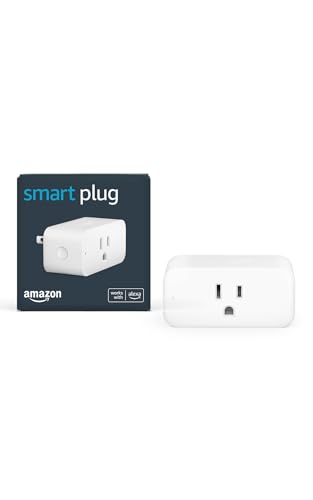
Amazon Smart Plug, Works with Alexa, Simple Setup, Endless Possibilities
Amazon Smart Plug works with Alexa to add voice control to any outlet.
As an affiliate, we earn on qualifying purchases.
As an affiliate, we earn on qualifying purchases.
Understanding the Basic Differences Between Smart Plugs and Smart Appliances

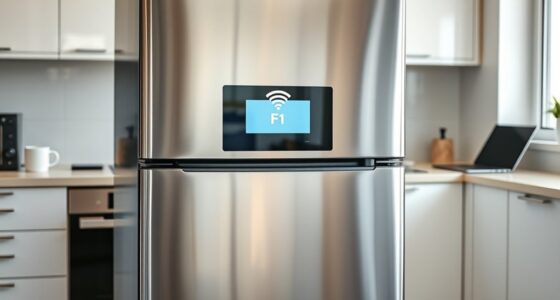
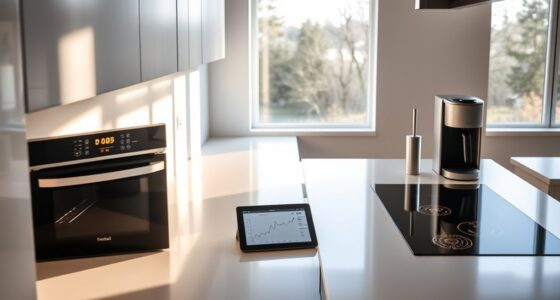
To understand the basic differences between smart plugs and smart appliances, it’s important to recognize their core functions. Smart plugs are small devices that connect to standard outlets and transform regular appliances into smart ones. They act as a bridge, allowing you to control your devices remotely via smartphone apps, voice commands, and automation. On the other hand, smart appliances come with built-in connectivity, meaning they are designed to be smart from the start. These appliances, like refrigerators or washing machines, integrate smart features directly into their design. While smart plugs offer a simple, flexible way to add smart control to existing devices, built-in smart appliances provide more advanced functionality and seamless integration. Both options enhance convenience but serve different needs and setups. Simple systems help make smart home technology more accessible and easier to maintain. Additionally, understanding the smart home ecosystem can help you decide which option best fits your automation goals, especially since interoperability between devices varies depending on the system. Considering device compatibility can significantly influence your overall smart home experience and ensure your devices work together smoothly.
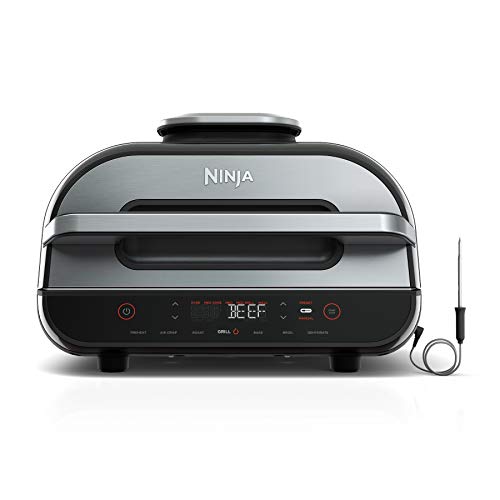
Ninja | Indoor Grill and Air Fryer| Foodi Smart XL | 6-in-1 Grill, Air Fry, Roast, Bake, Broil, Dehydrate & Crisp |Smart Thermometer & Splatter Shield | Dishwasher Safe Parts | Black/Silver | FG551
SMART INDOOR GRILL & AIR FRYER COMBO: The Ninja Foodi Smart XL Grill is an all-in-one indoor electric…
As an affiliate, we earn on qualifying purchases.
As an affiliate, we earn on qualifying purchases.
Cost Considerations: Which Option Fits Your Budget?

When weighing the costs of upgrading your home with smart technology, smart plugs generally offer a more budget-friendly option compared to built-in smart appliances. Most smart plugs cost under $20, making them an affordable entry point without breaking the bank. Retrofitting existing appliances with smart plugs is markedly cheaper than replacing them with smart appliances, which often carry a 20-50% price premium. Additionally, smart plugs require no major electrical work and can be installed instantly, saving on installation costs. Conversely, smart outlets may need professional wiring, adding to expenses. Built-in smart appliances are more expensive upfront but may offer advanced features. If you’re on a tight budget and want simple automation, smart plugs are the clear, cost-effective choice. Considering home automation options and other health screening options can help you make informed decisions about your health investments. Moreover, understanding the cost differences between retrofit and replacement can help you plan your smart home upgrades more effectively. Exploring energy efficiency benefits can also influence your decision, as smarter devices can lead to long-term savings. Additionally, evaluating the long-term savings potential from energy-efficient smart devices can further justify your investment choices.

Syantek Remote Control Outlet Wireless Light Switch for Household Appliances, Expandable Remote Light Switch Kit, Up to 100 ft Range, FCC Certified, ETL Listed, White (5 Outlets + 2 Remotes)
Wireless remote control: Suitable for a variety of electrical devices; Easily control with an on-off switch; Ideal for…
As an affiliate, we earn on qualifying purchases.
As an affiliate, we earn on qualifying purchases.
Installation Requirements and Ease of Setup

Smart plugs are designed for quick, plug-and-play setup, so you can connect them in seconds without any wiring knowledge. In contrast, installing smart outlets involves hardwiring into your electrical system, which might require shutting off power and some basic electrical skills. Built-in smart appliances usually follow standard installation procedures, similar to regular appliances, with no extra smart-specific steps needed. Additionally, the installation complexity varies depending on the device type and existing wiring, so it’s important to consider your comfort level with electrical work before upgrading. Many home safety & accessibility considerations, such as ensuring proper wiring and secure connections, can influence the ease and safety of the installation process. Understanding electrical wiring and safety protocols can help you determine whether a DIY upgrade is feasible or if professional assistance is recommended. For example, regional electrical codes may impose specific requirements that impact your installation approach. Proper knowledge of electrical safety standards can also prevent potential hazards during installation.
Plug-and-Play Setup
Plug-and-play setup makes integrating smart devices straightforward and accessible. You simply plug a smart plug into an outlet, then connect your appliance. No wiring or technical skills are needed, making it quick and hassle-free. For smart outlets, installation requires hardwiring, which may need professional help and circuit shutdowns. Built-in smart appliances follow standard setup procedures, similar to traditional appliances. Here’s a quick comparison:
| Feature | Smart Plug | Built-in Smart Appliance |
|---|---|---|
| Setup Difficulty | Very easy, plug-and-play | Standard, appliance-specific |
| Installation Time | Seconds | Minutes to hours |
| Wiring Requirements | None | Standard electrical wiring |
This simplicity makes smart plugs ideal for beginners or quick upgrades. Additionally, considering safe installation practices ensures that your smart device setup remains secure and reliable. Being aware of compatibility considerations can help prevent issues with integrating different smart devices in your home. Understanding electrical safety is also crucial when handling wiring and circuit modifications. Moreover, selecting the right power management strategies can improve energy efficiency and device longevity.
Electrical Wiring Needs
Installing smart outlets requires hardwiring into your home’s electrical system, which can be more complex than simply plugging in a device. You might need to shut off the power, access your electrical box, and connect wires properly, often requiring basic electrical knowledge or professional help. This process guarantees the outlet is safely integrated and compliant with electrical codes. In contrast, smart plugs are designed for quick, straightforward setup—just plug them into existing outlets and connect your appliances. While smart plugs are user-friendly and require no wiring, smart outlets involve a more involved installation process. If you’re comfortable with electrical work or willing to hire help, smart outlets provide a permanent solution, but if ease and speed matter, smart plugs are the better choice. Additionally, understanding electrical wiring requirements can help ensure a safe and compliant upgrade, especially when considering building codes and safety standards. Properly assessing installation complexity is crucial to determine the most suitable option for your needs, and being aware of electrical safety procedures can further reduce potential risks during installation.

Electricity Saving Box Energy Power Savings Device to Reduce Electric Bill Power Energy Electricity Factor Saver Smart Intelligent Plug in Home Office Surge Protector Strips Voltage Outlet
Safe Energy Saving Device: This energy saving device is built with flame retardant ABS housing and internal leakage…
As an affiliate, we earn on qualifying purchases.
As an affiliate, we earn on qualifying purchases.
Control Features and Automation Capabilities

Control features and automation capabilities vary markedly between smart plugs and built-in smart appliances. With smart plugs, you get basic remote control via smartphone apps, allowing you to turn appliances on or off from anywhere. You can set schedules and timers to automate operation, and voice commands work through Alexa or Google Assistant. However, these controls are generally limited to simple on/off functions. Built-in smart appliances, on the other hand, often offer more advanced, appliance-specific controls—like adjusting temperature, cycle options, or detailed settings—directly through dedicated apps or interfaces. They may also support more complex automation routines and integrations with other smart home systems. While smart plugs provide convenience and basic control, built-in smart appliances deliver a more all-encompassing, tailored automation experience. Advanced control options are typically exclusive to integrated smart systems, offering greater customization and flexibility.
Flexibility, Mobility, and Practicality in Everyday Use

Smart plugs offer unmatched flexibility and mobility, making them highly practical for everyday use. You can easily move them between outlets or rooms, adapting to changing needs without extra cost or effort. This portability allows you to control multiple appliances with one device, saving space and reducing clutter. If you want to add smart features to a lamp, fan, or coffee maker, just plug and go—no permanent installation required. You can also relocate smart plugs when upgrading or rearranging your space, maintaining their usefulness without the need for rewiring. Built-in smart appliances lack this mobility, as they’re fixed in place. With smart plugs, you gain the convenience of control wherever you go, making your home more adaptable and responsive to daily routines. Additionally, smart plugs can be integrated into local automation routines to enhance your home’s responsiveness and efficiency. Their portability also makes them ideal for temporary setups or seasonal use, giving you even more customization options. This flexibility is especially valuable in a compact living environment where space and adaptability are key.
Ideal Scenarios for Retrofitting With Smart Plugs
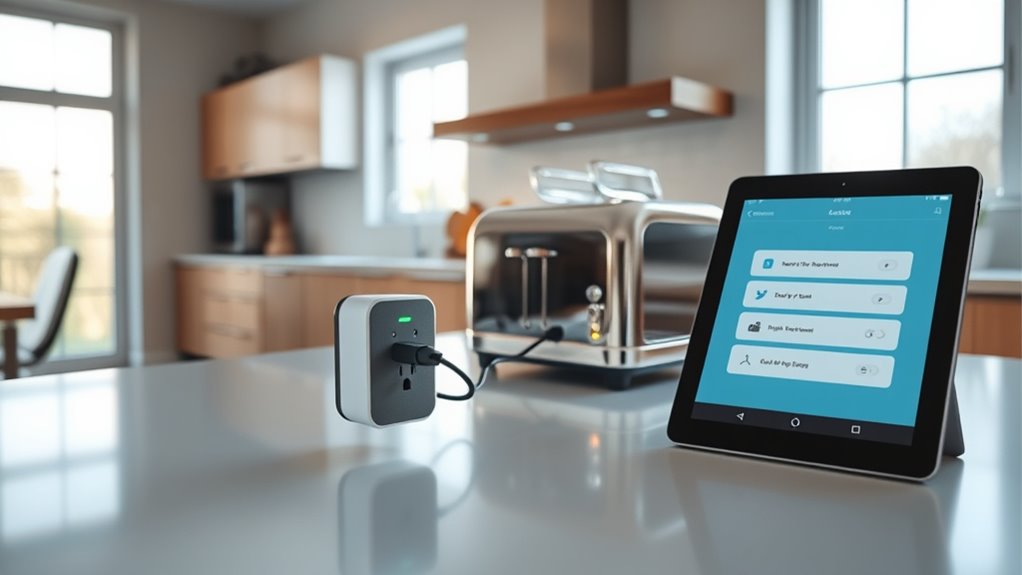
Retrofitting with smart plugs is perfect when you’re looking for a budget-friendly way to upgrade your existing appliances. If you need portable automation that can move with you around your home, smart plugs offer great flexibility. They’re also ideal for controlling non-compatible devices without the cost of replacing or upgrading your entire setup.
Budget-Friendly Appliance Upgrades
If you’re looking to upgrade your home appliances without breaking the bank, using smart plugs offers an excellent solution. They’re affordable, typically costing under $20, making them accessible for most budgets. With smart plugs, you can convert existing appliances into smart devices without replacing them. This retrofit allows you to control, schedule, and automate these appliances remotely via smartphone apps or voice commands. Since installation is straightforward—simply plug and connect—there’s no need for electrical skills or costly professional help. Smart plugs work with a wide range of appliances, from lamps to coffee makers, providing flexible, cost-effective upgrades. They’re perfect when you want basic smart features without the expense of buying new, fully integrated smart appliances.
Portable Smart Automation Needs
Many households value the flexibility to control their appliances from anywhere, especially when appliances are moved around or used in different locations. If you often relocate devices like lamps, fans, or space heaters, retrofitting with smart plugs makes sense. They allow you to manage multiple appliances without installing new wiring or replacing existing devices.
Consider these scenarios:
- You need remote control for appliances in different rooms or outdoor spaces.
- You want to schedule or automate devices that are frequently moved, like holiday lights or portable fans.
- You prefer quick, easy upgrades without investing in dedicated smart appliances, maintaining flexibility while enhancing control.
Smart plugs provide portable, adaptable solutions that match your dynamic household needs.
Non-Compatible Appliance Compatibility
Smart plugs are especially useful when dealing with household appliances that lack built-in connectivity features. If you want to add smart control without replacing your existing devices, retrofitting with a smart plug is ideal. This approach works well for simple appliances like lamps, fans, or coffee makers. However, some appliances are incompatible due to power requirements, size, or design. For example, high-wattage devices or built-in controls can’t be managed with a smart plug. Use this table to identify suitable appliances:
| Appliance Type | Compatibility Status | Notes |
|---|---|---|
| Standard lamps | Compatible | Easy to control remotely |
| Heaters | Usually compatible | Check wattage limits |
| Built-in ovens | Not compatible | Require integrated smart solutions |
When to Invest in Built-in Smart Appliances

Investing in built-in smart appliances makes sense when you’re seeking seamless integration and maximum functionality for your household. Consider upgrading when you want a streamlined setup that minimizes clutter and simplifies control.
Invest in built-in smart appliances for seamless integration and enhanced household functionality.
- Replacing aging appliances: If your current appliances are outdated, switching to smart versions offers enhanced features and energy efficiency all at once.
- Desiring advanced control: Built-in smart appliances often provide more sophisticated, appliance-specific options that go beyond basic on/off functions, giving you better customization.
- Long-term investment: When planning to stay in your home for years, the higher initial cost pays off through convenience, energy savings, and future-proofing your household’s technology.
These factors make built-in smart appliances a strategic choice for those prioritizing integrated, high-level smart home performance.
Frequently Asked Questions
Can Smart Plugs Handle High-Power Appliances Like Refrigerators or Ovens?
Smart plugs generally can’t handle high-power appliances like refrigerators or ovens because these devices draw more current than most smart plugs are rated for. Using a smart plug with such appliances might cause overheating, damage, or safety hazards. Instead, you should consider installing dedicated smart outlets designed for high-power loads or opting for built-in smart appliances that are engineered to handle these energy demands safely.
Are There Safety Concerns When Installing Smart Outlets in the Home?
Safety surprises can surface when installing smart outlets in your home. You might face faulty wiring, fire risks, or overloads if you don’t follow proper procedures. To avoid accidents, always turn off power before installation, verify compatibility with your electrical system, and consider professional help if needed. Properly installing smart outlets keeps your home safe and secure, letting you enjoy smart technology without worry or worry-free worry.
Do Smart Plugs Work With All Smart Home Ecosystems?
Smart plugs generally work with most major smart home ecosystems like Amazon Alexa, Google Assistant, and Apple HomeKit. You can control them via compatible apps or voice commands. However, compatibility varies by brand and model, so you should check the device specifications before purchasing. If you stick to popular brands and platforms, you’ll likely find a smart plug that seamlessly integrates into your existing smart home system.
How Do Energy Monitoring Features in Smart Plugs Compare to Built-In Solutions?
Energy monitoring features in smart plugs give you real-time data on electricity usage of connected devices, helping you identify inefficiencies and save costs. Built-in smart appliances often offer more detailed, appliance-specific energy insights, sometimes integrated with advanced management options. While smart plugs are affordable and easy to set up, built-in solutions typically provide deeper analysis and control, making them ideal if you want complete energy management for your appliances.
Is Professional Installation Necessary for Smart Plug Setup?
You don’t need professional installation for smart plugs. They’re designed to be plug-and-play, so you just insert them into an existing outlet and connect your appliance via a smartphone app. This simple process requires no electrical wiring or specialized skills. However, if you’re installing smart outlets directly into your wiring, then professional help might be necessary for safety and compliance. But for smart plugs, DIY is perfectly fine.
Conclusion
So, whether you choose a smart plug or a smart appliance, remember that upgrading your home tech is almost as easy as convincing yourself you need another gadget. Just don’t forget—sometimes a retrofit is perfect, and other times, you’re better off investing in a sleek, built-in smart device. After all, nothing screams “future-proof” like turning your home into a tech playground—until the next new thing comes along, of course.