Smart nutrition scanners can make tracking your food easier and help you make healthier choices, but their accuracy varies. They work by analyzing food images or barcodes, yet factors like food presentation and database quality can limit reliability. While they might boost your awareness and motivate better eating temporarily, long-term benefits are uncertain without lifestyle changes. To understand whether they’re truly worth it for your goals, consider the strengths and limitations, which you’ll discover as you explore further.
Key Takeaways
- They can improve dietary awareness and promote healthier choices with user-friendly, engaging interfaces.
- Accuracy varies due to database limitations and food presentation, potentially leading to misestimations.
- Long-term health benefits are uncertain; initial improvements may diminish without additional lifestyle changes.
- Development and maintenance costs are high, which may limit accessibility and consistent app quality.
- Incorporating behavior change strategies enhances effectiveness, making them more worthwhile as part of a comprehensive health plan.
Understanding How Nutrition Scanner Apps Work
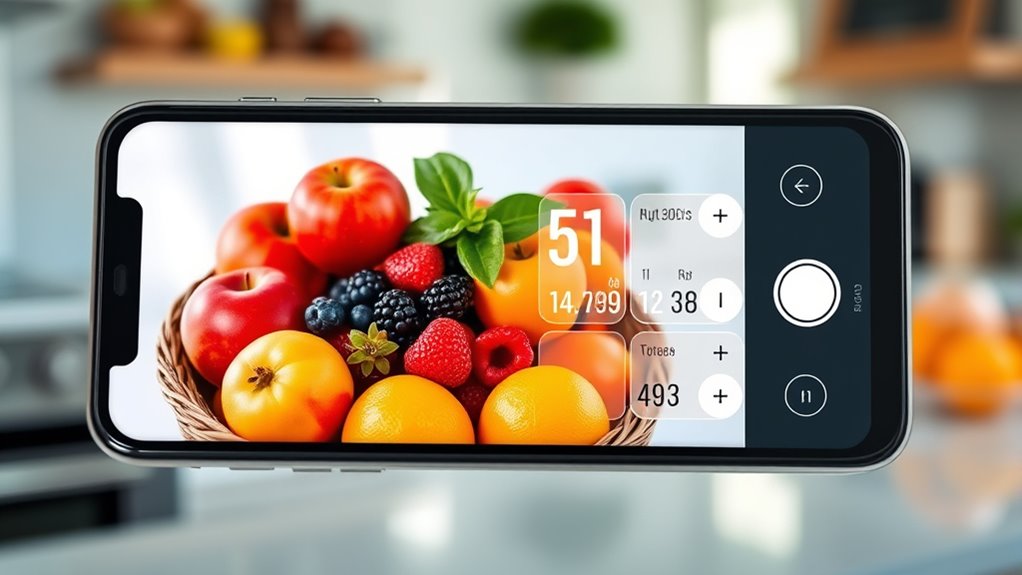
Nutrition scanner apps work by using your smartphone’s camera to capture images of food items, which are then analyzed by AI algorithms to identify the products and estimate their nutritional content. When you take a photo, the app’s AI compares the image against a database of food items, recognizing shapes, portion sizes, and textures. It then calculates calories, macronutrients, and other nutrients based on this information. Some apps allow you to scan barcodes for quick identification, while others rely solely on images. The system estimates portion sizes, which can influence accuracy. Although AI improves with more data, variability in food presentation and database completeness can affect results. Overall, these apps aim to provide a quick, user-friendly way to track your diet without manual entry. Many of these apps are built on European cloud infrastructure, ensuring secure data handling and privacy compliance. Additionally, ongoing advancements in food recognition technology continue to enhance the precision and usefulness of these tools, especially as AI-powered image analysis becomes more sophisticated. A robust food database is essential for improving the accuracy of food identification and nutrient estimation, making these apps more reliable for users.
Evaluating the Effectiveness in Promoting Healthier Choices
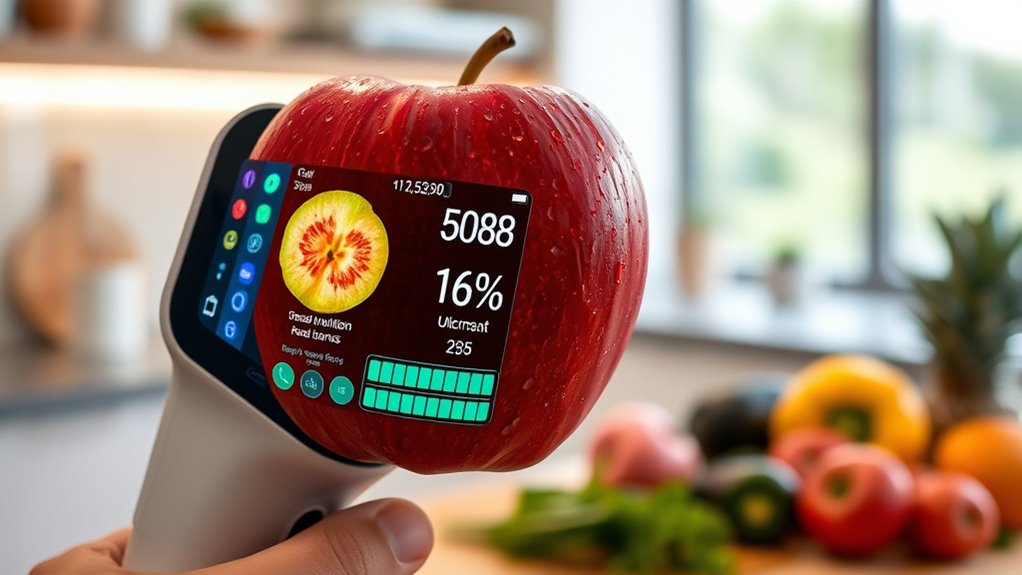
While AI-powered food recognition helps you track your intake more easily, its true value lies in whether it encourages healthier eating habits. Studies show mixed results; some users experience modest weight loss and better food choices, especially when they actively monitor their diet. High adherence to app use correlates with increased fruit and vegetable consumption and reduced intake of refined foods. However, many apps, including nutrition scanners, often lead to compensatory increases in fat and energy intake, diminishing their long-term impact. Incorporating behavior change techniques may enhance the effectiveness of these tools by promoting lasting habits. Although users find these tools engaging and helpful for raising awareness, sustained behavior change remains challenging. Additionally, incorporating Free Floating principles may help users achieve more natural and sustainable eating patterns over time. Overall, while nutrition scanners can support healthier choices, their effectiveness varies based on user engagement, app design, and individual motivation.
User Experience and Public Acceptance Insights
You’ll find that most users find the nutrition scanner app easy to navigate and engaging, making it more likely they’ll stick with it. Many also see the app as useful, especially when it involves children in meal choices, and are willing to recommend it to others. This positive perception suggests that user experience plays a key role in public acceptance of such technologies. Additionally, simple and practical solutions contribute to sustained user engagement and confidence in the app. Furthermore, user feedback highlights the importance of user-friendly interfaces to ensure ongoing adoption and trust. Clear instructions and intuitive design can further enhance user satisfaction and promote consistent use. Considering the user experience of the app can significantly impact its overall success and acceptance among diverse user groups. When the app incorporates privacy considerations that respect user data, it can further boost trust and user willingness to adopt new health technologies.
Ease of Use and Engagement
User experience plays a crucial role in the success of nutrition scanner apps, as their design and usability directly influence user engagement and adherence. When apps are intuitive, you’re more likely to stick with them and integrate healthy habits into your routine. Ease of use affects how quickly you can scan and interpret food data, making the process less frustrating. Engaging features can motivate you to explore more foods and stay committed. Factors that improve usability include:
- Clear visualizations like sugar cube depictions, which simplify complex information
- User-friendly interfaces that minimize steps needed for scanning
- Interactive elements, such as food-related household discussions, that boost motivation
- Incorporating AI-powered personalization enhances the relevance of nutrition insights, making the experience more tailored and engaging. Additionally, emphasizing user-centered design ensures the app caters effectively to diverse user needs, increasing overall satisfaction. Integrating smart home technology can facilitate seamless data collection and provide contextual insights, further improving user experience. A seamless experience encourages ongoing participation, making these tools more effective in fostering healthier choices. Moreover, data security protocols are vital to maintaining user trust and ensuring personal information remains protected.
Perceived Usefulness and Recommendations
Perceived usefulness substantially influences how favorably people view nutrition scanner apps and their likelihood to recommend them. When you find an app helpful, you’re more likely to share your positive experience with others, boosting its acceptance. Users appreciate features like visual sugar cubes and engaging feedback, which make tracking enjoyable and meaningful. Your recommendations can sway friends and family to try the app, expanding its reach. Additionally, understanding passive voice detection can help improve the clarity and impact of your reviews and suggestions. Your experience shapes public opinion, impacting its adoption and long-term success. Recognizing the role of curiosity in exploring new tools can further enhance your engagement and advocacy for such innovative health solutions. Moreover, user feedback plays a vital role in refining app features and ensuring they meet diverse user needs. Furthermore, emphasizing craftsmanship and attention to detail in the app’s design can foster greater trust and appreciation among users. Developing an understanding of user experience principles can also contribute to more meaningful and constructive feedback.
Accuracy, Reliability, and Limitations of Current Technology

Current nutrition scanner technologies demonstrate promising accuracy, particularly with advances in AI-based image recognition and calorie estimation methods. However, reliability varies due to several factors. You might encounter issues like inconsistent food database quality, which affects food identification and portion estimates. Additionally, variability in user input and food presentation can lead to inaccuracies. Here are some key limitations:
Nutrition scanners show promise but face challenges like database inconsistency and variable accuracy.
- AI models may misidentify foods or misjudge portion sizes, especially with complex or mixed dishes.
- Food image databases lack standardization, causing inconsistent results across different apps.
- Nutritional estimations often underestimate macronutrients like fat or overestimate calorie counts, reducing trustworthiness.
- Database consistency remains a challenge, impacting the overall accuracy of nutrition scanners. Moreover, the lack of standardized testing procedures makes it difficult to compare performance across different devices and apps.
- The absence of regulatory oversight further complicates assessing the reliability of these tools and ensuring quality control.
- Continuous technological development is essential to address these limitations and improve accuracy over time. In addition, ongoing research into algorithm transparency can help users better understand the estimations provided by these tools.
While progress is notable, these limitations highlight the need for continued development before relying solely on these tools for precise dietary assessment.
The Real Impact on Dietary Habits and Long-Term Health
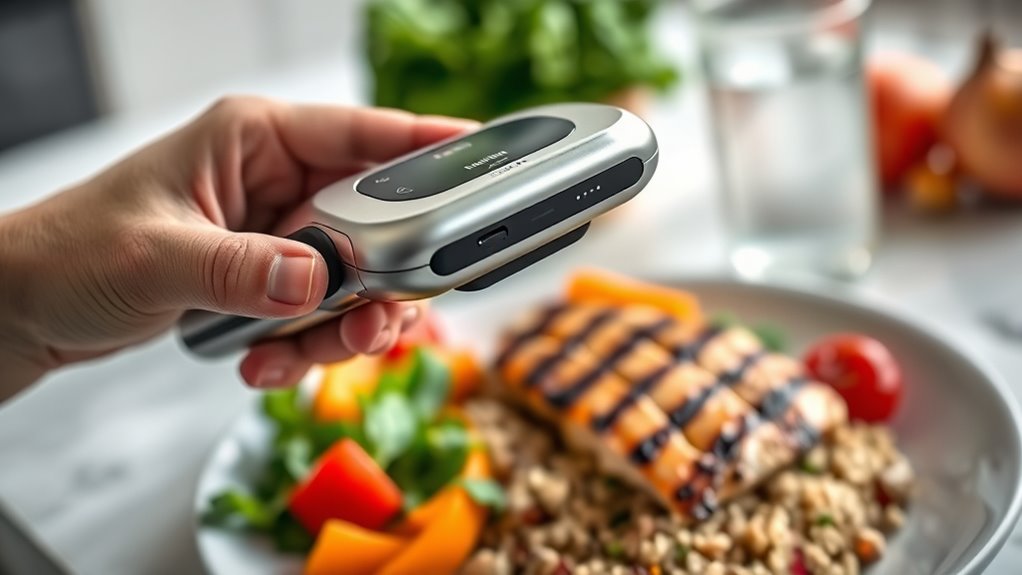
While nutrition scanner apps can raise awareness about food choices, their long-term impact on habits and health remains uncertain. You might start making healthier decisions, but sustaining those changes is less clear. Studies show that initial improvements, like reduced sugar intake, often fade over time, with compensatory increases in fats and calories. The table below highlights key factors:
| Effect | Short-term impact | Long-term sustainability |
|---|---|---|
| Dietary awareness | Increased recognition | Possible habituation |
| Behavior change | Moderate improvements | Often diminishes |
| Health outcomes | Minimal or temporary gains | Uncertain, requires ongoing commitment |
Ultimately, these apps can motivate but aren’t guaranteed to produce lasting health benefits without consistent effort and broader lifestyle changes. Additionally, some users may experience behavioral fatigue, reducing their motivation to maintain healthy habits over time. Incorporating comprehensive lifestyle strategies can enhance the effectiveness of such tools.
Considering the Cost and Future Developments in Nutrition Tech

Investing in nutrition scanner technology involves substantial costs for development, maintenance, and ongoing updates. These expenses can limit accessibility, especially for individual users and smaller organizations. As technology advances, costs may decrease, but initial investments remain high. Future developments promise more accurate AI-driven assessments, personalized nutrition plans, and integration with wearable devices. However, challenges include the need for extensive data, validation, and regulatory approval. Consider these factors:
- High initial R&D and infrastructure investments
- Continuous updates to improve AI accuracy and user experience
- Potential for personalized, real-time dietary recommendations
While costs are significant now, technological progress could lower prices and expand capabilities, making these tools more accessible and effective in the future. Your decision to adopt depends on balancing current expenses with anticipated benefits.
Frequently Asked Questions
Are Nutrition Scanner Apps Suitable for Children or Older Adults?
Nutrition scanner apps can be suitable for children and older adults if you guarantee they’re user-friendly and age-appropriate. Kids find visual aids like sugar cube images engaging, encouraging participation in healthier choices. For older adults, simple interfaces and reliable data are key. While these apps promote awareness and discussion about food, you should consider individual tech familiarity and supplement with professional guidance for ideal results.
How Do Privacy Concerns Affect the Use of Dietary Data?
Privacy concerns are like leaving your diary open on a park bench—you risk others reading your personal thoughts. When you use dietary apps, your data could be shared or misused, risking your identity or health info. Studies show over 80% of users find apps acceptable, but transparency about data handling is essential. Protect your info by choosing apps with clear privacy policies and secure data encryption, ensuring your nutritional journey stays personal.
Can These Apps Replace Professional Dietary Advice?
These apps can’t fully replace professional dietary advice because they lack personalized, in-depth analysis that a dietitian provides. While they increase awareness and promote healthier choices, they often underestimate or misinterpret certain foods and don’t account for individual health conditions. Use them as helpful tools, but for tailored guidance and complex nutritional needs, consulting a professional remains essential.
What Are the Environmental Impacts of Developing These Apps?
Developing these apps does have environmental impacts, primarily through resource consumption like energy for servers and data storage, which contributes to carbon emissions. You might think they’re eco-friendly since they promote healthier habits, but digital infrastructure requires power, often from fossil fuels. To minimize this, prioritize apps that use sustainable hosting and energy-efficient technologies. Remember, even digital tools have footprints; choosing greener options can make a real difference.
How Do Cultural Dietary Differences Influence App Effectiveness?
Cultural dietary differences considerably influence your app’s effectiveness. If the app doesn’t recognize traditional foods or cooking methods, it may misrepresent your intake, reducing accuracy and engagement. You might find it less useful or motivating if it lacks local food options. Customization that respects cultural practices encourages consistent use, improves dietary awareness, and helps you make healthier choices aligned with your cultural preferences.
Conclusion
In the end, whether a smart nutrition scanner is worth it depends on your goals and expectations. While these devices can be helpful tools, they aren’t a silver bullet for healthier eating. Remember, don’t judge a book by its cover—use the scanner as part of a balanced approach. If you stay realistic about its limitations and keep your eye on the prize, you’ll make smarter choices and stay on the right track.