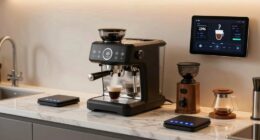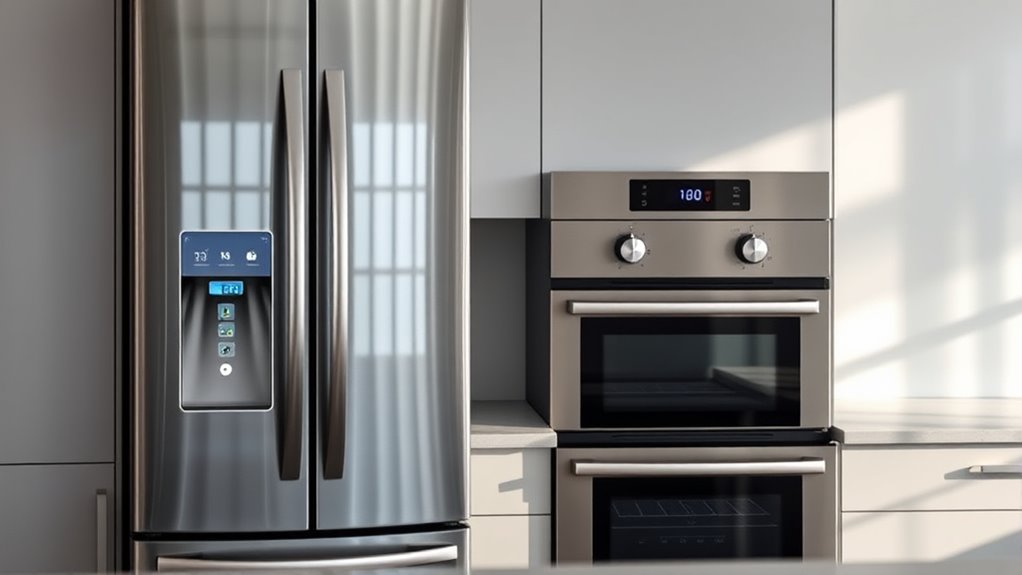
Smart appliances connect to the internet and integrate with home automation systems, offering remote control, automation, and energy monitoring. They learn your habits and can adjust their operations for efficiency and convenience. Digital appliances, on the other hand, mainly feature digital controls without connectivity or real-time learning. If you want to understand how these differences impact performance, security, and long-term value, exploring further will give you a clearer picture.
Key Takeaways
- Smart appliances connect to home networks for remote control, automation, and integration with voice assistants.
- Digital appliances primarily operate through traditional interfaces without internet connectivity or advanced automation features.
- Smart appliances continuously communicate for real-time updates, energy management, and predictive maintenance.
- Digital appliances lack connectivity, offering limited control and automation compared to smart devices.
- Smart appliances provide enhanced user interaction, customization, and sustainability features beyond standard digital appliances.

De'Longhi La Specialista Opera Espresso Machine – Cold Brew & Espresso Maker with Smart Tamping, Burr Grinder, Milk Steam Wand/Frother & 19-Bar Pressure – For Lattes & Cappuccinos
Perfect, consistent grinding with a built-in grinder with 15 precise settings that ensure optimal single or double dose...
As an affiliate, we earn on qualifying purchases.
Connectivity and Integration Features

Smart appliances stand out with their internet connectivity, allowing you to control them remotely via Wi-Fi or Bluetooth through smartphone apps. This feature means you can start your washer, adjust your oven settings, or check your fridge’s inventory from anywhere. They also connect seamlessly with voice assistants like Amazon Alexa and Google Assistant, enabling hands-free operation. Unlike digital appliances, which lack internet capabilities, smart models communicate constantly with your home network, enabling real-time updates and integration. This connectivity not only enhances convenience but also allows your appliances to work together within a smart home ecosystem. You can create routines, automate tasks, and monitor your appliances’ performance remotely, making everyday chores more efficient and integrated into your digital lifestyle. Understanding connectivity protocols plays a crucial role in ensuring reliable communication between your devices. Additionally, the interoperability standards facilitate smooth communication between different brands and models, enhancing your overall smart home experience. Incorporating network security measures is essential to protect your devices and personal data from potential cyber threats. Implementing secure Wi-Fi connections helps prevent unauthorized access and keeps your smart appliances safe from cyber attacks. Moreover, adopting energy-efficient communication protocols can further optimize device performance and reduce overall energy consumption.

Philips 5500 Series Fully Automatic Espresso Machine, LatteGo Milk System, Integrated Grinder, 20 Hot & Iced Coffee Pre-Sets, Quick Start, SilentBrew, 15-Bar Pressure, Black Chrome (EP5544/94)
20 PRESETS, ENDLESS COMBINATIONS: Hot drinks like espresso, coffee, lattes, and cappuccinos, to iced coffee, or simply hot...
As an affiliate, we earn on qualifying purchases.
Customization and Control Options
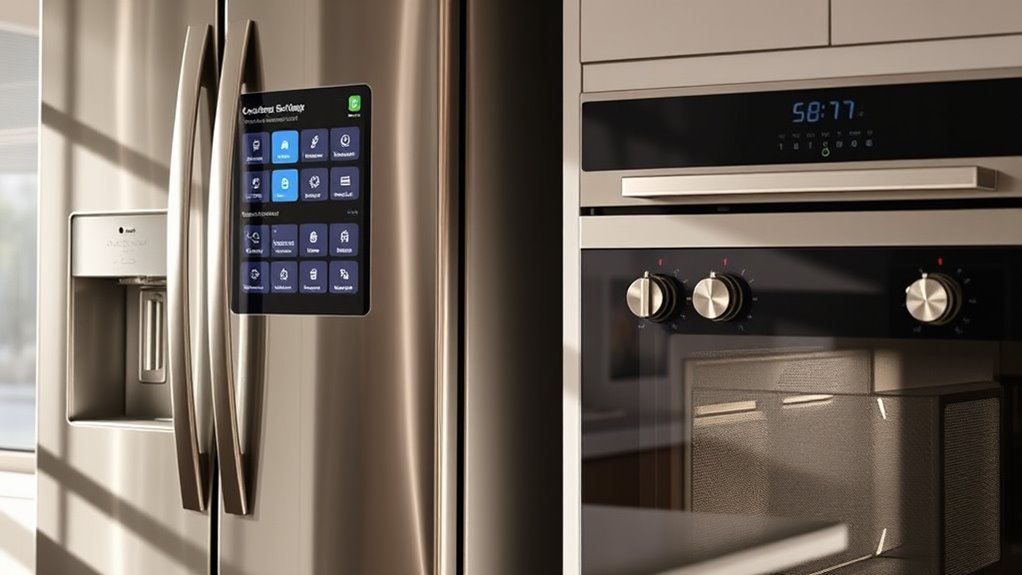
While connectivity allows for remote monitoring and integration, customization and control options determine how flexibly you can tailor your appliances to your needs. Smart appliances give you extensive control through mobile apps, letting you adjust settings, create routines, and receive alerts from anywhere. You can often set personalized preferences, such as wash cycles or temperature levels, and update features automatically. Voice assistant integration further enhances control, allowing hands-free operation. Additionally, local automation enables appliances to operate autonomously without relying solely on cloud services, enhancing privacy and responsiveness. This local control can be especially important for maintaining operation during internet outages. Furthermore, user preferences help ensure that appliances function in a way that fits your unique routines and habits, providing a more customized experience. The ability to adjust performance settings directly through physical controls is often limited compared to smart models but can be useful for quick, manual adjustments. Another aspect of customization involves setting energy-saving modes or specific cycles that suit your lifestyle, giving you more tailored options. Overall, smart appliances empower you with more options to fine-tune performance and fit your lifestyle.
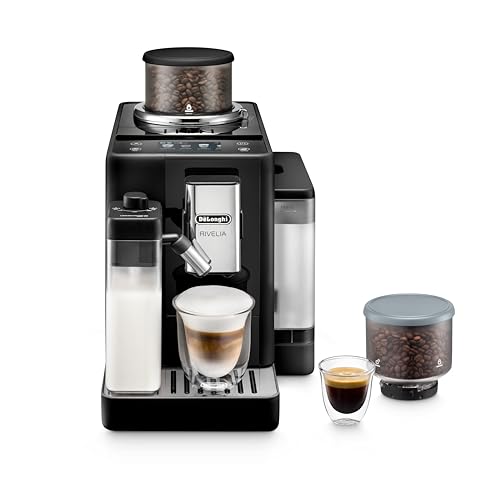
De'Longhi Rivelia Automatic Espresso Machine with Grinder & Milk Frother – All-in-One Coffee Maker, Hot & Iced Latte, Cappuccino, Bean Switch System, Burr Grinder, Compact Italian Design, Black
CRAFT COFFEE SHOP FAVORITES WITH JUST ONE TOUCH With one touch, grind, dose, brew, and froth your favorite...
As an affiliate, we earn on qualifying purchases.
Energy Efficiency and Monitoring Capabilities
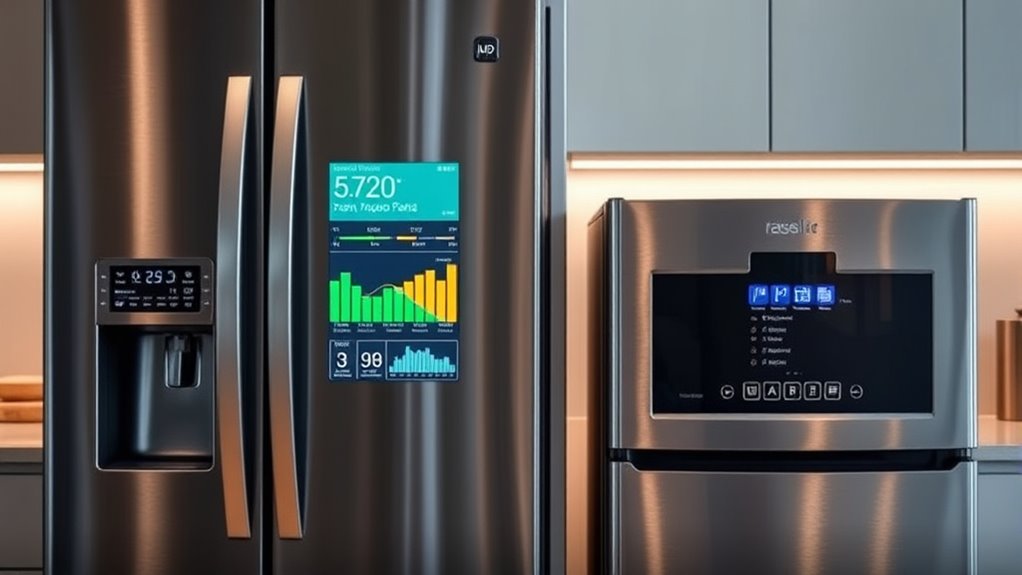
Energy efficiency and monitoring capabilities substantially distinguish smart appliances from their digital counterparts. With smart models, you can track energy consumption in real-time through mobile apps, helping you identify waste and make smarter choices. These appliances can optimize their operation by shifting tasks to off-peak hours, saving you money on utility bills. They often include detailed analytics, allowing you to review usage patterns over time. This capability supports creating a healthy indoor environment by reducing unnecessary energy use and minimizing emissions. Additionally, smart appliances often feature adaptive operation, which enables them to adjust their functioning based on your usage habits and environmental conditions. The integration of automated controls further enhances their efficiency by responding dynamically to changes in your household, ensuring optimal performance. Moreover, the ability to provide usage insights empowers users to make informed decisions about their energy consumption. Many smart appliances also incorporate predictive maintenance, which can alert you to potential issues before they lead to failure, further improving efficiency and longevity. Digital appliances, on the other hand, usually have basic energy-saving modes but lack detailed monitoring features. They operate with consistent energy use, providing no insights into how much energy they consume or how to improve efficiency. This limited visibility means you miss opportunities to reduce waste and lower costs, a gap smart appliances fill with their advanced monitoring and adaptive capabilities.
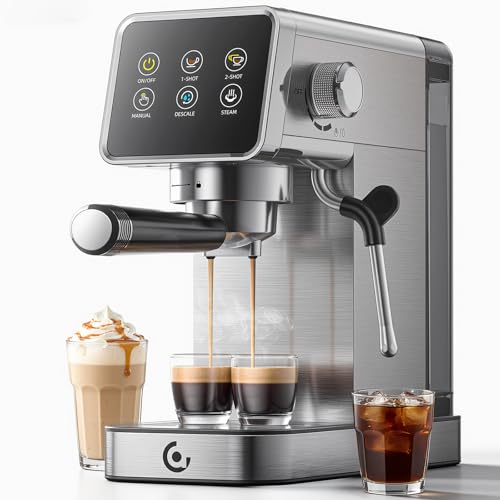
COFIBREWS 20 Bar Espresso Coffee Machine with LED Touch Screen, Espresso Maker with Self-Cleaning Function & Milk Frother, Compact Cappuccino & Latte Maker for Home and Office
INTUITIVE ESPRESSO MAKER WITH TOUCHSCREEN & SELF-CLEAN: This espresso machine features an LED touch screen for easy single/double...
As an affiliate, we earn on qualifying purchases.
Maintenance, Diagnostics, and Troubleshooting
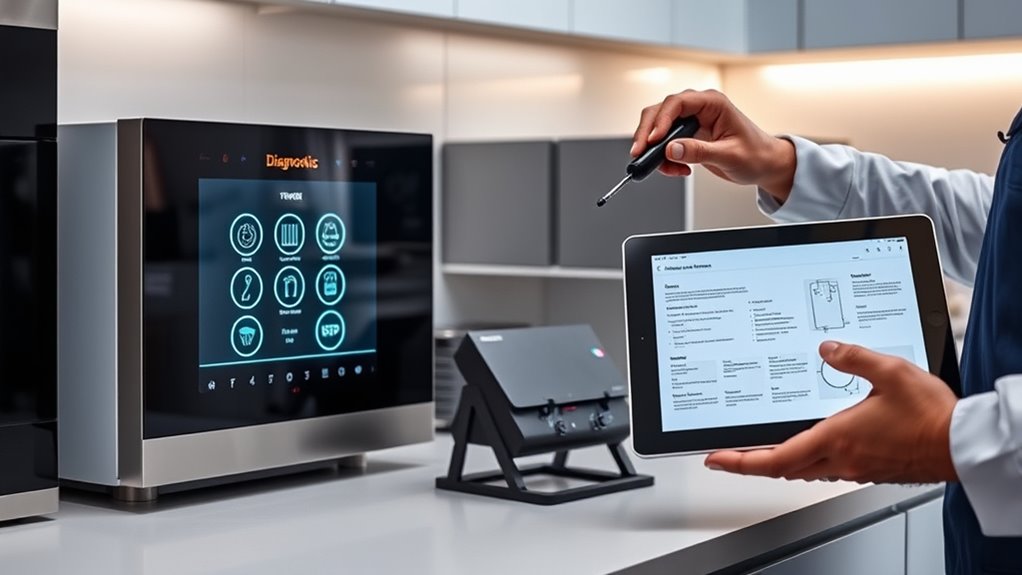
Maintenance, diagnostics, and troubleshooting differ substantially between smart and digital appliances. With smart models, you benefit from remote diagnostics that can detect issues early, often before they affect performance. They send automatic alerts for maintenance needs and error codes directly to your devices, making troubleshooting quicker. They also often include automated diagnostic tools that help identify problems more accurately. These tools utilize advanced sensors and algorithms to monitor appliance health in real-time, enhancing predictive maintenance. Additionally, remote monitoring capabilities allow you to oversee appliance performance from anywhere, further reducing downtime. Digital appliances, however, rely on manual checks and error codes displayed on physical panels, requiring you to interpret and resolve problems yourself. Consider these key points:
Smart appliances provide remote diagnostics and proactive alerts, making maintenance and troubleshooting faster and easier.
- Smart appliances identify issues remotely, reducing downtime.
- Digital appliances depend on manual troubleshooting with error codes.
- Smart models offer proactive maintenance alerts, simplifying upkeep.
- Digital appliances need your direct intervention for repairs.
- Navigation and mapping features in smart appliances help them diagnose issues more efficiently, leveraging integrated diagnostic tools to streamline repairs.
User Experience and Interaction

Smart appliances let you customize alerts for cycle completion, maintenance, and operational status, keeping you informed in real time. They also integrate with voice assistants, allowing you to control them hands-free as part of your smart home routines. Plus, they learn your usage habits to suggest ways to optimize performance and save energy. Additionally, at-home beauty devices can now be equipped with smart features that adapt to your skincare needs for more personalized results. Incorporating sustainable practices in their design and operation can further enhance efficiency and reduce environmental impact. Understanding home heating solutions can help you choose energy-efficient appliances that align with your household needs, promoting a more connected and eco-friendly household environment, making daily routines more convenient and mindful of sustainability. For example, energy management systems can analyze your appliance usage patterns and suggest improvements to reduce overall consumption, supporting eco-friendly living.
Customizable Alerts and Notifications
Customizable alerts and notifications substantially enhance user interaction with appliances by providing timely updates on cycle completion, maintenance needs, and operational issues. With smart appliances, you can tailor alerts to fit your routines, ensuring you’re always informed without checking manually. These notifications can help you:
- Receive instant alerts for cycle finishes or errors, avoiding unnecessary waits.
- Customize maintenance reminders based on usage patterns, preventing unexpected breakdowns.
- Set up alerts for energy consumption spikes, helping you optimize savings.
- Receive updates on software improvements or security patches, keeping your appliance up-to-date.
- Leverage connected home fitness features to integrate appliance notifications into your overall wellness and lifestyle routines. Additionally, integrating these alerts with smart home systems can provide a centralized control experience, enhancing convenience and automation.
This level of personalization ensures your appliances communicate in ways that suit your lifestyle, reducing frustration and increasing efficiency. You’re always in control, making your home smarter and more responsive to your needs.
Voice Control Integration
Voice control integration considerably enhances the user experience by allowing you to operate appliances hands-free through popular voice assistants like Amazon Alexa and Google Assistant. With this feature, you can start, stop, or modify cycles without touching a button or screen. It offers convenience, especially when your hands are full or you’re across the room. Voice commands can also help you quickly check appliance status, set timers, or receive updates on cycle completion. This seamless interaction makes managing your home appliances more intuitive and efficient. Additionally, voice control integrates into broader smart home routines, enabling you to automate tasks effortlessly. Overall, it transforms your interaction from manual controls to a more natural, responsive experience, making your smart home feel more responsive and connected.
Learning Usage Patterns
Since smart appliances can analyze your usage patterns, they adapt their operations to better suit your habits over time. This means your experience becomes more personalized and efficient. Here’s what they can do:
- Learn preferred settings, reducing the need for manual adjustments.
- Suggest ideal usage times based on your routines to save energy.
- Automate routine tasks by recognizing common behaviors and adjusting accordingly.
- Provide insights and tips to improve efficiency and extend appliance lifespan.
Cost, Repair, and Longevity Considerations
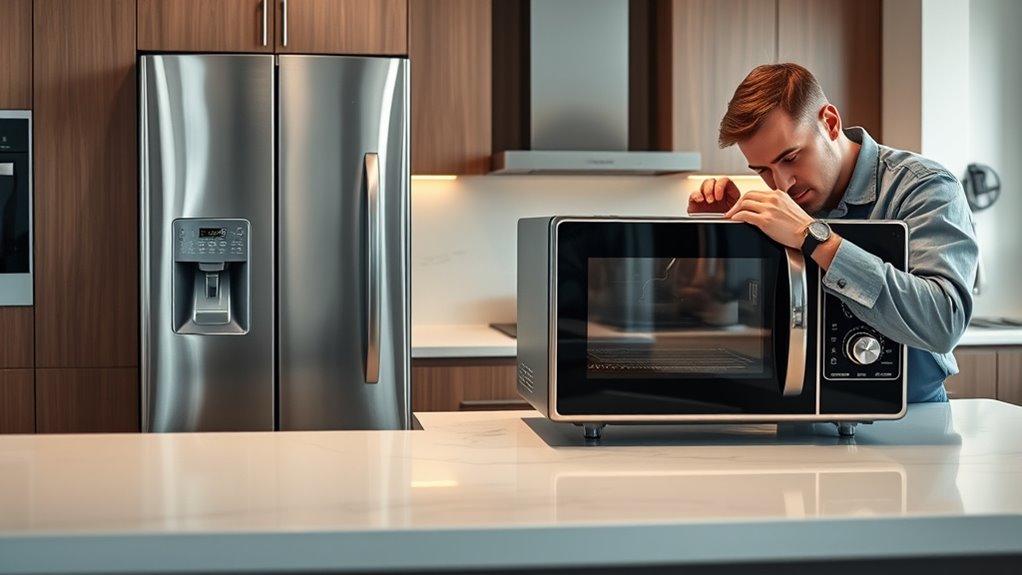
When comparing cost, repair, and longevity, smart appliances generally incur higher expenses due to their advanced digital components and diagnostic systems. You’ll pay 20-30% more for repairs because specialized parts and technicians are needed. Software issues often arise within the first 2-3 years, requiring updates or fixes. Digital appliances typically have repair costs similar to traditional models, with familiar failure patterns and established service networks. Both types usually last around 10 years with proper maintenance. While smart appliances might cost more upfront and in repairs, they offer benefits like remote diagnostics and energy management that can offset expenses over time. Digital appliances are more straightforward, with predictable repairs and comparable longevity, making them a reliable choice if cost and simplicity matter most.
Frequently Asked Questions
Can Digital Appliances Be Upgraded to Smart Appliances Later?
Yes, digital appliances can sometimes be upgraded to smart appliances later, but it depends on the specific model. You might be able to add a smart plug or hub to enable remote control and connectivity features. However, some appliances lack the necessary hardware or software support for full upgrades. Check the manufacturer’s compatibility and whether they offer upgrade kits or firmware updates to enhance your digital appliance’s capabilities.
How Secure Are Smart Appliances From Hacking or Data Breaches?
Smart appliances can be vulnerable to hacking and data breaches if their security isn’t properly managed. You should regularly update their software, use strong, unique passwords, and enable multi-factor authentication when possible. Avoid connecting them to unsecured networks, and keep your home Wi-Fi protected with robust encryption. Staying vigilant about firmware updates and monitoring device activity helps secure your smart appliances from potential cyber threats.
Do Smart Appliances Consume More Energy Than Digital Ones?
Think of smart appliances as energetic dancers that move in sync with your home’s rhythm, often consuming slightly more energy than digital ones. They constantly communicate with your network, run software updates, and optimize energy use based on real-time data, which can lead to higher energy consumption. However, this extra activity usually results in better overall efficiency and savings over time, thanks to their ability to adapt and manage energy more intelligently.
Are Smart Appliances Compatible With All Voice Assistants?
Yes, smart appliances are compatible with many voice assistants like Amazon Alexa and Google Assistant. You can easily control them hands-free, set routines, and get updates through these voice platforms. However, compatibility depends on the specific appliance and the voice assistant’s integration capabilities. Always check the product details to verify your appliance works seamlessly with your preferred voice assistant, making your smart home experience smoother and more convenient.
What Maintenance Do Smart Appliances Require Compared to Digital Models?
Ever wonder if your smart appliances need more upkeep? They do, but not in the traditional sense. You’ll receive remote diagnostic updates, maintenance reminders, and error notifications straight to your devices, making troubleshooting easier. Unlike digital models that rely on manual checks and error codes, smart appliances detect issues early and often need software updates. This proactive approach helps keep your appliances running smoothly, but it does mean staying on top of updates and alerts.
Conclusion
In the end, whether you choose smart or digital appliances, it’s fascinating how both bring convenience and efficiency into your home—sometimes even by coincidence. While smart appliances impress with their connectivity and customization, digital ones often surprise with simplicity and reliability. Your choice depends on what you value most: seamless integration or straightforward performance. Either way, embracing these technologies means your everyday routines become smarter, more efficient, and, quite unexpectedly, more enjoyable.