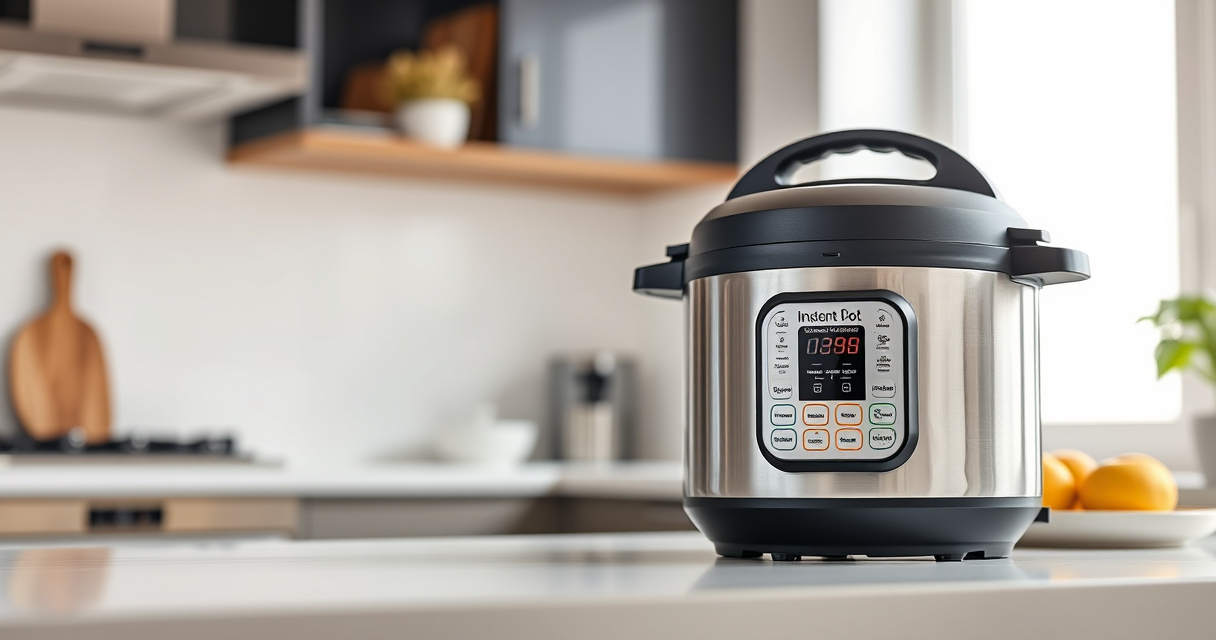

If your Instant Pot isn’t sealing properly, it can prevent pressure buildup and disrupt your cooking. Fortunately, most sealing issues are fixable with some basic troubleshooting. This guide will walk you through the common causes and practical solutions to get your Instant Pot sealing correctly and cooking efficiently.

Get kitchen gear delivered free — and shop member deals
- Fast, free delivery on millions of items
- Access to Prime Big Deal Days deals on October 6–7
- Prime Video, Amazon Music and more included
Whether you’re using the Instant Pot 4QT RIO Mini or other models, understanding the key factors affecting sealing can save you time and frustration. Follow these steps carefully for safe and successful pressure cooking.
Key Takeaways
| Check the Sealing Ring | A worn or misaligned sealing ring causes leaks. |
| Ensure Proper Lid Closure | Lid not locked securely prevents sealing. |
| Inspect the Lid and Valve | Debris or damage can block the vent or prevent sealing. |
| Replace Faulty Parts | A damaged sealing ring or float valve may need replacement. |
| Verify the Pot and Lid Compatibility | Using incompatible lids or pots can cause sealing issues. |
Step 1: Check the Sealing Ring
- Remove the lid and take out the sealing ring from the lid.
- Inspect the ring for cracks, tears, or warping.
- If damaged, replace it with a genuine Instant Pot sealing ring or compatible silicone gasket.
Step 2: Confirm Proper Lid Closure
- Align the lid correctly on the Instant Pot, ensuring the locking mechanism clicks into place.
- Turn the lid until it is securely locked and the float valve pops up slightly, indicating a seal.
Step 3: Clean and Inspect the Lid and Valve
- Wash the lid, sealing ring, and float valve thoroughly with warm, soapy water.
- Check for any debris, food particles, or damage blocking the vent or float valve.
- Ensure the steam release handle is in the ‘Sealing’ position.
Step 4: Test for Leaks and Replace Parts if Needed
- Fill the pot with a small amount of water, lock the lid, and set to pressure cook for a few minutes.
- Listen for hissing or observe if the float valve drops, indicating a leak.
- If leaks persist, replace the sealing ring or float valve using compatible accessories.
Additional Tips and Safety Warnings
- Always use genuine parts designed for your Instant Pot model.
- Ensure the lid, sealing ring, and vent are properly aligned before sealing.
- Do not force the lid closed; it should lock easily when correctly positioned.
- Regularly check and replace worn parts to maintain safety and performance.
The Products in This Guide

Instant Pot 4QT RIO Mini 7-in-1 Multi-Cooker
- ✔ Color: Rosewater
- ✔ Model: B0F9B923NC
- ✔ Warranty: 1 year

AOZITA Steamer Basket
- ✔ Color: Silver
- ✔ Size Compatibility: 6 & 8 Quart
- ✔ Package Includes: 2 Tiers
Instant Pot 4QT RIO Mini 7-in-1 Multi-Cooker
The Instant Pot 4QT RIO Mini 7-in-1 Multi-Cooker is a versatile appliance ideal for small households. Its anti-spin lid design helps prevent sealing issues, but regular maintenance of the sealing ring is key to ensuring proper pressure build-up.
Pros:
- 7-in-1 functionality
- Compact size
- Easy to clean
- Modern design
Cons:
- Limited capacity for larger families
- Sealing ring may wear over time
- Requires careful lid alignment
Best for: Small families, singles, students
Not ideal for: Cooking larger meals or multiple servings at once
Bottom line: Reliable, space-saving pressure cooker perfect for small kitchens.
AOZITA Steamer Basket
The AOZITA Steamer Basket adds extra functionality to your Instant Pot, allowing you to steam, cook multiple foods simultaneously, and strain with ease. It’s especially useful when troubleshooting sealing issues, as it helps prevent food buildup around the lid.
Pros:
- Two-tier design
- Stainless steel construction
- Compatible with 6 & 8 qt models
- Easy to clean
Cons:
- Adds to overall size
- Requires extra storage
- May need adjustments for tight fits
Best for: Steaming vegetables, seafood, or multiple dishes
Not ideal for: For very small kitchens with limited storage
Bottom line: A versatile accessory that boosts your Instant Pot’s cooking options.
Frequently Asked Questions
Why is my Instant Pot not sealing after replacing the sealing ring?
Ensure the sealing ring is correctly installed and not damaged. Also, confirm the lid is properly aligned and fully locked.
Can I use a silicone sealing ring instead of the original?
Yes, food-grade silicone rings compatible with your model can be used, but ensure they are the correct size and designed for pressure sealing.
What should I do if the float valve is stuck down?
Clean the float valve thoroughly and check for debris or damage. If it remains stuck, replacing the float valve or sealing ring may be necessary.
How often should I replace the sealing ring?
It’s recommended to replace the sealing ring every 12-18 months or sooner if you notice cracks, tears, or persistent leaks.
Mastering Your Instant Pot Sealing for Perfect Results
Proper sealing is essential for safe and effective pressure cooking. By regularly inspecting and maintaining your sealing ring, ensuring correct lid alignment, and cleaning the lid and vent, you can prevent most sealing issues. With these troubleshooting steps, you’ll enjoy cooking with your Instant Pot without leaks or frustrations, making every meal a success.
Affiliate disclosure: As an Amazon Associate we earn from qualifying purchases. Prices and availability are accurate as of the time of publishing.
Halloween Picks
halloween
As an affiliate, we earn on qualifying purchases.