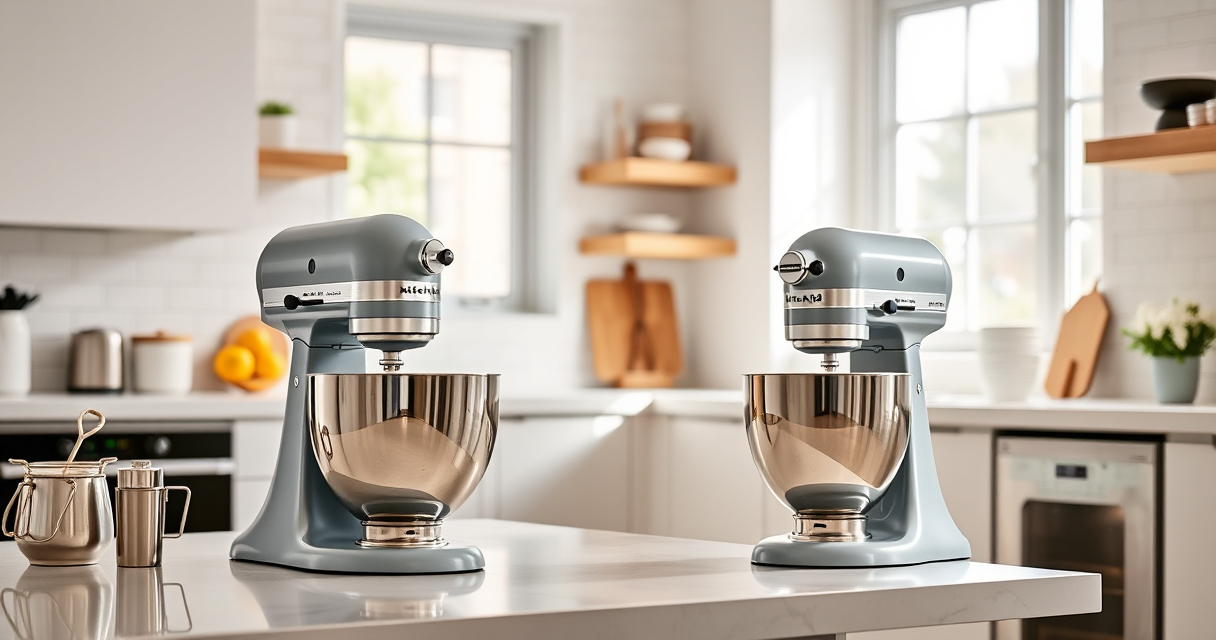

If your KitchenAid Artisan Series 5 Quart Tilt Head Stand Mixer is making a grinding noise, it can be concerning and disruptive to your baking. Often, this issue is caused by debris, worn parts, or lubrication problems. Fortunately, many fixes are simple and safe to perform at home with basic tools. This guide will walk you through the necessary steps to diagnose and resolve the grinding sound, helping you restore smooth operation.

Get kitchen gear delivered free — and shop member deals
- Fast, free delivery on millions of items
- Access to Prime Big Deal Days deals on October 6–7
- Prime Video, Amazon Music and more included
Key Takeaways
| Quick Fixes | Cleaning and lubrication often resolve grinding noises. |
| Worn Parts | Worn gears or bearings may need replacement. |
| Safety First | Always unplug before working on your mixer. |
| Professional Help | Seek expert repair if you’re unsure or uncomfortable. |
Step 1: Unplug and Remove Attachments
- Ensure the mixer is unplugged from the power outlet for safety.
- Remove any attached accessories, such as the flat beater, dough hook, or wire whip.
Step 2: Inspect the Mixer’s Gears and Moving Parts
Remove the head of the mixer by tilting it back. Examine the gears, drive shaft, and the gear case for any visible debris, dust, or damage. Clean any buildup with a soft brush or cloth.
Step 3: Lubricate the Gears and Bearings
- Use a food-grade lubricant suitable for small gears, such as a silicone-based spray.
- Apply a small amount to the gear teeth and moving parts. Avoid over-lubricating to prevent excess buildup.
- Reassemble the mixer and test for noise.
Step 4: Check for Worn or Damaged Parts
If the grinding persists, inspect the internal gears and bearings for wear or damage. Worn gears may produce grinding noise and may need replacement. Consult the user manual or contact a professional for part replacement.
Tips and Warnings
- Tip: Regular cleaning and lubrication can prevent grinding noises.
- Warning: Never operate the mixer with the head raised or while the motor is exposed.
- Use only manufacturer-approved lubricants and replacement parts.
The Products in This Guide
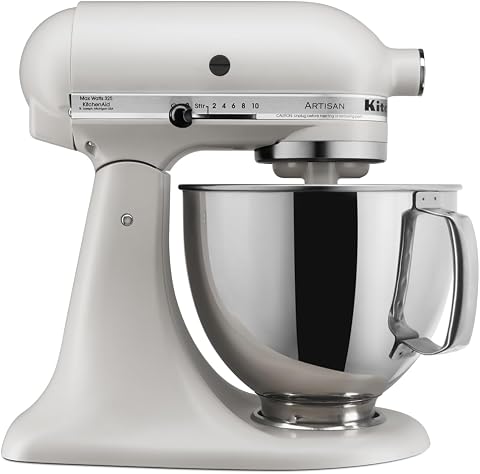
KitchenAid Artisan Series 5 Quart Tilt Head Stand Mixer
- ✔ Weight: 26 pounds
- ✔ Dimensions: 14 x 8.5 x 14 inches
- ✔ Warranty: 1 year

KitchenAid Stand Mixer Attachment
- ✔ Weight: 4.5 pounds
- ✔ Dimensions: 7 x 6 x 10 inches
- ✔ Warranty: NA
KitchenAid Artisan Series 5 Quart Tilt Head Stand Mixer
The KitchenAid Artisan Series 5 Quart Tilt Head Stand Mixer is built with durable metal construction and features 59 touchpoints for thorough mixing. Its tilt-head design allows easy access for cleaning and attachment changes, making it a popular choice for both home bakers and enthusiasts.
Pros:
- Robust metal build
- Easy tilt-head access
- Multiple speed settings
- Large capacity bowl
Cons:
- Heavy to move
- Can be noisy if not maintained
- Price may be high for some
Best for: Heavy-duty mixing, baking large batches, versatile kitchen tasks
Not ideal for: Small kitchens with limited space, users seeking lightweight options
Bottom line: A durable, versatile mixer that’s ideal for frequent baking needs.
KitchenAid Stand Mixer Attachment
The KitchenAid Metal Food Grinder attachment connects easily to your mixer and offers multiple grinding plates and sausage stuffer tubes, ideal for fresh meats and vegetables.
Pros:
- Versatile grinding options
- Large food tray
- Easy to clean
- Sturdy metal construction
Cons:
- Additional cost
- Requires cleaning after use
- Attachment sold separately
Best for: Grinding meats, vegetables, and making sausages
Not ideal for: Light-duty tasks or infrequent use
Bottom line: A robust attachment for fresh, homemade ground foods.
Frequently Asked Questions
Can I fix the grinding noise myself?
Yes, many issues like debris buildup or lubrication problems can be addressed at home by following safe troubleshooting steps.
When should I replace internal gears?
If cleaning and lubrication don’t resolve the noise and you notice visible wear or damage, replacing gears is advisable. Consult a repair professional for this.
Is it safe to operate the mixer after fixing it?
Always ensure the mixer is unplugged during inspection and repairs. Test it carefully after reassembly to confirm the noise is gone before regular use.
What type of lubricant should I use?
Use a food-grade silicone-based lubricant suitable for small gear mechanisms to prevent contamination and ensure safety.
Keep Your Mixer Running Smoothly
By regularly inspecting, cleaning, and lubricating your KitchenAid Artisan mixer, you can prevent grinding noises and extend its lifespan. If issues persist despite troubleshooting, professional repairs or part replacements may be necessary. With proper care, your mixer will continue to serve you well for years to come.
Affiliate disclosure: As an Amazon Associate we earn from qualifying purchases. Prices and availability are accurate as of the time of publishing.
Halloween Picks
halloween
As an affiliate, we earn on qualifying purchases.