
TL;DR

Get kitchen gear delivered free with Prime
- Fast, free delivery on millions of items
- Prime Video, Amazon Music and more included
- Member-only deals all year
Tetelas, a traditional Mexican snack, is being recognized as part of cultural heritage. Authorities and culinary experts are working to preserve and promote this dish across Mexico.
Mexican authorities and culinary organizations have officially recognized tetelas as a cultural heritage dish, aiming to preserve and promote this traditional snack nationwide. The initiative highlights the dish’s cultural significance and seeks to support local artisans and communities.
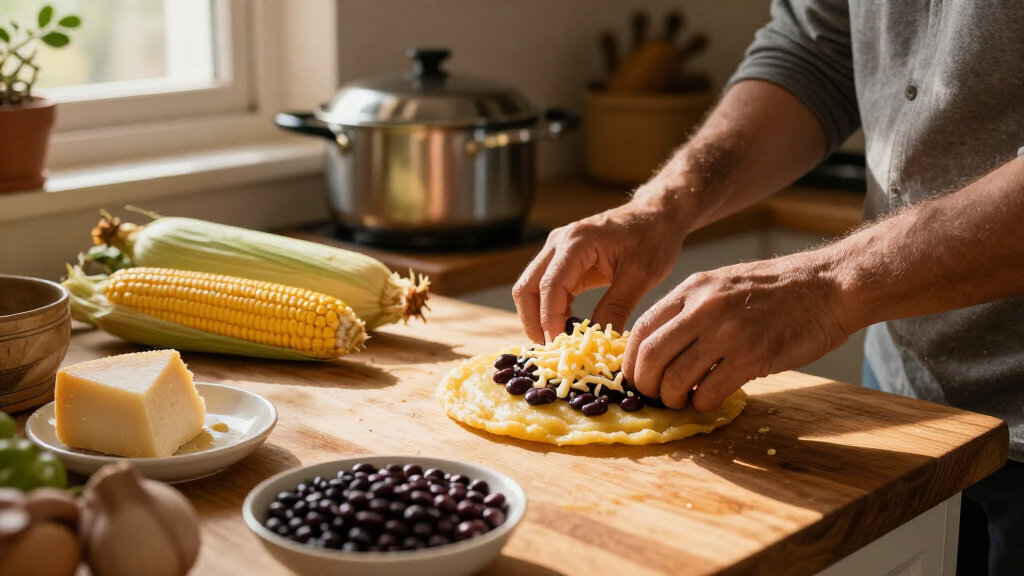
According to the Mexican Ministry of Culture, tetelas are now classified as part of the country’s intangible cultural heritage. The recognition comes after years of efforts by local chefs, cultural advocates, and community groups to preserve the traditional recipe and preparation methods. The dish, originating from the state of Tlaxcala, is a triangular-shaped maize tortilla filled with various ingredients such as cheese, beans, or meats.
Officials stated that this designation aims to boost local tourism and support small-scale producers who specialize in making authentic tetelas. The initiative also includes plans for cultural festivals, cooking workshops, and educational campaigns to raise awareness about the dish’s history and significance.
Why Recognizing Tetelas as Cultural Heritage Matters
This recognition elevates tetelas from a regional delicacy to a nationally celebrated cultural symbol, helping to preserve indigenous culinary traditions amid modern influences. It can foster local economic development by promoting artisanal food production and cultural tourism. Additionally, it underscores the importance of safeguarding intangible cultural heritage, especially traditional recipes that are at risk of fading.
As an affiliate, we earn on qualifying purchases.
Historical and Cultural Roots of Tetelas
Tetelas have been a staple in Mexican cuisine for centuries, particularly in Tlaxcala and neighboring regions. Traditionally prepared by hand, the dish reflects indigenous culinary practices that utilize maize as a fundamental ingredient. Over recent decades, however, commercialization and globalization have threatened the traditional methods and local knowledge associated with making authentic tetelas.
The recent official recognition follows a broader national effort to catalog and protect Mexico’s diverse culinary heritage, which includes other dishes such as mole, tamales, and pozole. Local communities have long fought to keep their culinary traditions alive in the face of economic and cultural pressures.
“Recognizing tetelas as a cultural heritage dish is a vital step in preserving our indigenous culinary identity and supporting local artisans.”
— Maria Lopez, cultural advocate
As an affiliate, we earn on qualifying purchases.
Unanswered Questions About Implementation and Impact
It is not yet clear how the recognition will be implemented in practice, such as funding for cultural festivals or support for artisans. Details on how widespread the promotion efforts will be and whether this will lead to commercial commercialization or preservation of traditional methods remain uncertain. Additionally, the long-term impact on local communities and whether the recognition will translate into tangible economic benefits are still developing.
traditional Mexican cooking utensils
As an affiliate, we earn on qualifying purchases.
As an affiliate, we earn on qualifying purchases.
Next Steps for Cultural Preservation and Promotion
Authorities plan to launch a series of cultural events, including festivals and workshops, over the coming months to promote tetelas. Local artisans and culinary schools are expected to participate in training programs aimed at preserving traditional techniques. Further, the government may establish official certification for authentic tetelas to distinguish them from commercialized versions. Monitoring and evaluation of the initiative’s impact will likely follow in the next year.
As an affiliate, we earn on qualifying purchases.
Key Questions
What are tetelas?
Tetelas are traditional Mexican maize tortillas, typically triangular in shape, filled with ingredients such as cheese, beans, or meats. They originate from Tlaxcala and are a staple in regional cuisine.
Why was tetelas recognized as a cultural heritage dish?
The recognition aims to preserve the traditional recipe and cultural significance of tetelas, supporting local artisans and safeguarding indigenous culinary practices.
How will this recognition affect local communities?
It is expected to boost cultural tourism, provide economic support to artisans, and encourage the continuation of traditional cooking methods.
What are the challenges in preserving tetelas?
Challenges include commercialization, loss of traditional techniques, and economic pressures that threaten to diminish local culinary knowledge.
What are the next steps for this initiative?
Upcoming plans include cultural festivals, workshops, and possible certification programs to promote authentic tetelas and support local producers.
Source: rss
Halloween Picks
halloween
As an affiliate, we earn on qualifying purchases.