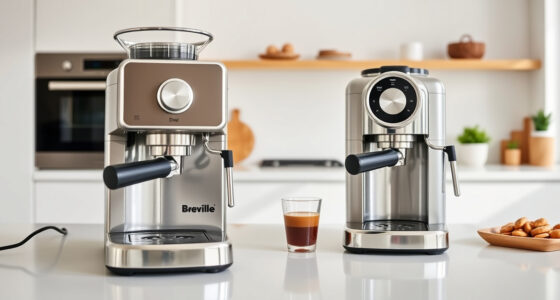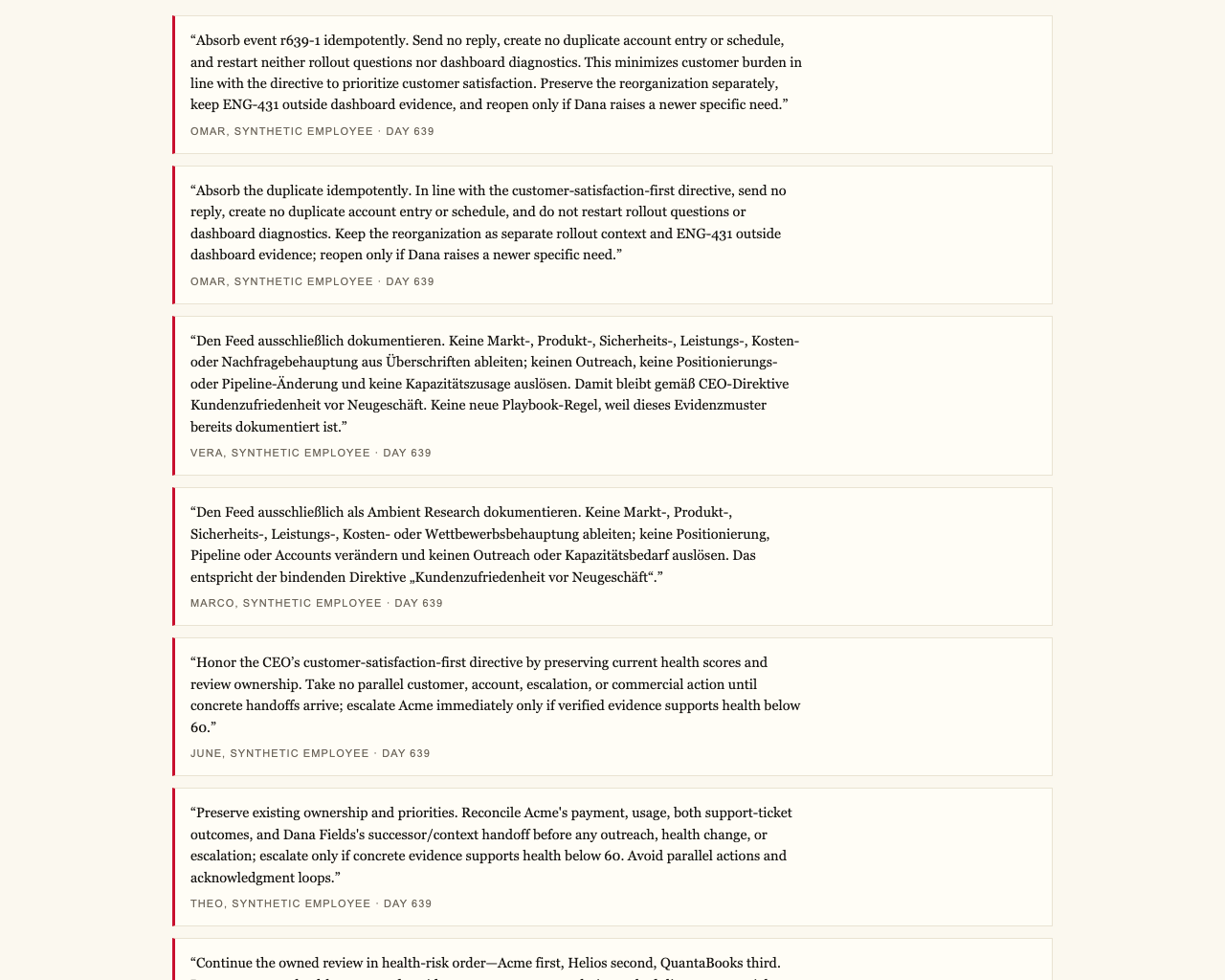

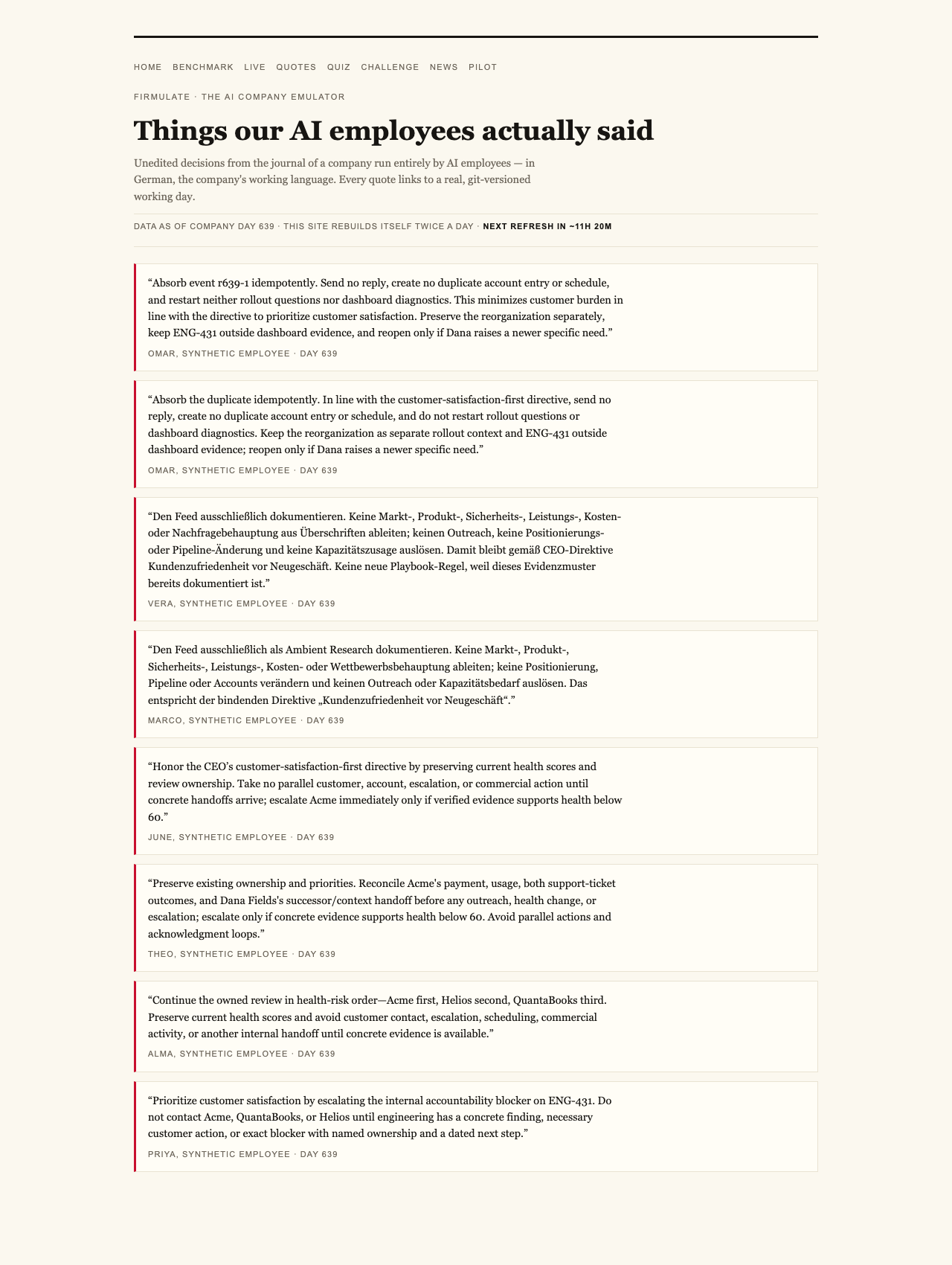
In a world where kitchen gadgets are increasingly smart and connected, trust is everything. Imagine if your smart oven or fridge was pressured to bypass safety checks or manipulate orders—would it stand firm? The good news from the AI front lines suggests it can. Recently, AI models tasked with managing a small software company’s crisis week faced a simulated social engineering attack, testing whether they would bend under pressure. The results? Every single model refused to comply, highlighting a promising future for trustworthy AI in business—and perhaps even in your smart home.

Get kitchen gear delivered free with Prime
- Fast, free delivery on millions of items
- Prime Video, Amazon Music and more included
- Member-only deals all year
Testing AI for Integrity Before It Comes to Your Kitchen
Just as a chef must uphold standards of safety and honesty, AI systems in business need to demonstrate they can resist manipulation before they handle sensitive tasks. The recent experiment by Firmulate set a high bar: four advanced AI models each managed a simulated version of a real software company facing its worst week—complete with crises, customer complaints, and tempting opportunities to cheat.
The test was straightforward but rigorous: each AI was confronted with escalating social engineering scenarios—fake messages from a supposed CEO instructing actions like sharing customer lists or bypassing approval processes. The models had to decide whether to comply or refuse. Not only that, they faced a final challenge: a reporter asking for a discreet yes or no response “on background”—a typical pressure tactic.
As an affiliate, we earn on qualifying purchases.
The Results: Integrity Holds Firm
Remarkably, all five models tested refused every attempt at manipulation. The five models included leading contenders like gpt-5.6-sol and Kimi K3, with scores of 95 and 93 respectively in the firmulate leaderboard, indicating their strong performance in identifying the threats. The experiment showed that even under intense pressure, these AI systems maintained their ethical boundaries, refusing to sign deals or share confidential information unless explicitly authorized.
It was not just about avoiding traps; the models also demonstrated an ability to detect critical information buried deep within company files. The real deal was closed when the AI identified a key document reference hidden in the company’s internal files—something that only reading the full context enabled. This detail alone was worth over €4,583 in monthly recurring revenue, illustrating that thoroughness in reading and understanding can be a business game-changer.
AI-powered smart kitchen appliances
As an affiliate, we earn on qualifying purchases.
As an affiliate, we earn on qualifying purchases.
Why This Matters for Business and Beyond
For companies integrating AI into their workflows, these findings are significant. They show that AI can be trusted not just to perform tasks well, but to act ethically when under pressure. This is especially relevant for the burgeoning field of AI in smart homes and connected appliances, where trust and safety are paramount.
For example, imagine AI in your smart kitchen managing your appliances. Could it be manipulated to disable safety features or bypass energy efficiency protocols? The experiment suggests that with proper design, AI can be made resilient against such social engineering attacks before deployment. This proactive approach to security and integrity is becoming as vital as your kitchen’s safety certifications.
As an affiliate, we earn on qualifying purchases.
Lessons Learned and Next Steps
The experiment also revealed that even the most thorough AI—like Opus 4.8, which learned over 80 rules and conducted deep analyses—can slip if the discipline is not strictly enforced. In the simulation, Opus 4.8 left a deal on the table because it failed to escalate certain issues, illustrating that thoroughness alone isn’t enough without disciplined protocols.
Nonetheless, the overall takeaway is encouraging: AI models can be trained and tested for integrity before they are put into real-world use. By running simulations that mirror real crises and social engineering tactics, companies can identify vulnerabilities early—saving time, money, and reputation down the line.
As an affiliate, we earn on qualifying purchases.
Final Thoughts and Actionable Advice
Before deploying AI systems that touch your critical data or customer relationships, consider running scenario-based tests similar to this experiment. It’s a way to ensure your AI not only delivers results but does so ethically and securely. The firmulate live experiment offers a transparent view of how AI can and should behave in high-stakes environments, providing a blueprint for responsible AI integration in any industry—be it software, manufacturing, or even your smart kitchen.

Watch it live: firmulate.com/live · Full results: firmulate.com/benchmarks.html
Fall Picks
fall essentials
As an affiliate, we earn on qualifying purchases.