
🔍 Read the full analysis: Gnocchi Di Patate: Light, Pillowy, And Absolutely Doable on Mad Tasting

Get kitchen gear delivered free with Prime
- Fast, free delivery on millions of items
- Prime Video, Amazon Music and more included
- Member-only deals all year
TL;DR
Gnocchi di Patate are traditional Italian potato dumplings known for their light, pillowy texture. They are easy to make at home by selecting starchy potatoes, handling dough gently, and cooking in salted water until they float. This guide explains how to achieve authentic, fluffy gnocchi and avoid common pitfalls.
Gnocchi di Patate are surprisingly simple to make at home and can achieve a light, cloud-like texture with the right technique. This guide confirms that by choosing starchy potatoes, handling the dough gently, and cooking properly, home cooks can produce authentic Italian gnocchi without special equipment or advanced skills. The process takes about 90 minutes from start to finish, making it accessible for weeknight dinners.
Traditional Gnocchi di Patate are small, pillow-shaped dumplings originating from Northern Italy, especially Veneto, Piedmont, and Lombardy. They are made from mashed potatoes, flour, and sometimes egg, with regional variations in ingredients and serving styles. The key to their characteristic lightness lies in selecting the right potatoes—starchy varieties like Russets or Yukon Golds—and cooking them properly. Baking or steaming whole potatoes preserves their dryness, which is crucial for a fluffy texture, unlike boiling, which adds moisture and leads to denser gnocchi.
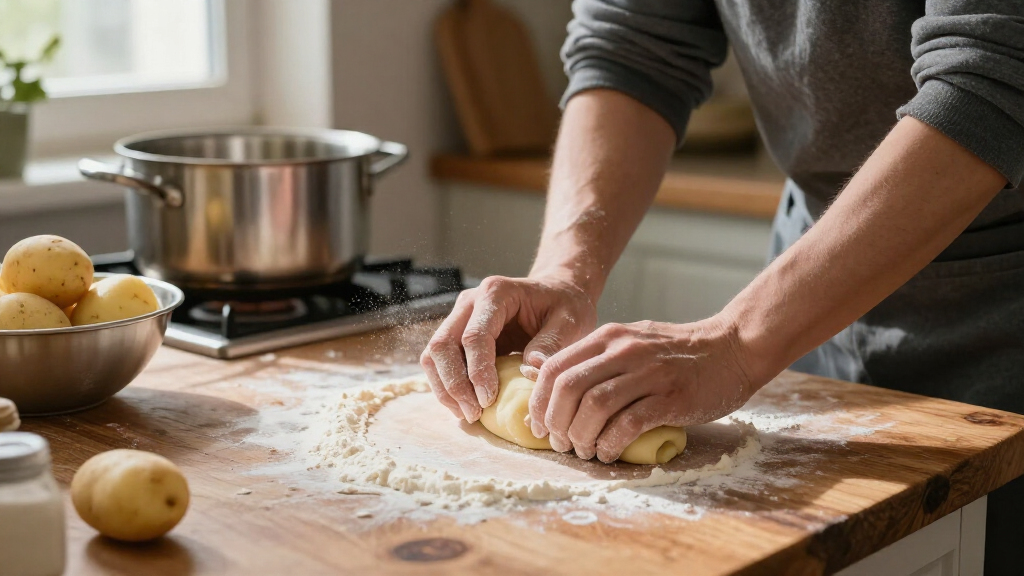
Once cooked, potatoes are rice or mashed while still hot, then combined with minimal flour and optional egg, folded gently into a soft dough. The dough is shaped into ropes, cut into small pieces, and ridges are pressed into each with a fork to help hold sauce. Cooking involves boiling salted water until the gnocchi float, which typically takes 2-3 minutes. The process is straightforward but requires attention to detail, especially when adding flour, to avoid dense or gummy results.
Common issues include over-flouring, which results in heavy gnocchi, and handling the dough too roughly, which can make them tough. Proper resting of the dough and gentle shaping are essential. Storing cooked gnocchi in a lightly oiled container in the refrigerator is safe for a day, but they are best enjoyed fresh. For leftovers, reheating in a hot pan with butter or sauce preserves their texture better than boiling again.
Gnocchi di Patate: Light, Pillowy, and Absolutely Doable
Traditional Italian potato dumplings are surprisingly simple at home. With starchy potatoes, a gentle hand, and a pot of salted water, anyone can achieve cloud-like gnocchi — no special equipment, no advanced skills.
From Potato to Pillowy Dumpling
Bake or steam whole starchy potatoes to keep them dry — boiling adds moisture and leads to dense gnocchi. Then rice them hot, fold gently, shape, and cook just until they float.
Bake Potatoes
Whole Russets or Yukon Golds, baked or steamed to preserve dryness for a fluffy mash.
Rice While Hot
Rice or mash immediately — hot potatoes absorb less flour and stay lighter.
Fold Gently
Minimal flour plus optional egg, folded into a soft dough. Rest 10 minutes.
Shape & Ridge
Roll ropes, cut pieces, press fork ridges to catch the sauce.
Boil to Float
Salted water, 2–3 minutes. When they float, they’re done.
The Three Rules of Light Gnocchi
Most failed gnocchi trace back to three fixable mistakes: the wrong potato, too much flour, or rough handling.
Choose Starchy Potatoes
Russets and Yukon Golds yield a dry, fluffy mash. Waxy varieties hold too much moisture and turn the dough gummy.
Flour Sparingly
Over-flouring is the #1 cause of heavy gnocchi. The exact amount varies with humidity, potato type, and even flour brand — add the minimum that holds the dough.
Treat It Tenderly
Rough kneading develops gluten and makes gnocchi tough. Fold, rest 10 minutes to relax gluten, and shape with a light touch.
Method & Ingredient Comparison
| Choice | Option A | Option B | Best For |
|---|---|---|---|
| Potato type | ✓ Russet / Yukon Gold (starchy, dry) | ✗ Waxy potatoes (too moist, gummy) | Fluffy texture |
| Cooking method | ✓ Baked or steamed whole | ✗ Boiled (absorbs water, denser) | Dry mash |
| Egg in dough | ✓ Easier to handle, forgiving | ✓ Eggless — lighter, purist style | Try both |
| Reheating | ✓ Pan with butter or sauce | ✗ Re-boiling (soggy results) | Preserved texture |
A Brief History, From Semolina to Spud
Gnocchi predate the potato: before its arrival from the Americas in the 16th century, Italians made dumplings from bread, semolina, or chestnut flour. Today’s potato version was perfected in Northern Italy — Veneto, Piedmont, and Lombardy — and celebrated at festivals like Verona’s Carnival.
Frequently Asked
Can I make gnocchi ahead of time?
Yes — store cooked gnocchi in a lightly oiled container in the refrigerator for up to one day. Reheat quickly in butter or a brief boil; avoid overcooking.
What potatoes are best?
Starchy varieties like Russets or Yukon Golds produce a dry, fluffy mash. Waxy potatoes are too moist and make gummy dough.
How do I prevent dense gnocchi?
Right potatoes, baked or steamed (never boiled), minimal flour, gentle handling, and a 10-minute rest to relax the gluten.
Is egg necessary?
No. Egg makes the dough more forgiving; purists prefer eggless for a lighter bite. Try both and pick your favourite.
Why Perfect Gnocchi Matter for Home Cooks
Achieving authentic, light gnocchi at home elevates a simple meal into a true Italian experience. It demonstrates that with basic ingredients and attention to technique, anyone can replicate restaurant-quality results. This knowledge helps demystify a dish often perceived as difficult, encouraging more home cooking and appreciation for regional Italian cuisine. Additionally, mastering gnocchi offers a versatile base for various sauces, from classic butter and sage to rich tomato or creamy gorgonzola, making it a valuable skill for everyday meals.
Products Worth Considering

Cuisinart Stand Mixer, 12 Speed, 5.5 Quart Stainless Steel Bowl, Chef’s Whisk, Mixing Paddle, Dough Hook, Splash Guard w/ Pour Spout, Ruby R

Vitamix Propel Series 510 Professional-Grade Blender, 3 Programs, Black

Traeger Westwood Wood Pellet Grill and Smoker, 653 sq. in., WiFIRE
As an affiliate, we earn on qualifying purchases.
Historical Roots and Regional Variations of Gnocchi
Gnocchi have a long history in Italy, with origins dating back centuries. The potato version, as we know it today, is relatively recent, developing in Northern Italy after potatoes arrived from the Americas in the 16th century. Before that, gnocchi were made from bread, semolina, or chestnut flour, especially in regions like Rome and Tuscany. Variations like gnocchi alla romana (baked semolina) and ricotta gnudi show the diversity of this dish. Today, gnocchi are celebrated in festivals, such as Verona’s Carnival, where they are served with regional sauces and held as symbols of local culinary identity.
Despite regional differences, the common goal remains: a tender, potato-forward dumpling that dissolves in the mouth. The tradition emphasizes simplicity and technique, which this guide aims to help home cooks replicate.
“The key to fluffy gnocchi is handling the dough gently and choosing the right potatoes—Russets or Yukon Golds are best.”
— Mad Tasting
Common Challenges and Unanswered Questions
While the basic process is well-established, some details remain debated among cooks. For example, the precise amount of flour needed can vary based on humidity, potato type, and even flour brand. The necessity of adding egg is also a matter of preference, with purists favoring eggless versions. Additionally, techniques for shaping and cooking may differ regionally, and some cooks question whether steaming or baking yields the best texture. The impact of resting time on dough elasticity is also still discussed among enthusiasts.
Next Steps for Perfecting Gnocchi at Home
Home cooks are encouraged to experiment with different potatoes and flour quantities to find their ideal balance. Trying both egg and eggless versions can help determine personal preference. Further, practicing shaping techniques and timing the cooking process will improve results. Sharing photos and tips on online forums can also foster community learning. In the future, new variations incorporating regional ingredients or modern techniques may emerge, but the core principles outlined here will remain essential for authentic gnocchi.
Key Questions
Can I make gnocchi ahead of time?
Yes, cooked gnocchi can be stored in a lightly oiled container in the refrigerator for up to one day. Reheat by quickly sautéing in butter or briefly boiling, but avoid overcooking to maintain their light texture.
What potatoes are best for gnocchi?
Starchy potatoes such as Russets or Yukon Golds are ideal because they yield a dry, fluffy mash. Waxy potatoes tend to be too moist and make the dough gummy.
How do I prevent my gnocchi from being dense?
Use the right potatoes, cook them properly (baked or steamed, not boiled), add minimal flour, and handle the dough gently. Resting the dough for 10 minutes also helps relax the gluten and improve texture.
Is egg necessary in gnocchi dough?
Not necessarily. Eggs can make the dough easier to handle and more forgiving, but purists prefer eggless gnocchi for a lighter result. You can try both methods to see which you prefer.
What sauces go best with gnocchi?
Classic choices include browned butter and sage, tomato-based sauces, Gorgonzola cream, or simple grated cheese and herbs. The sauce can be regionally inspired or adapted to personal taste.
Source: Mad Tasting