
TL;DR

Get kitchen gear delivered free with Prime
- Fast, free delivery on millions of items
- Prime Video, Amazon Music and more included
- Member-only deals all year
The Salmonella Javiana outbreak linked to imported jalapeños from Sinaloa has been declared over by the CDC. No new cases have been reported, and investigations have concluded. The outbreak affected 488 people across 34 states, but no fatalities occurred.
The Centers for Disease Control and Prevention (CDC) has officially declared the end of the Salmonella Javiana outbreak linked to imported jalapeño peppers from Sinaloa, Mexico. The outbreak, which sickened 488 people across 34 states, prompted widespread recalls and investigations. With no new cases reported and the outbreak containment confirmed, public health officials consider the incident resolved.
The outbreak began with illnesses reported between June 16 and August 26, 2026, peaking on July 5 with 38 cases in a single day. The CDC traced the source to fresh jalapeños distributed by Coast Citrus Distributors, originating from Sinaloa, Mexico. The company issued a recall of its entire jalapeño inventory, and downstream food establishments, including multiple Mexican-style restaurant chains, removed products containing the peppers.
According to the CDC, 65 patients were hospitalized, but there were no reported deaths. Patients ranged from less than 1 year old to 85, with a median age of 31. The CDC estimates that for every confirmed case, approximately 29 cases go undetected due to underreporting, testing limitations, and mild symptoms. Investigations included traceback analysis and environmental sampling, which did not conclusively identify the contamination route, as FDA environmental tests were negative for Salmonella.
Particularly notable were outbreaks at 31 Chipotle locations across seven states and five QDOBA outlets in two states. Most affected individuals reported eating at these restaurants during their illness window, with common ingredients including jalapeños, red onion, cilantro, and avocado. The FDA inspected a Mexican distributor linked to the outbreak but did not find contaminated jalapeños during sampling, though investigations remain ongoing.
Why the Outbreak Closure Matters for Public Health
The end of this Salmonella outbreak is significant because it indicates that the source has been effectively contained, reducing the risk of further infections. The incident highlights the importance of food safety protocols in the supply chain, especially for imported produce. Although no deaths occurred, the hospitalization of 65 individuals underscores the potential severity of Salmonella infections. The outbreak also prompted widespread recalls and reinforced the need for rigorous inspections of imported foods to prevent similar incidents in the future.
Public health authorities emphasize that consumers should remain vigilant about food safety practices, especially when consuming fresh produce from regions with complex supply chains. The outbreak’s resolution may serve as a case study for improving detection and response strategies for future outbreaks involving imported foods.
food safety gloves for handling produce
As an affiliate, we earn on qualifying purchases.
As an affiliate, we earn on qualifying purchases.
Background on the Salmonella Outbreak and Response Efforts
The Salmonella Javiana outbreak was first identified in June 2026, with cases reported across multiple states. Epidemiological investigations linked the infections to imported jalapeño peppers from Sinaloa, Mexico, distributed by Coast Citrus Distributors. The outbreak prompted a nationwide recall of the peppers and products containing them, as well as inspections by the FDA.
During the investigation, health officials identified multiple restaurant chains, including Chipotle and QDOBA, as common points where infected individuals had eaten. The CDC and FDA conducted environmental inspections and sampling, but no contamination was found during the FDA’s environmental testing. Despite this, the epidemiological evidence strongly suggested jalapeños as the source, leading to recalls and public advisories.
Throughout the summer, public health agencies coordinated efforts to trace the supply chain, inform consumers, and prevent further cases. The outbreak peaked in early July, but no new cases have been reported since late August, leading to the official declaration of its end in October.
“Environmental samples collected during inspections tested negative for Salmonella, but the epidemiological evidence remains strong that the jalapeños were the source.”
— FDA inspector involved in the investigation
salmonella testing kits for home use
As an affiliate, we earn on qualifying purchases.
As an affiliate, we earn on qualifying purchases.
Remaining Questions About the Source and Contamination Route
While the outbreak has been declared over, some uncertainties remain. The FDA’s environmental testing did not detect Salmonella in the sampled environments, leaving questions about the exact contamination route. It is also unclear whether specific handling practices or cross-contamination contributed to the outbreak, as investigations are ongoing.
Additionally, the extent of undetected cases remains unknown, although the CDC estimates a high underreporting rate. The precise source of contamination within the supply chain has not been definitively identified, and further analysis may be needed to prevent future incidents.
As an affiliate, we earn on qualifying purchases.
Next Steps for Food Safety and Outbreak Prevention
Public health agencies will continue monitoring for new cases and reviewing supply chain safety protocols. The CDC and FDA may conduct follow-up inspections and sampling to ensure no residual contamination persists. Food producers and distributors are expected to review and enhance safety measures, especially for imported produce.
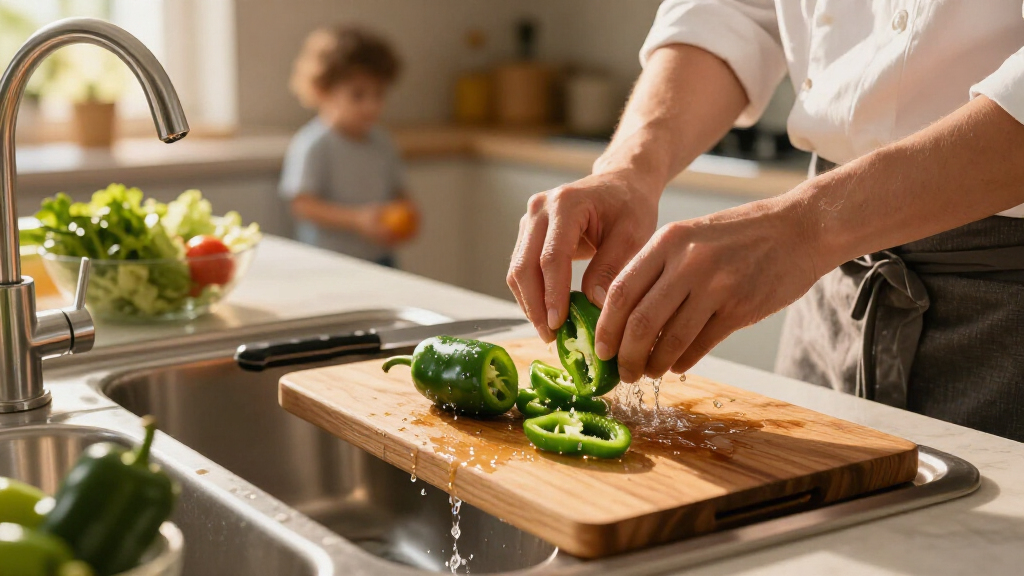
Consumers are advised to continue practicing good food hygiene, such as washing fresh produce thoroughly. Officials also recommend that food businesses maintain rigorous safety standards and traceability procedures to quickly identify potential contamination sources in future outbreaks.
Research and policy efforts may focus on improving detection methods for Salmonella in imported foods and strengthening international cooperation to prevent contamination at the source.
As an affiliate, we earn on qualifying purchases.
Key Questions
Is the outbreak officially over?
Yes, the CDC announced on October 2, 2026, that the outbreak has been contained and no new cases are being reported.
Are imported jalapeños still safe to eat?
Yes, the recall has been lifted, and authorities have confirmed that the contaminated batch has been removed from the supply chain. Consumers should still follow standard food safety practices.
Could there be undetected cases?
Yes, the CDC estimates that many cases go undetected due to mild symptoms or lack of testing, but the outbreak is considered under control based on current data.
What measures are being taken to prevent future outbreaks?
Food safety authorities are reviewing supply chain protocols, increasing inspections of imported produce, and promoting better traceability and testing methods to catch contamination early.
Will there be further investigations?
Yes, ongoing investigations aim to better understand the contamination route and improve detection methods, though no new findings are expected to change the current status of the outbreak.
Source: rss
Fall Picks
fall essentials
As an affiliate, we earn on qualifying purchases.