
TL;DR

Get kitchen gear delivered free with Prime
- Fast, free delivery on millions of items
- Prime Video, Amazon Music and more included
- Member-only deals all year
Hunker reported on a TikTok project by creator Dee Williamson that turns two Bundt pans into a decorative pumpkin using Plaster of Paris, paint and craft supplies. The article describes the process, but does not provide details such as the creator’s exact measurements, project cost or drying times.
Hunker reported on a fall-decor project by TikTok creator Dee Williamson, who repurposes two old Bundt pans to make a decorative pumpkin from Plaster of Paris. The project offers a way to reuse worn bakeware as seasonal decor, though the report does not give a full cost, exact measurements or a guaranteed completion time.
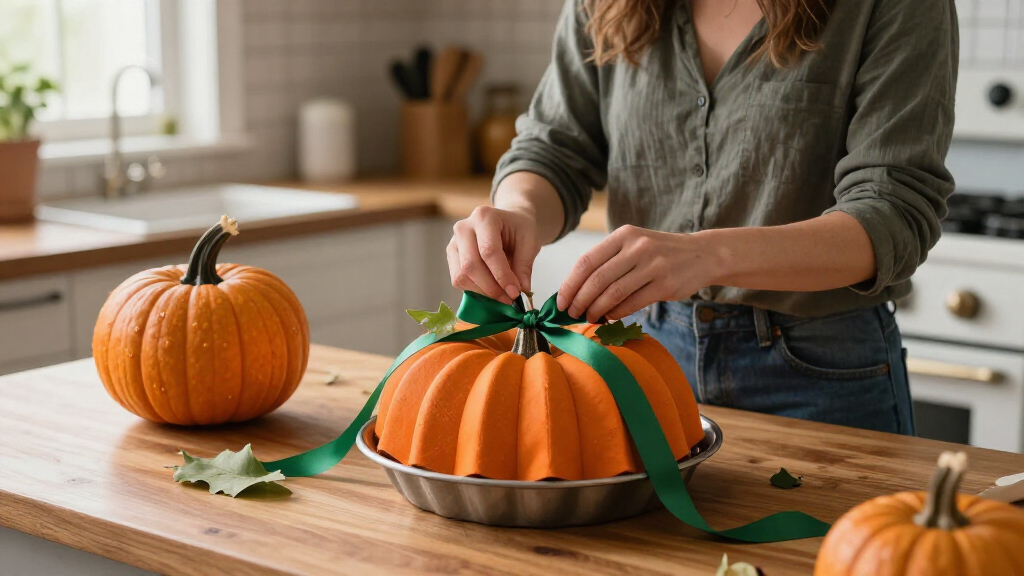
The method uses two Bundt pans of the same size as molds. According to Hunker, the pans are coated with cooking spray and wiped down before Plaster of Paris is mixed according to its package instructions. The plaster is poured to an equal depth in each pan; the molds are shaken gently to help reduce air bubbles, then left to dry.
After the plaster pieces have dried, the creator joins their flat sides with E6000 craft adhesive and leaves the bond to set overnight. The seam around the joined pieces is filled with spackle, then sealed. Once prepared, the pumpkin is painted with chalk paint and sealed again after the paint dries. Hunker describes this as a multi-stage project, rather than a quick craft with a stated, fixed turnaround.
For finishing touches, Williamson uses cinnamon sticks and moss to suggest a stem and vines. The report says her palette combines orange, white and sage green, while other colors and decorative details are optional. It also mentions plaid paper or fabric applied with Mod Podge as a way to add texture, or embellishments for a more decorative finish.
Old Bakeware Gets a Seasonal Use
The idea may appeal to people who have unused or worn Bundt pans and want to make fall decor without buying a ready-made ornament. Reusing an item already at home can limit the need for a new decorative base, although the project still calls for several supplies, including plaster, adhesive, paint, spackle and sealer. Hunker does not report the total material cost, so it cannot be described as cheaper than store-bought decor in every case.
The method also allows for personalized colors and finishes. That flexibility is useful for readers matching an existing seasonal display, but the result depends on careful preparation and enough drying time between steps. The report cautions that the work can be messy; it does not provide tested guidance on durability, display conditions or whether the finished item can be used for any food-related purpose. It is presented as decoration, not bakeware.
Products Worth Considering

Le Creuset Enamemed Cast Iron Oval Dutch Oven, 5 qt., White/Crucible

De'Longhi Rivelia Fully Automatic Espresso Machine with Milk Frother, White

Instant Pot Vortex Plus 10-Quart 7-in-1 Air Fryer Oven
As an affiliate, we earn on qualifying purchases.
How the Bundt Shape Forms a Pumpkin
A Bundt pan’s ring-shaped interior gives the molded plaster a form that can read as a pumpkin once two pieces are joined. In the project described by Hunker, two matching molds create the body; the joined edges form a seam that is later covered with spackle. Paint and a small stem-like accent complete the seasonal appearance.
The report credits the idea to Dee Williamson’s TikTok account and identifies the project as a reuse of old bakeware. Hunker’s article also notes that it may involve affiliate commissions on purchases made through links. The supplied report does not include a direct interview with Williamson or a link to a specific video, so details here reflect Hunker’s written description rather than an independently tested tutorial.
Project Details Not Supplied
The source does not state how much plaster is needed, how long the plaster or paint takes to dry, or the precise quantities of spackle and adhesive. It advises following the Plaster of Paris package instructions but does not identify a particular product or provide a measured recipe. The project’s total cost and the creator’s own time investment are also not reported.
Hunker says to use E6000 and describes leaving the joined pieces overnight, but does not specify ventilation or other handling precautions for the adhesive and plaster products. Readers should follow the safety and use directions on each product label. The source does not say whether the finished decoration is intended for outdoor display or how well it holds up over time.
Prepare Supplies Before Starting
Anyone following the project can begin by checking that the two Bundt pans match in size and gathering the materials listed in the report: Plaster of Paris, chalk paint and brushes, E6000 craft adhesive, mixing containers, stirring sticks, a sanding brush, spackle and sealer. Before mixing, read the plaster instructions and set up a work area suitable for a potentially messy craft.
The process then proceeds in stages: cast and dry both halves, join them and allow the adhesive to set overnight, fill and seal the seam, paint, and apply a final sealer after the paint dries. Cinnamon sticks and moss are optional finishing details. The source does not give a single total drying schedule, so the project’s completion time will depend on the product instructions and conditions; no further update or follow-up from the creator is provided in the material.
Key Questions
What materials does the Bundt pan pumpkin project use?
Hunker lists two same-size Bundt pans, Plaster of Paris, chalk paint, brushes, E6000 craft adhesive, mixing containers, stirring sticks, a sanding brush, spackle and sealer. Cooking spray is used to prepare the pans, and cinnamon sticks and moss can be added as decorative details.
How are the two plaster pieces assembled?
The report says to let both plaster casts dry, then join their flat sides with E6000 craft adhesive and leave them to set overnight. Spackle is applied around the seam before the pumpkin is sealed and painted.
How long does it take to make the decoration?
The source does not provide a total completion time or exact drying times. It specifies an overnight wait after gluing, while plaster, paint and sealer need to dry according to their product directions.
Can the pumpkin be decorated in other colors?
Yes. Hunker says Williamson uses orange, white and sage green, but the colors are optional. The report also suggests textured plaid paper or fabric and additional decorative embellishments.
Is the finished pumpkin usable as bakeware?
No such use is described. The plaster pieces, adhesive, paint and sealer are presented as materials for a decorative craft, not for cooking or food contact.
Source: hunker.com