Using low-temperature cooking methods like sous vide and slow cookers helps you retain more flavor because they gently break down proteins and collagen while locking in moisture. The slow, controlled heat prevents rapid moisture loss, keeps nutrients intact, and allows flavors to develop deeply over time. This process results in tender, juicy, and flavorful dishes. If you’re curious about how these techniques work even better, you’ll discover more about the science behind them as you go along.
Key Takeaways
- Low-temperature cooking prevents rapid moisture loss, helping retain natural juices and enhancing flavor.
- Gentle heat allows collagen to convert into gelatin, enriching taste and improving tenderness.
- Precise temperature control avoids overcooking, preserving nutrients and delicate flavors.
- Extended cook times deepen flavor infusion and promote even heat distribution throughout the food.
- Controlled heat transfer minimizes oxidation and nutrient degradation, maintaining overall flavor quality.

Anova Culinary Sous Vide Precision Cooker 3.0 (WiFi), 1100 Watts, Stainless Steel
Pros have been doing it for years, and now you can too. Sous vide (pronounced sue-veed) is a…
As an affiliate, we earn on qualifying purchases.
As an affiliate, we earn on qualifying purchases.
The Science of Gentle Heat and Its Impact on Food
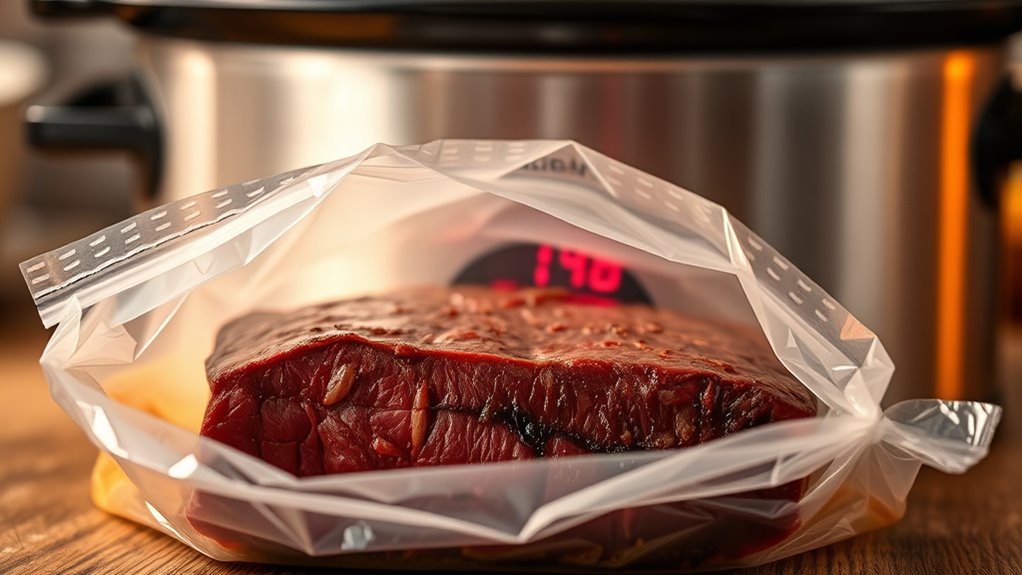
When you cook food at low temperatures, gentle heat slowly breaks down connective tissues and proteins without overcooking or drying out the food. This process relies on thermal conduction, where heat transfers directly from the warm water or environment to the food’s surface, gradually moving inward. Heat diffusion then distributes this heat throughout the food evenly, preventing hot spots and ensuring uniform cooking. Because the temperature remains low, the heat transfer occurs gradually, allowing enzymes and proteins to break down without damaging delicate textures. This controlled heat transfer helps maintain the food’s natural moisture and flavor, making low-temperature cooking ideal for tender, juicy results. Understanding thermal conduction and heat diffusion reveals why gentle, consistent heat is essential for precise, flavorful cooking. Additionally, the high precision of low-temperature methods allows for better control over the final texture and taste of the dish. The thermodynamic principles behind these methods explain why they are so effective at preserving food quality and nutrients. Recognizing thermal conduction as a fundamental concept helps explain the efficiency of these cooking techniques. Moreover, advances in cooking technology have made these methods more accessible and reliable for home chefs.
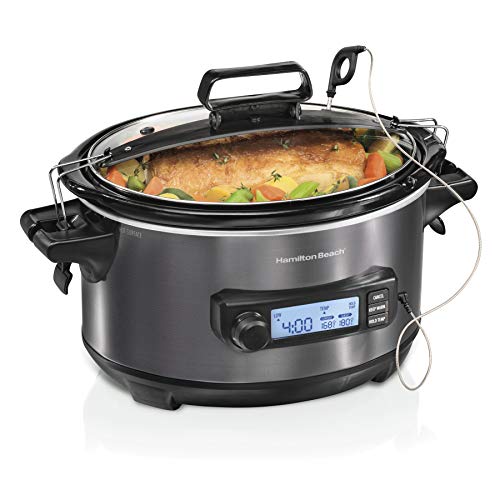
Hamilton Beach Portable 6 Quart Set & Forget Programmable Slow Cooker
Integrated Temperature Probe: Track Your Food’s Temperature With the Probe, Minimizing the Chances of Overcooking and Helping to…
As an affiliate, we earn on qualifying purchases.
As an affiliate, we earn on qualifying purchases.
How Low Temperatures Preserve Natural Juices and Moisture

When you cook at low temperatures, your food’s natural juices stay locked inside, keeping it tender and flavorful. This gentle heat minimizes moisture loss, so your dish remains moist and succulent. By choosing low-temperature methods, you preserve the integrity and moisture of your ingredients more effectively. Additionally, gentle heat techniques can help retain essential nutrients, making your meals both delicious and nutritious. Using natural cooking processes further enhances flavor retention by reducing the need for added fats or seasonings. Incorporating proper temperature control ensures that your food remains safe while maintaining optimal flavor and moisture levels. Employing smart kitchen devices with precise temperature regulation can optimize these low-temperature cooking methods for consistent results. Understanding thermal stability in cooking helps prevent overcooking and ensures consistent quality.
Juices Stay Locked In
Low-temperature cooking helps keep natural juices and moisture locked inside your food, resulting in tender, flavorful results. By gently heating, you prevent the rapid evaporation that often causes dryness. This retention of juices enhances flavor concentration, making each bite more intense and satisfying. The preserved moisture also improves texture, keeping meats juicy and vegetables supple. When juices stay locked in, they carry essential flavors throughout the dish, creating a more cohesive taste experience. This method minimizes the loss of natural liquids, so your food remains moist and tender. Proper water circulation in sous vide setups can further enhance the evenness of cooking and ensure safety in food preparation. As a result, low-temperature cooking delivers dishes with superior flavor and improved texture, giving you a more enjoyable and satisfying culinary outcome every time. Additionally, understanding pool hydraulics can help optimize water circulation, which is crucial for even cooking in sous vide setups and ensuring safety in food preparation. Proper temperature control and circulation are key to achieving consistent results with precision cooking techniques.
Moisture Loss Minimized
By cooking at lower temperatures, you considerably reduce the rate at which natural juices escape from your food. This gentle heat helps keep moisture locked in, resulting in juicier, more flavorful dishes. Because the temperature stays below the point of rapid evaporation, your food retains its natural moisture, preventing dryness and overcooking. This moisture retention not only preserves the food’s original texture but also enhances flavor infusion, allowing herbs and seasonings to meld better with the meat or vegetables. Slow, low-temperature methods work by minimizing moisture loss, so your results are tender and succulent every time. By maintaining natural juices, you ensure that each bite delivers maximum flavor and ideal texture preservation, elevating your cooking experience. Proper temperature control plays a vital role in preventing moisture loss and ensuring optimal results in low-temperature cooking techniques. Additionally, using the appropriate cooking equipment designed for low temperatures can further improve moisture retention and overall dish quality. Implementing consistent heat distribution helps maintain steady temperatures throughout the cooking process, further protecting against moisture loss. Proper monitoring and adjustments during cooking can also help sustain ideal moisture levels and enhance flavor retention. Furthermore, selecting the right cooking methods based on the food type can significantly influence moisture preservation.
Gentle Heat Preservation
Because low temperatures provide a gentle heat source, they slow down the rate at which moisture escapes from your food. This gentle heat preserves the natural juices, leading to better flavor infusion as the food retains more of its essence. By avoiding high-heat searing, you prevent excessive moisture loss, keeping your dishes moist and tender. This preservation not only enhances flavor but also improves texture, making meats and vegetables more succulent and delicate. Slow, low-temperature cooking allows your ingredients to cook evenly, ensuring the natural moisture remains locked in. Additionally, maintaining precise temperature control is crucial for proper repair fundamentals, ensuring consistent results and preventing overcooking. Controlling temperature accurately is essential for consistent outcomes, which is a key advantage of sous vide and slow cookers. As a result, you enjoy dishes with richer flavor and improved mouthfeel. This method is ideal for delicate proteins and vegetables, where maintaining moisture is essential for ideal taste and texture. Proper temperature management in low-temperature cooking also helps prevent overcooking, safeguarding both flavor and nutritional value. Moreover, the ability to monitor temperature precisely can help preserve nutritional content, making your meals healthier. Employing these techniques also minimizes the risk of nutrient loss, ensuring the maximum health benefits from your ingredients.

Anova Culinary Precision Vacuum Sealer Pro, Includes Large Bag Roll (19ft), Wet & Dry Dual Food Vacuum Sealer Machine for Sous Vide and Long-Term Storage, 2-Year Warranty
The more robust, older sibling to our best selling “minimalist” Precision Vacuum Sealer. Expect a high power vacuum,…
As an affiliate, we earn on qualifying purchases.
As an affiliate, we earn on qualifying purchases.
The Role of Time in Flavor Development and Tenderness

As you cook at low temperatures over an extended period, the flavors in your meat deepen and become more complex. Time allows marinating techniques to work effectively, enhancing flavor infusion and tenderizing the protein. The longer your food cooks, the more the connective tissues break down, resulting in increased tenderness. This gradual process also lets spices and herbs permeate deeper into the meat, enriching its taste. Patience is key; rushing shortens these benefits. Remember, the extended cook time amplifies aroma and flavor layers, creating a richer eating experience. Slow cooking is an ideal method for maximizing these flavor development benefits, as it facilitates thorough extraction and infusion of flavors over time. Additionally, the consistency of low-temperature cooking helps preserve the natural moisture and nutritional content, ensuring a healthier and more flavorful dish.
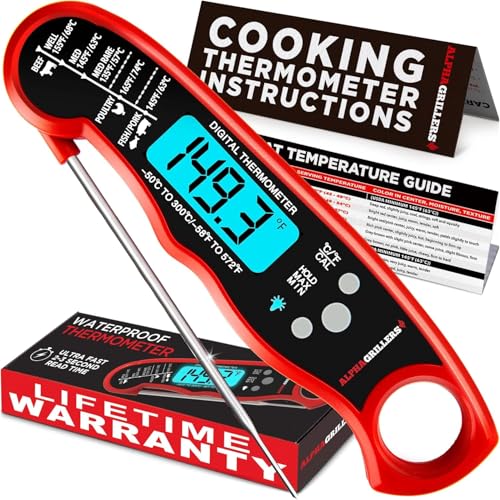
Alpha Grillers Meat Thermometer Digital – Instant Read Food Thermometer for Cooking & Grilling – Professional Kitchen Birthday Gifts for Men, Him, Dad, Husband, Boyfriend
Instant Read Food Thermometer | Our instant read thermometer features a temperature probe and advanced, highly accurate technology…
As an affiliate, we earn on qualifying purchases.
As an affiliate, we earn on qualifying purchases.
Protein Transformation at Low Temperatures
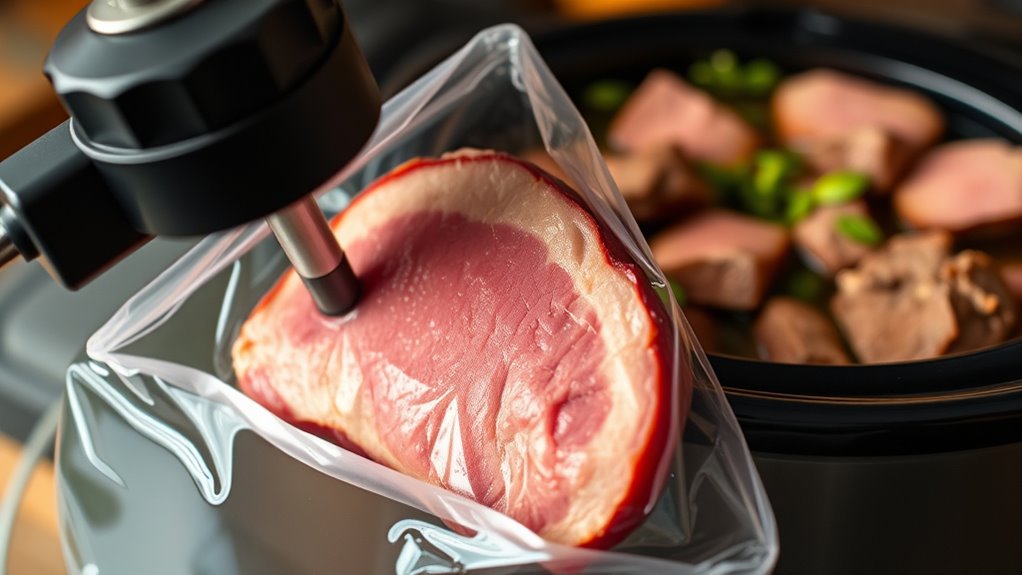
When you cook proteins at low temperatures, their structure undergoes significant transformation, resulting in tender, juicy meat. This process begins with protein denaturation, where heat causes the proteins to unfold and lose their original shape. Unlike high-temperature cooking, which can cause rapid muscle fiber contraction and toughening, low temperatures allow proteins to denature gradually. This gentle process preserves moisture and tenderness because muscle fibers don’t contract excessively. As a result, you get meat that remains moist, soft, and flavorful. The slow, controlled heat breaks down protein structures gently, preventing the toughening that often occurs with traditional methods. This careful transformation is what makes sous vide and slow cooking ideal for achieving perfectly tender, flavorful proteins without sacrificing moisture or succulence.
The Effect of Slow Cooking on Collagen and Connective Tissues

When you cook slowly at low temperatures, collagen in connective tissues gradually breaks down into gelatin, making your meat tender. This process is the key to developing a moist, juicy texture that’s hard to achieve with quick cooking methods. Understanding how collagen transforms helps you control tenderness and unleash the full potential of slow-cooked dishes.
Collagen Breakdown Process
Slow cooking transforms tough cuts of meat by breaking down their connective tissues, primarily collagen. As the heat gradually penetrates, collagen converts into gelatin, which enriches the dish with flavor infusion and improves texture. This process makes meat more tender and juicy, allowing flavors to meld deeply. The breakdown occurs gradually at low temperatures, preventing moisture loss and preserving moisture content. During slow cooking, the collagen’s transformation creates a silky, melt-in-your-mouth consistency. This breakdown process not only tenderizes the meat but also enhances overall sensory qualities. Understanding this mechanism helps you appreciate how slow cooking delivers rich, flavorful results with a desirable, tender texture. It’s the key to transforming tough cuts into delicious, succulent dishes that retain their natural flavors.
Tenderness Development Mechanisms
The process of slow cooking effectively breaks down connective tissues, primarily collagen, which considerably enhances meat tenderness. As collagen converts into gelatin, it creates a moist, melt-in-your-mouth texture that’s ideal for achieving tenderness. This breakdown also facilitates flavor infusion, allowing spices and herbs to penetrate deeply, enriching the overall taste. Slow cooking’s gentle heat prevents the meat from drying out, ensuring a juicy, tender result. Additionally, the softened connective tissues contribute to texture enhancement, making the meat more enjoyable to chew without losing moisture. By maintaining consistent low temperatures, slow cookers maximize collagen transformation, resulting in tender, flavorful dishes with improved mouthfeel. This mechanism highlights how slow cooking not only preserves flavor but also optimizes tenderness through precise collagen and connective tissue management.
Nutrient Retention in Low-Temperature Methods

Low-temperature cooking methods are known for their ability to better preserve nutrients in food compared to traditional high-heat techniques. This gentle approach helps retain essential vitamins and minerals, supporting overall health. As you cook at lower temperatures, you minimize nutrient loss caused by heat and oxidation, leading to better nutrient preservation. Additionally, the controlled environment allows flavors to concentrate, enhancing taste without overcooking.
- Reduced nutrient degradation due to gentle heat
- Enhanced flavor concentration without losing vitamins
- Better retention of water-soluble nutrients like vitamin C and B vitamins
Comparing High-Heat and Low-Temperature Cooking Outcomes
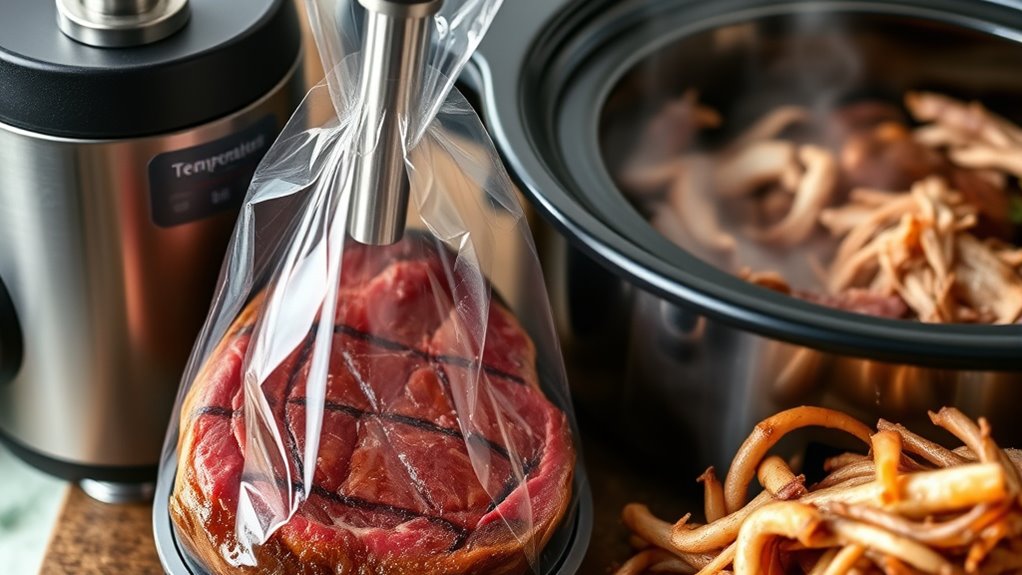
While high-heat cooking methods often produce faster results, they can lead to significant nutrient loss and uneven doneness. In contrast, low-temperature techniques like sous vide and slow cooking excel at flavor enhancement and texture preservation. High-heat methods tend to cause proteins to tighten quickly, resulting in tougher textures, and can overcook outer layers while the inside remains underdone. Low-temperature cooking guarantees even heat distribution, allowing flavors to develop gradually and deeply, while maintaining the natural tenderness of ingredients. This controlled process minimizes nutrient degradation and preserves the integrity of delicate flavors. Overall, low-temperature methods deliver consistent, flavorful results with superior texture preservation, making them ideal for dishes where tenderness and taste are priorities.
Frequently Asked Questions
How Does Sous Vide Prevent Nutrients From Breaking Down During Cooking?
You prevent nutrient breakdown with sous vide by cooking food at precise, low temperatures, which minimizes heat exposure that typically destroys nutrients. This method guarantees nutrient preservation and flavor retention because the gentle heat keeps delicate vitamins and minerals intact. Since the food is cooked in vacuum-sealed bags, nutrients don’t escape into water or air, maintaining the food’s nutritional value while enhancing natural flavors.
Can Low-Temperature Cooking Techniques Be Used for All Types of Meats?
Did you know that low-temperature cooking techniques, like sous vide, can be used for over 90% of meat types? You’ll find these methods enhance meat textures and deliver consistent results. While they’re versatile, some tougher cuts benefit most from slow cooking, while delicate fish needs careful temperature control. Overall, low-temperature techniques offer great cooking versatility, making them suitable for many meats, but not all, depending on the desired outcome.
What Are the Safety Considerations When Cooking at Low Temperatures?
When cooking at low temperatures, you need to focus on temperature control to guarantee food safety. Keep your cooker at the right temperature to prevent bacteria growth, especially with meats. Use a reliable thermometer to monitor consistently, and follow recommended cooking times. Properly handling and storing ingredients also helps. By paying attention to these safety considerations, you can enjoy perfectly cooked, flavorful dishes without risking foodborne illnesses.
How Does Slow Cooking Influence the Development of Complex Flavors?
Imagine a simmering stew, where flavors gently meld over time. Slow cooking fosters flavor layering, as ingredients break down and release their essence gradually. This process preserves aroma, allowing it to develop fully, creating a rich, complex profile. You notice how each bite offers a depth of taste, thanks to the extended, gentle heat that enhances both aroma and flavor, making your dish more flavorful and satisfying.
Are There Specific Foods That Benefit Most From Low-Temperature Methods?
You’ll find that delicate seafood and tender vegetables benefit most from low-temperature methods. These techniques gently cook ingredients, preventing overcooking and preserving subtle flavors and textures. Using sous vide or slow cookers, you can achieve perfectly cooked seafood like salmon or scallops, and maintain the vibrant freshness of vegetables like carrots or asparagus. This gentle approach guarantees your dishes stay flavorful, moist, and beautifully tender every time.
Conclusion
By choosing low-temperature cooking methods like sous vide and slow cookers, you’re gently guiding your food to unseal its fullest flavor and tenderness, like a skilled artist revealing hidden depths in a masterpiece. These methods preserve natural juices and nutrients, turning simple ingredients into a symphony of taste and texture. So, embrace the slow dance of gentle heat—your palate will thank you for the tender, flavorful journey.