🔍 Read the full analysis: Balsamico Di Modena: Tradizionale Vs IGP And What Each Is For on Mad Tasting

Get kitchen gear delivered free — and shop member deals
- Fast, free delivery on millions of items
- Access to Prime Big Deal Days deals on October 6–7
- Prime Video, Amazon Music and more included
TL;DR
Balsamico di Modena comes in two protected forms: Tradizionale DOP, a centuries-old, long-matured condiment used for finishing dishes, and IGP, a versatile vinegar suitable for everyday cooking. Each serves distinct culinary purposes, shaped by different production rules.
The fundamental difference between Tradizionale Balsamico di Modena DOP and IGP Balsamico di Modena lies in their production methods, aging processes, and intended culinary uses. For a detailed comparison, see the original analysis. While both originate from the Emilia-Romagna region, they serve different roles in the kitchen and carry distinct legal protections. This clarification helps consumers make informed choices based on their cooking needs and budget.
Tradizionale Balsamico di Modena DOP is made solely from cooked grape must, with no added wine vinegar or caramel coloring. It undergoes a minimum aging of 12 years in a series of wooden barrels, resulting in a concentrated, glossy, aromatic condiment used primarily as a finishing touch on dishes like Parmigiano Reggiano, roasted vegetables, or desserts. Its small bottle size (typically 100 ml) reflects its high concentration and cost, which can exceed that of larger, everyday vinegars.
In contrast, IGP Balsamico di Modena is produced from a blend of grape must and wine vinegar, with a minimum aging of 60 days. This makes it more suitable for a wide range of culinary applications, including dressings, marinades, sauces, and everyday cooking. IGP bottles are generally larger, more affordable, and designed for volume use. Some IGP vinegars are rich enough to be used in finishing dishes, but they are not equivalent to the traditional DOP product in terms of complexity or aging.
The legal designations—DOP (Protected Designation of Origin) and IGP (Protected Geographical Indication)—define strict production criteria. DOP requires the use of cooked grape must only and extensive aging, while IGP allows for added wine vinegar and shorter maturation. These rules shape the flavor, texture, and price of each product, influencing how they are best used in the kitchen.
Balsamico di Modena: Tradizionale vs IGP
They share a region and a celebrated name, but they belong in different moments of the meal. Tradizionale DOP is a long-matured finishing condiment; IGP is the versatile choice for dressings, marinades, sauces, and daily cooking.
Same heritage. Different jobs.
Production rules determine concentration, aroma, texture, price, and ultimately how each bottle performs in the kitchen.
Aceto Balsamico Tradizionale di Modena DOP
Glossy, concentrated, and deeply aromatic. Use it sparingly after cooking so its layered character remains intact.
Aceto Balsamico di Modena IGP
Brighter, more fluid, and made for range. It brings sweet acidity to preparations that need more generous quantities.
What the designation changes
DOP protects a tightly defined traditional method. IGP protects a broader regional product whose rules support accessibility and versatility.
| Decision point | Tradizionale DOP | IGP |
|---|---|---|
| Ingredients | ✓Cooked grape must only | ~Grape must and wine vinegar; caramel coloring may be permitted |
| Minimum time | ✓12 years | ~60 days |
| Character | Dense, glossy, aromatic, complex | More fluid, sweet-and-sour, highly variable by producer |
| Typical format | Distinctive small bottle, commonly 100 ml | Larger retail bottles intended for regular use |
| Kitchen role | Finishing, tasting, and special dishes | Dressings, reductions, marinades, sauces, and cooking |
| Budget logic | High cost, used by the drop | Accessible cost, used by the spoonful |
A rich IGP can be an excellent finishing vinegar, but richness alone does not make it equivalent to Tradizionale DOP.
Use each where it shines
The easiest buying strategy is to begin with the dish. Heat, volume, and desired intensity reveal which designation makes sense.
Parmigiano Reggiano
Add a few drops at the table. The concentrated sweetness and wood-aged aroma complement the cheese without overwhelming it.
Roasted produce and dessert
Finish roasted vegetables, strawberries, gelato, or custard when the vinegar itself should remain clearly perceptible.
Vinaigrettes and salads
Its acidity, pourability, and value make IGP the practical partner for oil, mustard, herbs, and larger servings.
Marinades and glazes
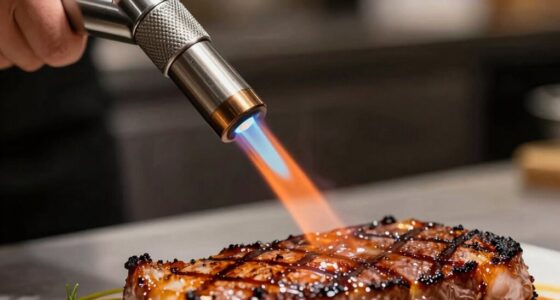
Use enough to season meat, mushrooms, onions, or vegetables without spending a rare long-aged condiment.
Sauces and reductions
IGP tolerates simmering and reduction. Watch added sweetness, because some bottles are already must-rich.
Finishing with IGP
A dense, balanced IGP may work as a finish, but expect a different depth, texture, and aromatic persistence from DOP.
If heat or volume is involved, reach for IGP. If the final drops are the point, reach for Tradizionale DOP.
Why they feel so different
These bars are a practical culinary map, not official grades. Individual IGP products can vary substantially.
From production rule to plate
The label is your best tool
Marketing language can suggest age, density, or prestige without changing the legal category. Verify the protected name first.
Authenticity checklist
Why Distinguishing Between Tradizionale and IGP Matters
Understanding the differences between Tradizionale DOP and IGP balsamic vinegar is essential for both consumers and chefs. It ensures proper use of each product, prevents mislabeling, and helps buyers select the right vinegar for specific culinary purposes. Recognizing that Tradizionale is a luxury, long-aged condiment meant for finishing, while IGP is a versatile, everyday vinegar, can improve cooking results and value perception.
This distinction also clarifies market expectations, as some products labeled as ‘balsamic’ may not meet the legal standards for each category. Proper identification supports the integrity of the protected designations and promotes respect for traditional production methods.
Tradizionale DOP balsamic vinegar 100ml
As an affiliate, we earn on qualifying purchases.
As an affiliate, we earn on qualifying purchases.
Historical and Regulatory Background of Balsamico di Modena
The production of balsamic vinegar in Emilia-Romagna dates back centuries, rooted in local grape varieties like Lambrusco and Trebbiano. The protected designations—DOP and IGP—were established by the European Union to safeguard regional products and ensure quality. Tradizionale Balsamico di Modena DOP was officially recognized in 2009, requiring strict adherence to traditional methods, including cooking must and lengthy aging in wooden barrels. Its production is limited to specific municipalities within Modena, emphasizing regional authenticity.
IGP Balsamico, introduced later, allows for a broader range of production practices, including the addition of wine vinegar and shorter aging periods. It is more accessible and adaptable for commercial and home use, reflecting a wider scope of regional production that still respects certain geographical boundaries.
Over time, the market has seen an increase in products labeled as balsamic, often blurring the lines between authentic Tradizionale and commercial IGP. Consumers are encouraged to read labels carefully to distinguish between these categories and understand their different roles in culinary applications.
IGP balsamic vinegar for dressings
As an affiliate, we earn on qualifying purchases.
As an affiliate, we earn on qualifying purchases.
Remaining Questions About Balsamico Classifications
While the legal definitions are clear, there is ongoing debate about the labeling practices of some commercial products that blur the lines between Tradizionale and IGP. Some producers may use language suggesting aging or quality levels that are not officially recognized, leading to potential confusion for consumers. Additionally, the market for IGP vinegars varies widely in quality, and not all products labeled as ‘must-rich’ or ‘aged’ meet the legal standards for higher categories.
Furthermore, the exact impact of these distinctions on consumer perception and pricing remains an area for further study. Clarification from regulatory bodies and increased consumer education are ongoing efforts to address these issues.
aged balsamic vinegar for finishing dishes
As an affiliate, we earn on qualifying purchases.
As an affiliate, we earn on qualifying purchases.
Future Developments in Balsamico Labeling and Standards
Regulatory authorities are expected to continue monitoring labeling practices to prevent misleading claims and ensure compliance with protected designations. Consumer education campaigns may increase awareness of the differences between Tradizionale DOP and IGP balsamic vinegar, helping buyers make informed choices.
Producers may also innovate within the legal frameworks, creating new products that respect traditional standards while expanding the range of flavors and uses. As the market evolves, transparency and authenticity will remain key priorities for maintaining the integrity of Balsamico di Modena’s regional reputation.
balsamic vinegar set for cooking and finishing
As an affiliate, we earn on qualifying purchases.
As an affiliate, we earn on qualifying purchases.
Key Questions
What is the main difference between Tradizionale DOP and IGP balsamic vinegar?
Tradizionale DOP is made solely from cooked grape must, aged for at least 12 years, and used mainly as a finishing condiment. IGP includes grape must and wine vinegar, with a minimum aging of 60 days, and is suited for everyday cooking and dressings.
Why is Tradizionale balsamic vinegar so expensive?
Its high cost reflects the long aging process (at least 12 years), traditional production methods, limited yield, and certification costs. The small bottle size also concentrates its aromatic and flavor qualities.
Can IGP balsamic vinegar replace Tradizionale in recipes?
While IGP can be used for many purposes, Tradizionale offers a more complex, concentrated flavor ideal for finishing dishes. It is not a direct substitute when a subtle, aromatic touch is desired.
How can I tell if a balsamic vinegar is truly Tradizionale DOP?
Look for the DOP label, which indicates compliance with strict production standards, including the use of cooked grape must and long aging. The bottle is typically small (around 100 ml) and may have a serial number or certification seal.
Are there any risks of mislabeling or misleading claims?
Yes, some products may use language suggesting aging or quality that does not meet legal standards. Consumers should verify labels and buy from reputable sources to ensure authenticity.
Source: Mad Tasting
Halloween Picks
halloween
As an affiliate, we earn on qualifying purchases.