
TL;DR

Get kitchen gear delivered free with Prime
- Fast, free delivery on millions of items
- Prime Video, Amazon Music and more included
- Member-only deals all year
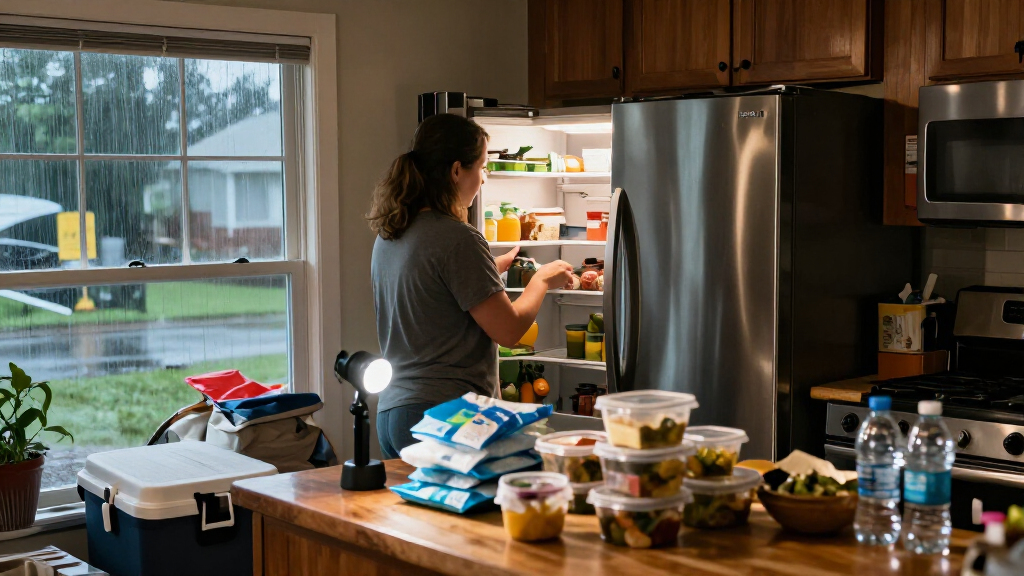
Federal food safety officials have issued urgent guidelines for households recovering from hurricane-related flooding and power outages. The guidance emphasizes discarding perishable items exposed to floodwater and sanitizing metal utensils. Consumers are advised to rely on bottled water and avoid tasting food to check for spoilage.
The guidance specifies that any food stored in refrigerators or freezers should be discarded if the power has been out for several days. Officials note that visual inspection or smelling food is not a reliable method for determining safety. Instead, households should consult official charts that detail which items remain safe and which must be thrown away after extended power interruptions. This protocol is designed to minimize the risk of bacterial growth that can occur even in cold storage when temperatures rise above safe thresholds.
Regarding water safety, the advisory warns that screw caps are not waterproof. Consequently, any bottled water or beverages that may have come into contact with floodwater must be discarded, even if the containers appear sealed. If bottled water is unavailable, residents are instructed to boil or disinfect water before consumption. Similarly, food stored in containers with screw caps, snap lids, pull tops, or crimped caps should be thrown away if there is any chance of floodwater contact, as these packaging types do not provide a watertight seal against contaminated water.
For items that can be salvaged, the guidelines provide specific cleaning instructions. Undamaged, commercially prepared foods in all-metal cans and retort pouches can be saved if they are cleaned according to federal protocols. Metal pans, utensils, and ceramic dishes that touched floodwater must be washed with hot soapy water, rinsed, and then sanitized by boiling or soaking in a bleach solution. However, porous materials such as wooden cutting boards, plastic utensils, baby bottle nipples, and pacifiers cannot be effectively sanitized after floodwater exposure and must be discarded immediately.
Preventing Illness During Recovery
This guidance is vital because post-hurricane conditions often create an environment where foodborne pathogens thrive. Floodwater is frequently contaminated with sewage, chemicals, and bacteria, making any food it touches a potential health hazard. By providing clear, actionable steps, federal agencies aim to reduce the incidence of foodborne illnesses in communities already strained by disaster recovery efforts. The emphasis on discarding rather than attempting to save questionable items helps prevent households from making risky judgments based on unreliable sensory cues.
Furthermore, the distinction between salvageable and non-salvageable items helps conserve resources for those in need. Knowing that all-metal cans can be sanitized allows families to retain essential nutrition, while the strict rule against saving porous items prevents the retention of hidden contaminants. This balance ensures that recovery efforts are both safe and efficient.
As an affiliate, we earn on qualifying purchases. As an affiliate, we earn on qualifying purchases.food storage containers for hurricane recovery
Federal Guidelines for Storm Recovery
These recommendations align with long-standing protocols from the Food Safety and Inspection Service (FSIS) and other federal bodies regarding severe weather events. The guidelines are part of a broader framework that includes resources like the Consumer’s Guide to Food Safety: Severe Storms and Hurricanes. This framework is regularly updated to reflect best practices in food handling during emergencies. The current advisory reinforces the standard position that prevention is preferable to treatment when dealing with compromised food supplies in disaster zones.
The release of these tips coincides with ongoing hurricane season activities, where flooding and infrastructure damage are common. Historical data shows that power outages lasting more than four hours can compromise the safety of refrigerated foods, while floodwater exposure poses an immediate threat to packaged goods. These established timelines and risks form the basis of the current public health messaging.
“Never taste a food to determine its safety.”
— Food Safety News
food sanitizer for kitchen utensils
As an affiliate, we earn on qualifying purchases.
As an affiliate, we earn on qualifying purchases.
Limits of Household Assessment
While the guidelines provide clear rules for obvious hazards, the extent of chemical contamination in floodwater can vary significantly by location. It is not always clear what specific pathogens or toxins are present in a given flood event. Therefore, the blanket recommendation to discard items exposed to floodwater serves as a precautionary measure rather than a precise assessment of individual items. Local conditions may vary, but without specialized testing, households cannot determine the exact safety of borderline items, reinforcing the need for strict adherence to disposal protocols.
water purification tablets for floodwater
As an affiliate, we earn on qualifying purchases.
As an affiliate, we earn on qualifying purchases.
Accessing Support and Resources
Residents with specific questions about food safety are directed to contact the Meat and Poultry Hotline at 1-888-674-6854, which operates Monday through Friday from 10 a.m. to 6 p.m. EDT. Additional support is available via email at MPHotline@usda.gov or through the Ask USDA live chat feature. These resources provide real-time assistance for navigating complex situations, such as determining the safety of specific packaged goods or understanding local health advisories. As recovery efforts continue, agencies may issue localized updates based on the specific environmental conditions and infrastructure status of affected areas.
As an affiliate, we earn on qualifying purchases.
Key Questions
Can I taste food to see if it is safe after a power outage?
No. Federal guidelines explicitly state that you should never taste food to determine its safety. Harmful bacteria may not change the taste, smell, or appearance of food.
How long can food stay in the fridge without power?
The guidance advises throwing away food if the power has been out for several days. For shorter outages, consult specific charts that detail safe timeframes for refrigerated and frozen items.
Can I save canned food that touched floodwater?
Yes, but only if the cans are undamaged and commercially prepared. They must be cleaned and sanitized according to federal protocols. Cans with screw caps or crimped caps should be discarded.
What should I do with wooden cutting boards exposed to floodwater?
They must be discarded immediately. Porous materials like wood, plastic utensils, and baby bottle nipples cannot be effectively sanitized after contact with contaminated floodwater.
Source: rss
Fall Picks
fall essentials
As an affiliate, we earn on qualifying purchases.