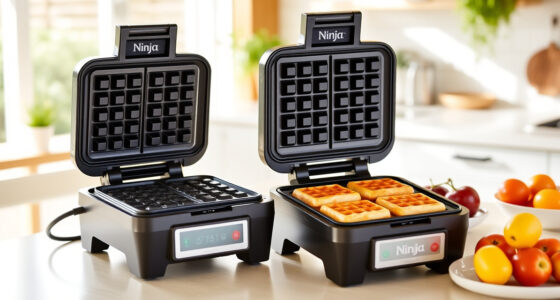
Deciding if smart kitchen appliances are worth it depends on your cooking habits, needs, and budget. If you cook often and value convenience, features like remote control, automation, and recipe management can save time and effort. However, consider their compatibility with your existing setup, security, and long-term support. If you want practical advice on choosing the right devices and avoiding tech fads, you’ll find helpful insights ahead.
Open a free Amazon Business account
Business pricing, bulk buying and tax-exempt orders.
As an affiliate, we earn on qualifying purchases.
Key Takeaways
- Assess your cooking habits and whether smart features genuinely enhance efficiency or convenience for your routine.
- Consider compatibility with existing appliances, smart home systems, and your tech comfort level before investing.
- Evaluate if smart appliances offer long-term energy savings and sustainability benefits that justify the higher cost.
- Determine if device features address specific needs or solve common problems, avoiding unnecessary tech fads.
- Balance initial investment against potential time, effort, and utility savings to decide if smart appliances provide real value.
As an affiliate, we earn on qualifying purchases.
Assessing Your Cooking Style and Needs

Before investing in smart kitchen appliances, it’s important to assess your cooking style and needs. Think about how often you cook and what types of dishes you prepare. If you enjoy experimenting with recipes and customizing your cooking process, look for devices that offer recipe customization features. These can help streamline complex tasks and enhance your culinary creativity. Additionally, consider the appliance aesthetics—do you prefer sleek, modern designs that complement your kitchen decor? Some smart appliances blend seamlessly with contemporary styles, while others make a bold statement. By understanding whether your focus is on functional versatility or aesthetic appeal, you can choose the right smart appliances that genuinely improve your cooking experience. Incorporating energy-efficient technology can also help reduce your household’s carbon footprint while enjoying smart kitchen innovations. Being aware of smart appliance science can further inform your purchasing decisions to ensure you select devices with proven performance and reliability. Furthermore, understanding connected cooking features can help you maximize convenience and efficiency during meal preparation.
best smart oven with recipe management
As an affiliate, we earn on qualifying purchases.
As an affiliate, we earn on qualifying purchases.
Understanding the Features That Matter Most
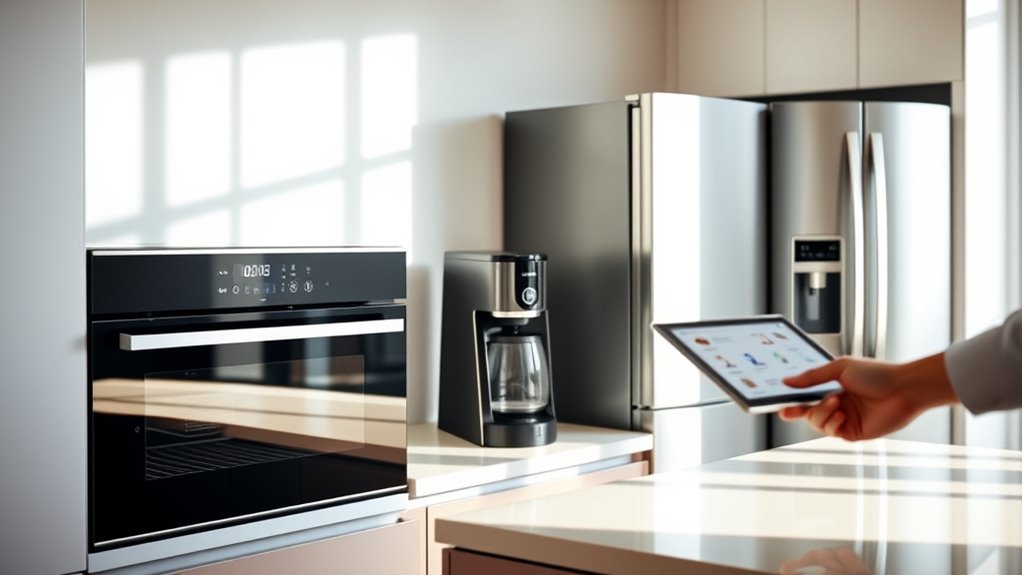
When choosing smart kitchen appliances, understanding the features that matter most can make all the difference in enhancing your cooking experience. Focus on key features like connectivity options, user interface, and automation capabilities. Research smart appliance brands known for reliability and user-friendly design. Don’t overlook warranty coverage, which protects your investment if something goes wrong. A good warranty can save you money and hassle down the line. Pay attention to compatibility with your existing devices and whether the appliance integrates smoothly into your smart home system. Consider features that genuinely add convenience or improve functionality for your cooking style. Additionally, understanding how home‑care techniques can extend the lifespan of your appliances can be a valuable part of your overall smart kitchen strategy. Being aware of device maintenance tips ensures your appliances operate efficiently over time. Moreover, understanding the energy efficiency ratings can help you save on long-term costs and reduce your environmental impact. Incorporating smart home integration can further streamline your kitchen workflow and enhance automation capabilities. Exploring sauna and cold plunge systems may also inspire innovative ways to incorporate wellness into your home environment.
smart refrigerator with energy efficiency
As an affiliate, we earn on qualifying purchases.
As an affiliate, we earn on qualifying purchases.
Budget Considerations and Cost-Benefit Analysis
Balancing your budget with the features you need is essential when selecting smart kitchen appliances. Focus on the potential cost savings over time—energy-efficient models can lower utility bills, making them more economical in the long run. Consider the initial purchase price versus the resale value; high-quality appliances often retain more value if you decide to upgrade later. Conduct a cost-benefit analysis to determine whether the convenience and features justify the expense. Don’t forget to factor in maintenance costs and potential savings from smarter energy use. Additionally, understanding the contrast ratio of appliances can help gauge their performance in energy efficiency and image quality, affecting overall value. Evaluating long-term savings can help you determine if the upfront investment is justified by future benefits. Incorporating net worth considerations can further clarify whether such investments align with your overall financial situation, ensuring you make choices that support your economic stability. By weighing these factors, you can make informed decisions that align with your financial goals, ensuring you invest in appliances that offer real value without overspending.
connected kitchen device automation
As an affiliate, we earn on qualifying purchases.
As an affiliate, we earn on qualifying purchases.
Compatibility With Existing Kitchen Equipment

When choosing smart appliances, you’ll want to consider how easily they connect with your current devices. Make sure they fit standard sizes so installation isn’t a hassle, and check if they integrate smoothly with your existing ecosystem. Compatibility can make or break your overall smart kitchen experience, so it’s worth paying attention to these points. Ensuring device compatibility with your existing setup can help prevent future headaches and maximize your investment’s benefits. Additionally, understanding network infrastructure requirements can ensure your smart appliances function reliably without connectivity issues. Properly configured privacy settings can also help you maintain control over your data and enhance your overall security.
Appliance Connectivity Ease
Ensuring that smart kitchen appliances easily connect with your existing equipment is crucial for a seamless cooking experience. Good appliance connectivity means you won’t struggle with complicated setup or constant troubleshooting. Look for devices designed with ease of use in mind, featuring straightforward pairing processes and clear instructions. Compatibility should extend beyond just fitting physically; it must integrate smoothly with your current smart home ecosystem or appliances. When evaluating new gadgets, check if they support common connectivity protocols like Wi-Fi, Bluetooth, or Zigbee. If the connection process is effortless, you’ll save time and frustration, making smart appliances more practical and enjoyable. Prioritizing appliance connectivity ease guarantees your kitchen remains functional and connected without unnecessary hassle.
Standard Size Compatibility
Compatible size and dimensions are essential to making sure your new smart kitchen appliances fit seamlessly into your existing setup. Before making a purchase, measure your current appliances and available space carefully. This helps prevent awkward fits or the need for costly modifications. Pay attention to standard sizes for items like refrigerators, ovens, and dishwashers to ensure compatibility. Additionally, consider color coordination to match your appliances with your kitchen’s overall aesthetic appeal. Choosing appliances that align with your existing color scheme creates a cohesive look, enhancing the space’s visual harmony. Proper size compatibility not only guarantees a smooth installation process but also maintains the sleek, organized appearance you desire. When your appliances fit well and look good together, your kitchen feels more functional and inviting.
Integration With Devices
To seamlessly incorporate smart kitchen appliances into your existing setup, you need to contemplate how well they integrate with your current devices. Compatibility is key, especially regarding voice control capabilities and app integration. Make certain your appliances work with the voice assistants you already use, like Alexa or Google Assistant, so you can control them hands-free. Check if they connect smoothly to your smartphone or tablet via dedicated apps, enabling easy setup and management. Consider whether your appliances support standard protocols such as Wi-Fi or Bluetooth, which facilitate better device communication. Compatibility issues can lead to frustration or additional costs, so verify device specifications before purchasing. By prioritizing integration, you’ll create a cohesive, user-friendly smart kitchen environment that enhances your cooking experience.
The Impact on Meal Preparation and Efficiency

Smart kitchen appliances considerably speed up your meal prep with faster cooking processes. They also make managing recipes easier and more consistent, saving you time and effort. Plus, streamlined controls let you operate multiple devices effortlessly, boosting overall efficiency in your kitchen. Additionally, understanding upgrades and maintenance can help you choose the right appliances that are reliable and easy to integrate into your existing setup. Being aware of appliance compatibility can also ensure that new devices work seamlessly with your current appliances and smart home system. Moreover, paying attention to filter maintenance and proper cleaning techniques can extend the lifespan of your appliances and maintain their performance. Considering navigation and mapping features in some advanced appliances can further improve their ease of use and integration. Familiarizing yourself with service and support options can also ensure you receive help promptly if issues arise with your appliances.
Faster Cooking Processes
Faster cooking processes driven by smart kitchen appliances substantially transform meal preparation by reducing wait times and increasing efficiency. Smart sensor technology plays a key role by automatically adjusting cooking times and temperatures, ensuring ideal results without guesswork. These sensors monitor food’s progress, preventing overcooking or undercooking, saving you time and effort. Additionally, AI recipe suggestions integrated into appliances help you choose quick, effective meal options based on available ingredients, streamlining decision-making. With these advancements, you spend less time monitoring your dishes and more time enjoying your meals. The combination of smart sensors and AI-driven guidance accelerates cooking without sacrificing quality, making your kitchen more efficient and responsive to your needs.
Simplified Recipe Management
Simplified recipe management through smart kitchen appliances streamlines meal planning and preparation, making your cooking routine more efficient. With features like integrated recipe organization, you can store and access your favorite recipes digitally, reducing clutter and saving time searching for ingredients. Smart appliances often include ingredient tracking, so you receive alerts when supplies run low or need replenishing. This keeps your pantry stocked and minimizes last-minute grocery runs. By syncing your recipe database with your appliances, you can automatically set cooking times, temperatures, and steps, ensuring consistency and precision. Overall, this integration simplifies complex recipes and helps you stay organized, allowing you to focus more on cooking and less on managing ingredients or recalling steps.
Streamlined Appliance Control
When you control your kitchen appliances through centralized interfaces or voice commands, it substantially enhances your meal preparation process. You can start preheating the oven, adjust the fridge temperature, or check on your appliances remotely, saving time and reducing hassle. Voice control makes multitasking easier, allowing you to give commands without interrupting your cooking flow. Remote monitoring lets you oversee appliance performance and status from anywhere, preventing mishaps and ensuring everything runs smoothly. Here’s how these features compare:
| Feature | Benefit |
|---|---|
| Voice control | Hands-free operation for quick adjustments |
| Remote monitoring | Check appliance status from afar |
| Centralized interface | Manage multiple appliances seamlessly |
| Automated routines | Save time with preset cooking sequences |
| Alerts and notifications | Stay informed about appliance issues |
Additionally, understanding smart appliance connectivity helps you optimize their integration into your smart home ecosystem, making your kitchen even more efficient and intuitive.
Embracing streamlined control boosts efficiency and simplifies meal prep.
Ease of Use and Learning Curve

While many smart kitchen appliances boast advanced features, their ease of use varies widely, affecting how quickly you can get started. If you prioritize cooking comfort, look for devices with intuitive interfaces and straightforward setup. Appliances with sleek aesthetics often come with user-friendly controls, making the learning curve less steep. Some gadgets require extensive app navigation or complex programming, which can be frustrating if you want quick results. On the other hand, appliances designed with simplicity in mind let you operate them confidently from the start, saving time and reducing stress. Passive voice detection tools can help identify problematic phrasing and improve clarity in your instructions. Consider your tech comfort level and how much effort you’re willing to invest in learning new functions. The right balance between ease of use and aesthetic appeal can considerably enhance your overall smart kitchen experience. Additionally, understanding market trends can guide you toward appliances with proven user satisfaction and reliable performance. Being aware of user-friendly features can help narrow down options that match your skill level and preferences.
Privacy and Security Concerns With Connected Devices

As smart kitchen appliances become more connected, your privacy and security are increasingly at risk. These devices often collect data to enhance functionality, but this data collection can expose you to privacy risks. Hackers may exploit vulnerabilities, leading to unauthorized access or data breaches. To protect yourself, understand what information your appliances gather and how it’s stored.
| Privacy Risks | Data Collection Methods | Security Measures |
|---|---|---|
| Unauthorized access | Voice commands, sensors | Regular updates, strong passwords |
| Data leaks | Usage patterns | Encrypted data transfer |
| Malware attacks | Remote access | Secure Wi-Fi networks |
| Identity theft | Personal info | Two-factor authentication |
| Surveillance | Camera footage | Privacy settings adjustments |
Long-Term Maintenance and Support

Long-term maintenance and support are essential for ensuring your smart kitchen appliances continue to function effectively over time. Regular software updates keep your devices secure, fix bugs, and add new features, helping them stay relevant and efficient. Before making a purchase, check if the manufacturer offers reliable customer support, so you know help is available if issues arise. Good support services can save you frustration and prevent costly repairs down the line. Additionally, consider how easy it is to access updates and troubleshooting resources. Appliances that receive consistent updates and responsive customer support are more likely to serve you well over the years. Investing in devices with strong ongoing support ensures your smart kitchen remains reliable, safe, and up-to-date.
Comparing Traditional Versus Smart Alternatives
Choosing between traditional and smart kitchen appliances depends on your priorities and lifestyle. Smart options often offer advanced features like remote control and automation, while traditional appliances excel in simplicity and reliability. When comparing them, consider:
- Kitchen aesthetics – Smart appliances often have sleeker designs that blend seamlessly, but traditional models can complement classic decor.
- Ease of use – Traditional appliances are straightforward; smart ones may require learning new interfaces.
- Brand reputation – Appliance branding influences quality, support, and compatibility with existing devices.
- Cost and value – Smart appliances usually cost more upfront but can save time and energy in the long run.
Evaluate if the tech enhancements align with your lifestyle and whether the aesthetic and branding factors match your kitchen’s style.
Identifying Genuine Convenience Versus Tech Fads
When choosing smart kitchen gadgets, focus on practicality rather than hype. Think about whether the device offers real long-term benefits or just adds unnecessary features. By cutting through the technological fluff, you can make smarter decisions that genuinely improve your cooking experience.
Practicality Over Hype
With the rapid rise of smart kitchen appliances, it’s easy to get caught up in the hype surrounding new gadgets. To focus on practicality, consider these points:
- Assess your needs: Will the appliance genuinely improve your cooking or just add clutter?
- Check appliance branding: Reputable brands often prioritize durability and support over fleeting trends.
- Evaluate kitchen aesthetics: Will the gadget blend seamlessly or disrupt your kitchen’s look?
- Avoid tech fads: If a device promises bells and whistles but offers little real convenience, it’s probably a passing trend.
Long-Term Benefits Analysis
How can you distinguish lasting convenience from fleeting tech fads in smart kitchen appliances? Focus on long-term benefits like energy savings and reduced environmental impact. Genuine convenience appliances streamline your cooking routine, save energy, and lower utility bills over time. Look for features that consistently improve efficiency rather than gadgets that promise quick fixes but quickly become obsolete. Consider whether the appliance’s benefits will endure, such as lower carbon footprint or reduced resource consumption. If a device offers sustainable advantages that align with your lifestyle, it’s more likely to be a worthwhile investment. Avoid falling for flashy features that don’t deliver real, lasting value. Instead, prioritize appliances that promote consistent energy savings and contribute positively to the environment, ensuring your purchase remains beneficial well into the future.
Avoiding Technological Fluff
To avoid falling for fleeting tech fads in your smart kitchen, it is crucial to evaluate whether new features genuinely enhance convenience or simply add superficial appeal. Focus on whether the tech trend offers real benefits or if user reviews reveal it’s just a passing gimmick. Ask yourself these questions:
- Does it solve a common kitchen problem or just add novelty?
- Are the features intuitive or overly complicated?
- Do multiple user reviews confirm its usefulness?
- Is the technology compatible with your existing appliances?
Frequently Asked Questions
How Long Do Smart Kitchen Appliances Typically Last?
Smart kitchen appliances typically last around 5 to 10 years, depending on how well you perform appliance maintenance. Regular cleaning, updates, and careful usage can extend your smart device lifespan. Keep in mind that technology evolves quickly, so even if your appliance functions well, newer models might offer better features. Proper care guarantees you get the most out of your investment and maximizes the lifespan of your smart kitchen gadgets.
Are There Energy Efficiency Benefits With Smart Appliances?
You might find that smart appliances do offer energy efficiency benefits, helping you save on energy bills and reduce your environmental impact. These devices often optimize power use, turn off when not needed, and monitor consumption, making them more eco-friendly. While initial costs can be higher, the long-term energy savings make smart kitchen appliances a savvy choice for both your wallet and the planet.
Can Smart Appliances Be Integrated With Voice Assistants?
Yes, smart appliances can be integrated with voice assistants like Alexa or Google Assistant. You can control your devices through voice control, making your kitchen tasks more convenient. Just guarantee the appliance’s device compatibility with your preferred voice assistant. This seamless integration allows you to start your oven, check the fridge, or set timers hands-free, enhancing efficiency and user experience in your smart kitchen setup.
What Warranties or Guarantees Are Available for Smart Devices?
Smart devices often come with manufacturer guarantees that cover defects and malfunctions for a set period. To safeguard your investment, look into extended warranty options, which can provide additional coverage beyond the original guarantee. Always read the warranty details carefully to understand what’s included and any exclusions. This way, you ensure your smart appliances stay functional and protected, giving you peace of mind with your purchase.
How Do Smart Appliances Affect Overall Kitchen Resale Value?
Smart appliances are like gemstones in your kitchen’s crown, boosting its resale sparkle. They enhance overall value by appealing to buyers interested in smart home integration and appliance customization. These features demonstrate modernity and convenience, making your kitchen stand out. While not a guarantee, smart devices can attract tech-savvy buyers, potentially increasing your home’s market appeal and resale price. So, they’re an investment in your kitchen’s future charm.
Conclusion
So, before you invest in smart kitchen gadgets, ask yourself if they truly fit your cooking style and needs. Will they make your life easier or just add complexity? Remember, not every feature is necessary, and some tech fads fade fast. The real question is: are you ready to embrace the future of cooking—knowing it might just change the way you kitchen forever? The choice is yours—are you prepared to take the leap?
NFL season / tailgating Picks
team gear
As an affiliate, we earn on qualifying purchases.