
Data plays an essential role in your healthier cooking routines. It helps you track vital nutrients and adjust meals to meet your dietary needs. You can optimize recipes by finding healthier ingredient substitutions and ensuring your meals are both tasty and nutritious. With data, you can also manage portion sizes to avoid overeating and streamline meal planning to reduce stress and food waste. Discover even more ways data can transform your cooking habits.

Get kitchen gear delivered free with Prime
- Fast, free delivery on millions of items
- Prime Video, Amazon Music and more included
- Member-only deals all year
Key Takeaways
- Data-driven nutritional tracking helps individuals understand their dietary intake and make informed meal choices for better health outcomes.
- Recipe optimization using data encourages healthier ingredient substitutions, ensuring meals meet nutritional goals without sacrificing taste.
- Portion control analytics assist in visualizing serving sizes, preventing overeating and promoting mindful eating habits.
- Meal planning based on data analysis reduces food waste and aligns weekly menus with health objectives, simplifying grocery shopping.
- Personalizing meals through dietary preferences data enhances adherence to health goals while improving overall satisfaction and wellness.
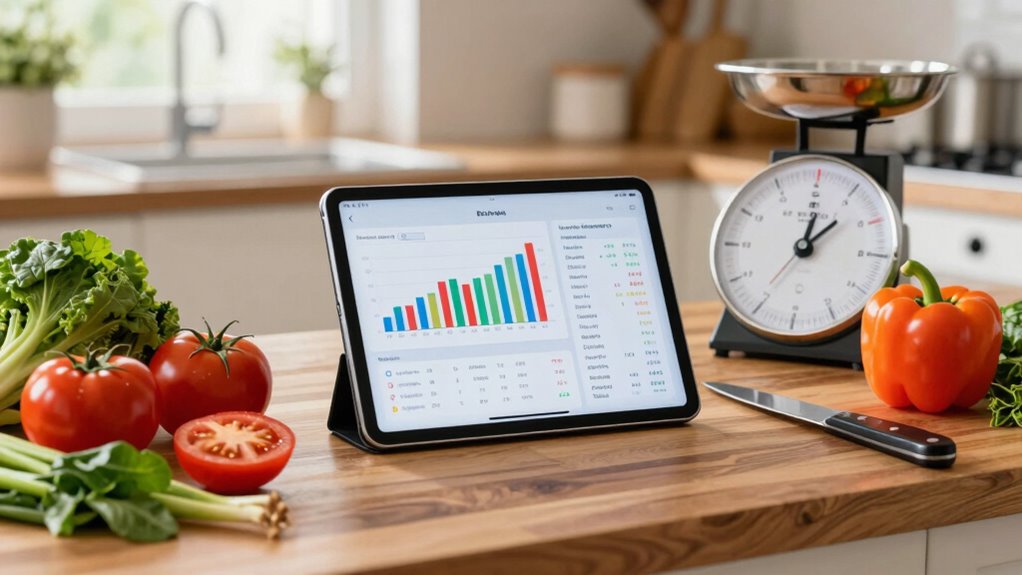
In today’s fast-paced world, incorporating healthier cooking routines can feel overwhelming, but it doesn’t have to be. By leveraging data, you can make informed choices that fit your lifestyle and dietary preferences. One of the most effective ways to start is through nutritional tracking. Keeping tabs on what you eat helps you understand your daily intake of essential nutrients and makes it easier to adjust your meals accordingly.
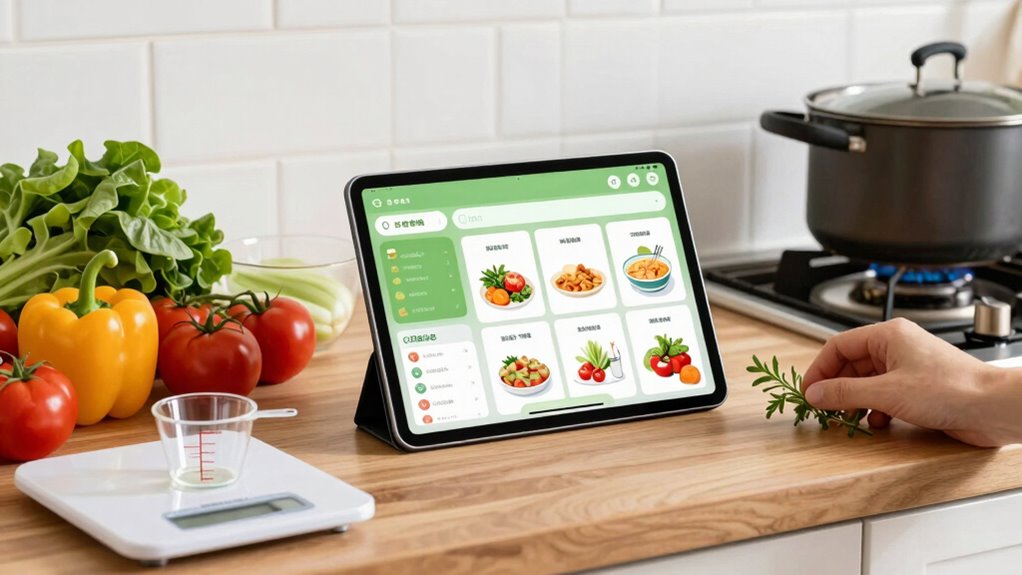
When you explore recipe optimization, data can guide you in creating dishes that are not only delicious but also nutritious. You can analyze the ingredients you commonly use and identify healthier alternatives through ingredient substitution. For instance, replacing sour cream with Greek yogurt can considerably reduce calories while boosting protein. With the right tools, you can even optimize recipes based on your nutritional goals, guaranteeing you’re hitting the mark for a balanced diet.
Data-driven recipe optimization allows you to create nutritious dishes by swapping ingredients, ensuring delicious meals align with your health goals.
Portion control is another area where data plays an important role. By understanding serving sizes, you can avoid overeating and better manage your caloric intake. Cooking analytics tools can help you visualize portion sizes and even suggest adjustments based on your needs. This way, you’re not just cooking; you’re cooking smart. Additionally, understanding metabolic health can help you tailor your cooking routines to support your body’s energy needs and overall wellness. Incorporating personalized nutrition data can also reveal how specific ingredients impact your individual health profile, allowing for more personalized meal planning. Recognizing the importance of nutritional balance helps ensure your meals support both your health and your personal taste preferences.
Meal planning becomes a breeze when you incorporate data into the mix. By analyzing your eating habits and preferences, you can create a weekly menu that aligns with your goals. You’ll waste less food, as planning allows you to buy only what you need. Plus, with a clear plan, you can minimize the stress of last-minute cooking decisions, making it easier to stick to healthier options.
Moreover, tracking your cooking analytics can reveal patterns in your eating habits. You might discover that you often skip breakfast or lean too heavily on processed snacks. By using this data, you can make targeted changes that not only reduce food waste but also enhance your overall health.
Finally, consider your dietary preferences as you embrace data in your cooking routine. Whether you’re vegan, gluten-free, or following a specific diet, data can help tailor your meals to fit those needs. By gathering insights on your preferences, you can guarantee that your meals are both satisfying and aligned with your health goals.
Additionally, understanding training concepts related to nutrition and activity levels can help you optimize your overall wellness plan, ensuring your diet supports your fitness journey. With these data-driven strategies, healthier cooking routines can become manageable and even enjoyable. You’ll be empowered to make choices that support your well-being, turning cooking into a rewarding experience.
nutritional tracking kitchen scale
As an affiliate, we earn on qualifying purchases.
As an affiliate, we earn on qualifying purchases.
Frequently Asked Questions
How Can I Track My Cooking Habits Effectively?
To track your cooking habits effectively, start a cooking journal. Write down what you cook each day and note ingredients, techniques, and how you felt about the meal. Use habit tracking apps to set goals, like trying new recipes or cooking healthier meals. Review your entries regularly to identify patterns and areas for improvement. This way, you’ll stay motivated and make cooking a more enjoyable and healthier part of your routine.
What Apps Are Best for Meal Planning?
For meal planning, try apps like Mealime, Paprika, or Plan to Eat. They simplify recipe organization and help you manage your grocery budgeting effectively. With these apps, you can save your favorite recipes, create shopping lists, and track your spending. You’ll find it easier to stick to your budget while preparing healthy meals. Plus, the user-friendly interfaces make planning your week a breeze. Happy cooking!
How Do I Interpret Nutritional Data?
To interpret nutritional data, focus on calorie counting and nutrient density. Start by checking serving sizes and total calories; this helps you gauge how much you’re consuming. Next, look at nutrient density—aim for foods high in vitamins and minerals relative to their calorie count. Prioritize whole foods like fruits and vegetables. By understanding these elements, you can make healthier choices and balance your meals effectively for better nutrition.
Can Data Improve My Cooking Skills?
Yes, data can definitely improve your cooking skills. By tracking cooking techniques, you refine your skill progression. Analyzing flavor profiles helps you create better dishes. Using data on ingredient substitutions lets you experiment with recipes. Monitoring time management boosts efficiency, while organizing your kitchen streamlines your process. By leveraging data on various cooking methods, you can elevate your culinary game and transform meals into flavorful masterpieces. Embrace the numbers and watch your skills soar!
What Metrics Should I Focus on for Health?
Focus on tracking your caloric intake, portion control, cooking frequency, and ingredient quality. Monitor how many calories you consume daily and adjust portions to meet your goals. Aim to cook more often, as it helps you control ingredients and make healthier choices. Invest in high-quality ingredients, as they can enhance both taste and nutrition. By paying attention to these metrics, you’ll create meals that support your health and culinary skills effectively.
recipe ingredient substitution app
As an affiliate, we earn on qualifying purchases.
As an affiliate, we earn on qualifying purchases.
Conclusion
Incorporating data into your cooking routines can lead to surprising coincidences that enhance your meals and well-being. You might discover that tracking your ingredient choices not only improves flavor but also boosts nutrition. As you experiment, you’ll find that small changes can lead to unexpected delights—like stumbling upon a new favorite dish. So, embrace the numbers, and you might just cook your way to a healthier lifestyle while enjoying delicious meals you never thought you’d create!
As an affiliate, we earn on qualifying purchases.
meal planning and food waste reduction tools
As an affiliate, we earn on qualifying purchases.
As an affiliate, we earn on qualifying purchases.
Halloween Picks
halloween
As an affiliate, we earn on qualifying purchases.