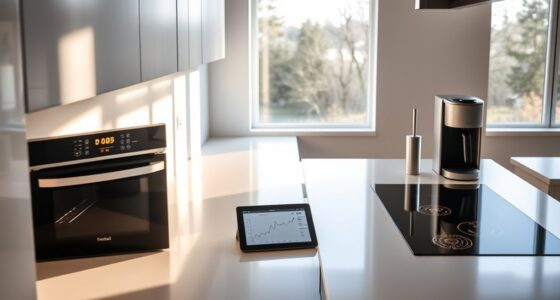
Many smart kitchen gadgets, like air fryers, refrigerators, and voice organizers, promise convenience but often invade your privacy or waste your money. You might not need features that record conversations, track your food habits, or complicate simple tasks. Some devices can be hacked or send your data to third parties without your knowledge. If you want to avoid these pitfalls, keep exploring to find out which gadgets are truly worth your time and money.
Key Takeaways
- Many smart kitchen gadgets compromise privacy by collecting data or listening in without clear benefits.
- Some devices, like smart refrigerators, pose security risks if hacked or misused.
- Voice-activated tools may record sensitive conversations and increase vulnerability to breaches.
- Gadgets such as electric salt grinders and pasta tools often add cost without offering significant advantages.
- The convenience of app-controlled appliances may outweigh their privacy and security concerns, making them unnecessary for many users.

Nuwave Bravo Air Fryer Toaster Smart Oven, 10-in-1 Countertop Convection, 1800 Watts, 21-Qt Capacity, 50°-450°F Temp Controls, Top and Bottom Heater Adjustments 0%-100%, PFAS Free, Stainless Steel
MAKE ADJUSTMENTS ON-THE-FLY – Want hotter temperature or need to cook it longer? No problem. Simply adjust on-the-fly...
As an affiliate, we earn on qualifying purchases.
Smart Air Fryers: Convenience or Privacy Nightmare?
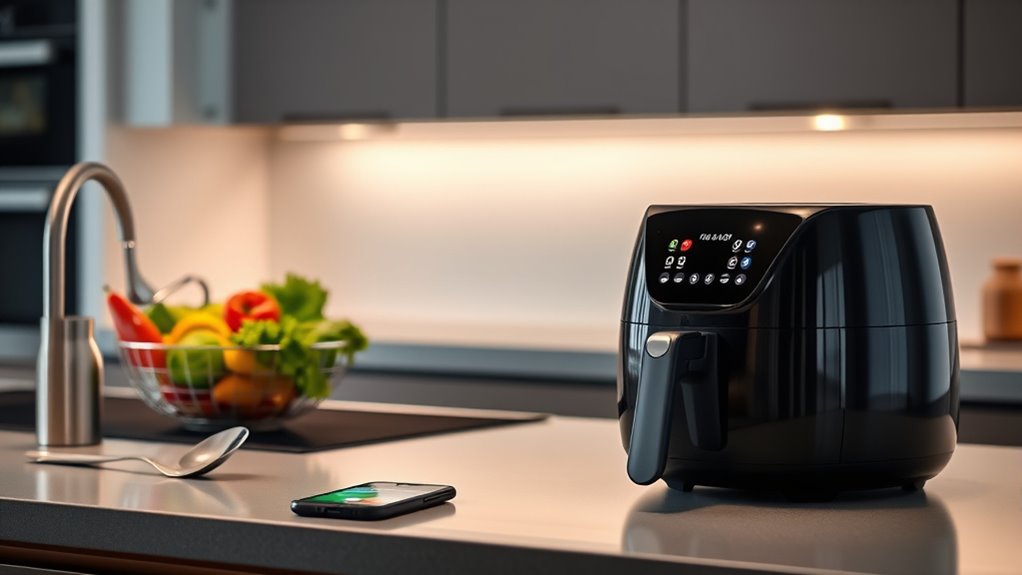
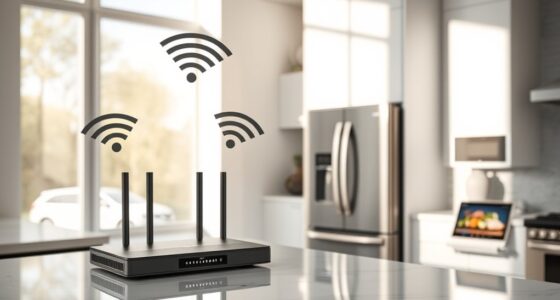
Smart air fryers promise convenience with their app-controlled cooking and customizable settings, but they come with significant privacy concerns. When you connect these devices to your Wi-Fi, they often request intrusive permissions like audio recording and precise location tracking. Your usage data may be transmitted to third-party trackers such as Facebook and TikTok, raising questions about how your information is used. Investigations have revealed that some models send data to servers in China, adding another layer of concern. Additionally, these devices can accidentally listen in during non-cooking times, potentially eavesdropping on your conversations. Vetted While they simplify meal prep, the hidden cost might be your privacy. You could be unknowingly sharing more than you realize, leading to potential misuse or data breaches. The privacy implications of such devices extend beyond simple inconvenience, posing real risks to personal security.
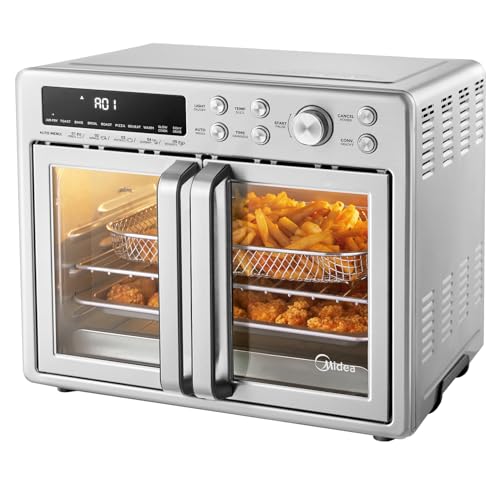
Midea Flexify French Door Toaster Oven Air Fryer Combo, 26.4 QT, Extra Large Air Fryer Countertop Oven 10-in-1 Combo, 25% Faster Cooking and 90% Less Oil, Stainless Steel
Cyclone Air Fryer: Enjoy 25% faster cooking and 90% less oil compared to traditional fryers, . This all-in-one...
As an affiliate, we earn on qualifying purchases.
The Hidden Dangers of Smart Refrigerators

Have you considered how your refrigerator’s connected features could compromise your privacy? Smart refrigerators track your food inventory, monitor consumption, and may even analyze your shopping habits. This data can be sold to third parties or used for targeted advertising, raising privacy concerns. Additionally, these devices are vulnerable to hacking; a breach could expose your personal information or give cybercriminals control over your appliance. Wi-Fi connectivity increases your risk of cyberattacks, especially if security isn’t robust. While collecting data on your dietary habits might seem harmless, it’s sensitive information that you might not want shared without your consent. The security vulnerabilities of smart fridges are a significant concern for many users. Moreover, the connected nature of these devices means they are part of the broader internet ecosystem, which can amplify potential security issues. This interconnectedness can also lead to privacy breaches that are difficult to control or undo. In fact, some smart refrigerators gather user behavior data that can be exploited if not properly protected. The privacy implications extend beyond individual devices, affecting the overall security of your home network. Ultimately, the convenience of a smart fridge can come at the expense of your privacy and security, making it a hidden danger in your kitchen.

Emeril Lagasse Extra Large French Door Air Fryer Toaster Oven Combo, 24 Cooking Functions and Digital Controls, 7 Accessories Included, Stainless Steel Finish, 26QT Capacity
A VERSATILE AIR FRYER AND MULTI-COOKER COMBO: Elevates practically any meal, from air frying quick after-school snacks to...
As an affiliate, we earn on qualifying purchases.
Voice-Activated Grocery Organizers: Listening in on Your Life

Voice-activated grocery organizers are designed to make shopping lists and meal planning more convenient, but they come with significant privacy risks. Your microphone is always listening, even when you’re not actively using the device, raising concerns about constant eavesdropping. Voice data is stored on cloud servers, which can be misused or hacked, exposing private conversations. Accidental activations may record sensitive moments or personal details you didn’t intend to share. Plus, these devices rely heavily on smartphone apps for core functions, making your household’s information vulnerable to breaches. While they promise hands-free convenience, the trade-off is your privacy. You might find that the level of data collection outweighs the practical benefits, especially when traditional list-making methods are simpler and safer. Furthermore, concerns about listening on water and other smart device vulnerabilities highlight the importance of privacy in connected household gadgets. Additionally, the ongoing data collection by these devices can lead to long-term privacy erosion, making it crucial to weigh their benefits against potential risks. Moreover, understanding spiritual awakening can help you recognize the importance of safeguarding your personal information in a digital age. For example, being aware of privacy implications can help you make more informed choices about using such technology. It’s also important to consider cybersecurity measures that can help protect your data from unauthorized access.

Breville BOV860BSS Smart Oven Air Fryer and Convection Oven, Brushed Stainless Steel
The Breville Smart Oven Air Fryer and Convection Oven with Element iQ System delivers top performance and versatility;...
As an affiliate, we earn on qualifying purchases.
Costly and Unnecessary: Electric Salt and Pepper Grinders

While voice-activated devices raise privacy concerns, equally questionable are electric salt and pepper grinders, which often add little value to your kitchen. These gadgets come with higher prices—typically $30 to $50—and tend to break down easily due to their motors and batteries. You might find the LED lighting features flashy but unnecessary, offering no real benefit during cooking. Additionally, they don’t save you much time compared to manual grinding, making their cost hard to justify. Frequent replacements become a hassle, especially when mechanical parts fail. Plus, they take up space and add clutter. In the end, a simple manual grinder does the job just as well, with no added expense or frustration. Durability and longevity are often overlooked but are key factors in choosing kitchen gadgets. When evaluating these tools, considering their design simplicity can help you avoid unnecessary upgrades. Moreover, many of these electronic devices lack the warranty support necessary to justify their higher costs over time. It’s also worth noting that manual grinders require no batteries or charging, reducing environmental impact and ongoing expenses. Additionally, manual options tend to have fewer moving parts, which often results in greater reliability over time.
The Overhyped Precision of Pasta Measuring Tools

Pasta measuring tools often promise perfect portions through precise measurements, but in reality, their accuracy is overhyped. Cooking pasta is inherently flexible; you rarely need exact weights. These gadgets can create unnecessary stress or waste time. Plus, they add extra dishes to wash, complicating simple meals. You might spend more on a tool that ends up unused after the novelty wears off. The true joy of pasta lies in enjoying it without strict rules. If your goal is a satisfying meal, trust your intuition rather than a device. Additionally, embracing flexibility in tradition can lead to more relaxed and enjoyable cooking experiences.
Frequently Asked Questions
Are There Safer, Non-Smart Alternatives to These Kitchen Gadgets?
Yes, you can opt for traditional, non-smart alternatives like manual can openers, stand-alone timers, and simple kitchen scales. These gadgets don’t require apps or data sharing, reducing privacy risks. You’ll also save money and avoid electronic failures. Plus, they often last longer and are more reliable. By choosing these straightforward tools, you keep your kitchen safe, functional, and free from unnecessary tech complications.
How Can I Protect My Privacy When Using Smart Kitchen Devices?
Think of your smart kitchen as a castle with open gates. To protect your privacy, you need to close those gates tightly. Regularly update device firmware, disable unnecessary data-sharing settings, and use strong, unique passwords. Keep your Wi-Fi on a separate network for smart gadgets, and limit microphone or camera access. By controlling who enters, you keep your castle secure and your secrets safe.
Do Smart Kitchen Gadgets Significantly Improve Cooking Efficiency?
Smart kitchen gadgets can boost your efficiency, but the improvements may not be significant. You might save a few minutes with features like automatic timers or precise measurements, but many devices, like smart air fryers or pasta tools, often add complexity without true time savings. Consider whether the convenience outweighs the costs and potential privacy issues. Sometimes, traditional methods deliver just as much efficiency without the extra fuss.
What Are the Long-Term Costs of Maintaining Smart Kitchen Appliances?
You’ll likely face ongoing costs for maintenance, repairs, and software updates, which can add up over time. Smart appliances often require regular app updates, and their electronic parts may fail prematurely, leading to replacement expenses. Additionally, you might pay for subscription services or cloud storage fees. These costs can surpass those of traditional kitchen tools, especially as devices become outdated or unsupported, making long-term upkeep more expensive than expected.
Can These Gadgets Replace Traditional Tools Without Sacrificing Quality?
You can’t fully replace traditional tools with smart gadgets without sacrificing quality. Smart appliances often lack the durability and precision of manual tools, and their reliance on software can lead to failures and obsolescence. While they offer convenience, they may not match the performance or craftsmanship of traditional options. For consistent results and long-term reliability, sticking with tried-and-true tools is usually the better choice.
Conclusion
Are these smart gadgets really making your life easier, or are they just feeding into unnecessary tech hype? While they promise convenience, they often come with hidden costs—privacy, expense, and complexity. Before you invest, ask yourself: do I truly need this feature, or am I just chasing the latest trend? Sometimes, simpler is better, and trusting your instincts can save you from regret. After all, isn’t peace of mind more valuable than the newest gadget?