TL;DR

Get kitchen gear delivered free with Prime
- Fast, free delivery on millions of items
- Prime Video, Amazon Music and more included
- Member-only deals all year
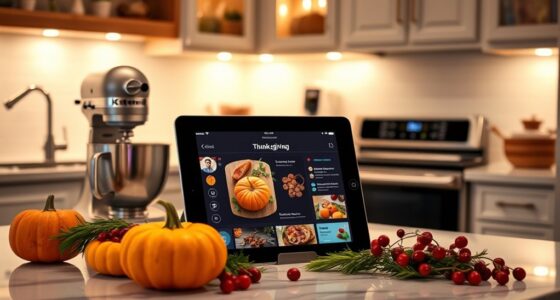
Apple’s HomeView smart display can format compatible online recipes as hands-free, step-by-step instructions. The convenience may reduce repeat visits and ad impressions for recipe publishers, while removing context that can help cooks; the scale of the impact is not yet known.
Apple’s newly announced HomeView smart display can turn compatible online recipes into hands-free, step-by-step instructions, adding a new convenience feature to a wider trend that concerns food writers. The format may cut readers’ exposure to publishers’ ads and affiliate links after the recipe is loaded, though the extent of any financial effect is not yet known.
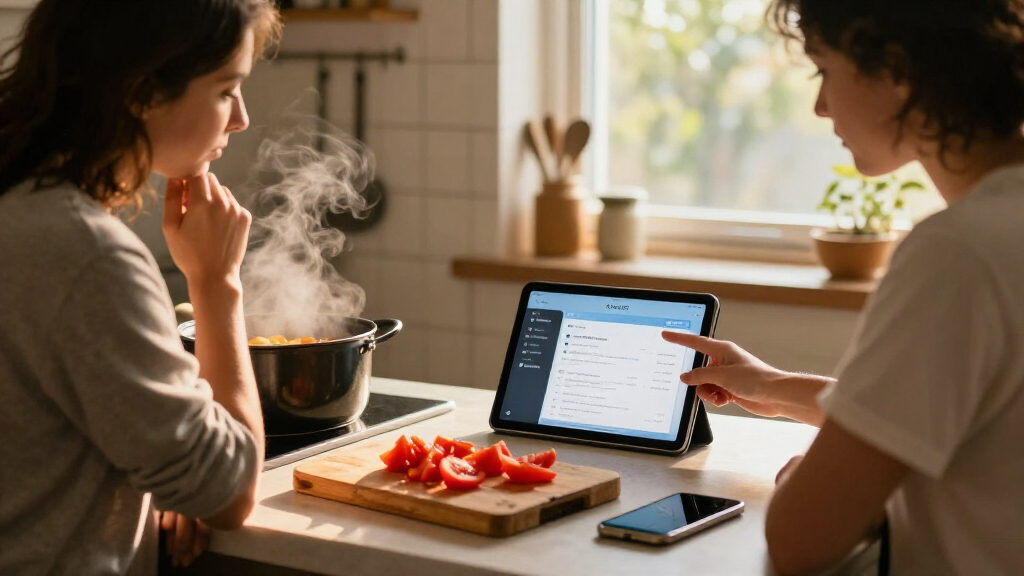
Apple showed HomeView in an advertisement following a family’s busy morning routine, with the display bringing up a French toast recipe alongside calendar and messaging features. According to The Verge’s report, users first open a recipe on an iPhone or through Safari on the display. HomeView then presents the recipe’s ingredients and directions in a simplified format, with voice controls and timers. Apple’s approach is described as working with online recipes that use Google’s search-friendly recipe formatting.
That initial visit means the recipe’s original page is opened at least once, so a reader may see its ads. But publishers often rely on repeat page views and ad impressions, as well as affiliate links, to earn revenue. The report argues that a streamlined display could reduce those later visits while people cook. It does not provide audience figures, publisher revenue data or evidence of how many HomeView owners will use the feature.
Food writers also warn that removing surrounding text can remove useful information. Eater senior reporter Bettina Makalintal told The Verge that recipe notes can help readers troubleshoot or consider ingredient substitutions. HomeView’s simplified steps may suit some dishes, but cooks could miss details elsewhere on the page that affect how a recipe works.
Recipe Convenience, Publisher Revenue
The feature brings a familiar trade-off into the kitchen: easier access for readers may mean less time spent on the original pages that fund recipe publishing. Food websites and independent writers produce and test recipes, but many offer them free to readers and depend in part on advertising and affiliate income. A tool that extracts the instructions can make the cooking experience smoother while weakening that business model if it reduces page engagement.
The concern is not limited to income. Recipe pages can contain technique explanations, substitutions and troubleshooting advice alongside ingredients and steps. Removing that material may leave a cook with less help when something goes wrong. The effect will vary by recipe, and HomeView’s format does not establish that all context is omitted in every case.
For readers, the practical question is whether convenience comes with a meaningful loss of guidance. For publishers, it is whether the required initial page visit is enough to preserve value when users may not return to the site while cooking. The report offers no data to resolve either question.
As an affiliate, we earn on qualifying purchases.
A Familiar Recipe-Format Fight
HomeView is not the first product to separate recipe instructions from the pages around them. Amazon Echo Show devices offer hands-free cooking features through partner sites such as Allrecipes and Epicurious. Google previously offered step-by-step recipes on Nest Hub displays but removed that feature in 2024, according to The Verge. The report describes Apple’s format as distinct because it can work with any online recipe using the specified structured formatting, rather than only a set of partners.
The shift also extends beyond smart displays. The Verge reports that Google Search now uses Gemini AI to assemble recipes on the results page, potentially letting users read a synthesized version without opening the original publisher’s page. In 2021, startup Recipeasly drew backlash for promising to remove ads and personal stories from online recipes, and its founders took the service offline within days. The episodes show that simplifying recipe access has repeatedly raised questions about who benefits from the work behind the instructions.
Recipe writers have also adapted to complaints about long introductions. The report notes that many food blogs include a “jump to recipe” button, allowing readers to skip directly to the instructions while keeping the full page available. The accompanying writing can also help recipes appear in search results: Makalintal told The Verge that writers were encouraged to add text to improve their chances of ranking on Google.
As an affiliate, we earn on qualifying purchases.
HomeView’s Reach Remains Unknown
The available report does not establish how many people will buy HomeView, how often they will use its recipe feature, or whether publishers will see a measurable decline in page views or revenue. Apple’s requirement that users first open the source page provides one opportunity for a visit, but the report does not quantify what that visit is worth compared with later ad impressions.
It is also unclear exactly how much accompanying information HomeView preserves for each recipe, or whether the format changes between sources. The feature’s stated compatibility with recipes using Google’s search-friendly formatting does not by itself show how reliably it will handle different layouts or recipe notes. Claims about harm to writers or readers remain concerns raised by those interviewed, not measured outcomes from HomeView’s use.
voice-controlled kitchen assistant
As an affiliate, we earn on qualifying purchases.
As an affiliate, we earn on qualifying purchases.
Usage Will Shape the Impact
The next indication of HomeView’s effect will come from its availability, adoption and actual use of the recipe feature. Publisher traffic and advertising data could show whether the initial source-page visit offsets any lost engagement later in a cooking session, but no such figures are included in the report.
Readers and recipe publishers will also be watching how Apple’s formatting presents notes, substitutions and troubleshooting advice across different websites. Until usage and publisher data emerge, HomeView is best understood as a new entry in an ongoing dispute over convenient recipe access and the online businesses that support free recipes.
As an affiliate, we earn on qualifying purchases.
Key Questions
What does Apple’s HomeView do with online recipes?
According to The Verge, it displays compatible recipes as ingredients and step-by-step directions, with voice controls and timers for hands-free cooking.
Does HomeView open the original recipe website?
Users must first open a recipe on an iPhone or through Safari on HomeView, so the source page is visited at least once. The report says that later cooking may happen in the simplified format rather than on the original page.
Why are recipe writers concerned?
Many publishers rely on advertising and affiliate links. Writers interviewed by The Verge worry that fewer repeat visits and ad impressions could reduce income, although the report provides no measured financial impact.
Could cooks lose useful information?
Potentially. Makalintal told The Verge that notes can help with troubleshooting and ingredient substitutions. How much of that context HomeView retains for individual recipes is not clear from the report.
Has HomeView’s effect on publishers been measured?
No figures on HomeView adoption, publisher traffic or revenue are provided. The scale of any impact remains unknown until usage and publisher data become available.
Source: rss
Halloween Picks
halloween
As an affiliate, we earn on qualifying purchases.