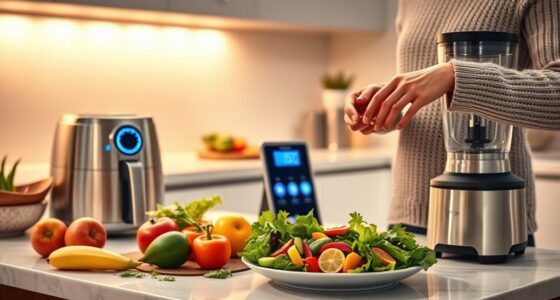
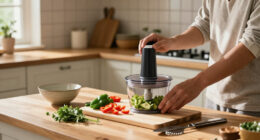
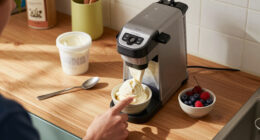
Smart kitchen technology makes cooking easier for you by offering voice-controlled appliances, automated systems, and adaptive tools tailored for limited mobility or strength. You can use smart lighting, visual cues, and tactile alerts to stay safe and organized. Remote monitoring and assistance tools help you manage tasks confidently. Together, these innovations promote independence and safety in the kitchen. Discover how these smart solutions can transform your cooking experience as you explore more details.

Get kitchen gear delivered free with Prime
- Fast, free delivery on millions of items
- Prime Video, Amazon Music and more included
- Member-only deals all year
Key Takeaways
- Voice-activated controls enable hands-free operation of appliances and lighting, reducing physical effort for users with disabilities.
- Adaptive tools and ergonomic utensils improve safety, grip, and control during meal preparation activities.
- Automated systems and robotic assistance simplify complex tasks like ingredient handling and cooking processes.
- Visual cues, alarms, and sensor alerts enhance safety, reduce confusion, and provide clear feedback during cooking.
- Smart home integration offers seamless device management and remote monitoring, supporting independence and confidence in the kitchen.
voice activated kitchen appliances
As an affiliate, we earn on qualifying purchases.
As an affiliate, we earn on qualifying purchases.
Voice-Activated Appliances and Controls
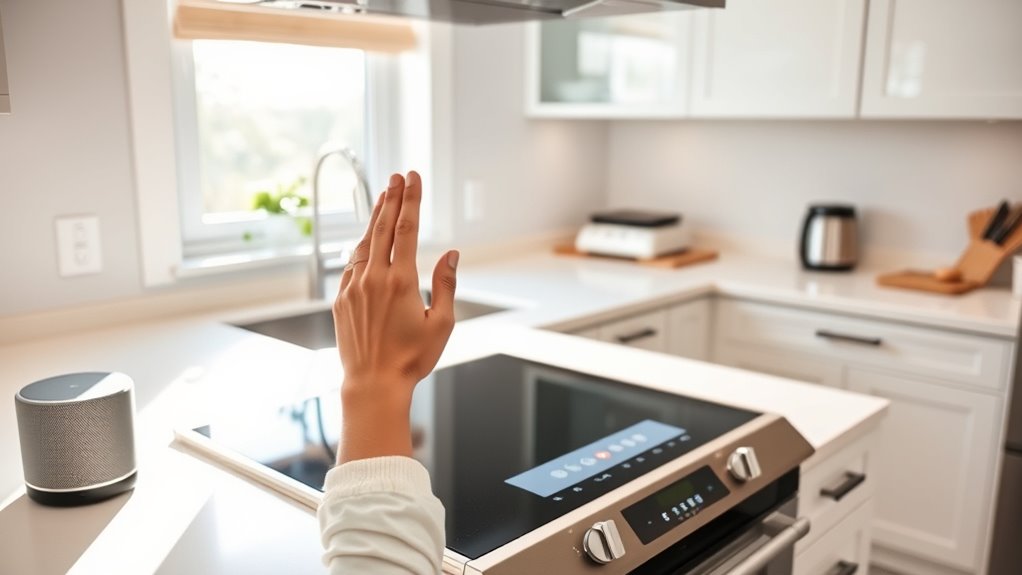
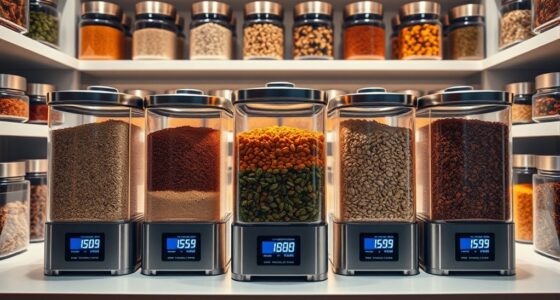
Voice-activated appliances and controls are transforming how people with disabilities manage their kitchens. With these tools, you can easily operate lights, appliances, and faucets just by speaking, reducing the need for manual effort. Smart storage systems integrated with voice commands help you locate items quickly, streamlining your cooking process. Ingredient tracking becomes more efficient when you can verbally ask for what’s available or what to add next. For example, you might say, “Show me the ingredients I have,” and the system provides a list, making meal prep more manageable. This hands-free approach minimizes physical barriers, giving you greater independence and confidence in your kitchen. Additionally, understanding assistive technology can help you make informed choices about adopting these innovations. Voice controls make everyday tasks simpler, allowing you to focus more on cooking and less on maneuvering gadgets. Incorporating adaptive kitchen tools further enhances safety and ease of use for individuals with diverse needs. Leveraging integrated smart systems can also optimize overall kitchen accessibility and efficiency. Exploring smart home integration can enhance the seamless operation of these devices, creating a more accessible cooking environment. Moreover, user-centered design ensures that these technologies are tailored to meet individual needs, promoting greater usability and comfort.
adaptive ergonomic utensils for disabilities
As an affiliate, we earn on qualifying purchases.
As an affiliate, we earn on qualifying purchases.
Automated Cooking Systems and Robots

Automated cooking systems and robots are transforming how you prepare meals, making the process more accessible and efficient. With accessible automation features, you can control and customize your cooking experience with ease. Robot-assisted meal prep takes the effort out of cooking, letting you focus on enjoying your food. These innovations leverage connected appliances to provide seamless integration and remote management, enhancing convenience for users with disabilities. Additionally, these systems often incorporate thermal behavior understanding to ensure precise temperature control, which is crucial for consistent results and safety. Incorporating smart home technology further allows for personalized adjustments and easier operation, especially for those with mobility or dexterity challenges. Using power tools and equipment designed specifically for accessibility can further streamline the setup and maintenance of these smart systems, ensuring they are reliable and safe to operate. Moreover, the development of adaptive interfaces helps make these devices more user-friendly for individuals with diverse needs.
Accessible Automation Features
Accessible automation features, such as cooking systems and robots, are transforming how people with disabilities prepare meals. These innovations seamlessly integrate with your smart appliances, creating a more intuitive cooking experience. You can control devices through voice commands or smartphone apps, reducing physical effort. Additionally, kitchen layout modifications, like lowered countertops and accessible storage, complement automation to enhance safety and convenience. This technology allows you to focus more on the cooking process rather than maneuvering complex equipment. Incorporating assistive technology into kitchen design can further support independence and ease of use. Moreover, universal design principles help ensure that kitchen spaces are adaptable for various needs and abilities. Implementing smart home integration can further enhance accessibility, allowing for more seamless operation of multiple devices. Embracing compact living with automation and thoughtful design helps make kitchens more inclusive and adaptable for all users. By combining automation with thoughtful design, your kitchen becomes a more inclusive space.
Robot-Assisted Meal Prep
Robot-assisted meal prep systems are revolutionizing how you cook by handling complex tasks with minimal effort. These automated cooking systems can follow your specific cooking preferences, ensuring your meals are prepared just the way you like. They manage ingredient handling and measurement precisely, reducing the need for manual effort and minimizing waste. With intelligent ingredient management, these robots can identify, retrieve, and add ingredients automatically, making meal prep faster and more accurate. You can customize recipes or select from pre-programmed options, giving you control over your meals without the physical strain. This technology not only simplifies cooking but also boosts confidence, allowing you to enjoy homemade meals with less effort, all while accommodating your unique needs and preferences. Simple systems help create a more organized and accessible kitchen environment for everyone, emphasizing assistive technology that enhances independence in the kitchen. These advancements are part of a broader trend towards accessible cooking solutions that support diverse user needs. Additionally, these systems often feature user-friendly interfaces to ensure ease of use for individuals with varying levels of technological familiarity. Integrating smart home connectivity can further streamline the cooking process by allowing remote operation or integration with other devices.
smart kitchen automation systems
As an affiliate, we earn on qualifying purchases.
As an affiliate, we earn on qualifying purchases.
Smart Lighting and Visual Cues

Smart lighting and visual cues can make your kitchen safer and more accessible. With adaptive controls, you can customize lighting to suit your needs, while visual signals guide you through tasks easily. These features also provide clear safety indicators, helping prevent accidents and ensuring confidence in your daily routines. Incorporating Free Floating elements into your kitchen design can further enhance flexibility and safety. Utilizing visual alerts can quickly draw your attention to potential hazards or important updates, adding an extra layer of safety. Additionally, understanding digital distractions can help you minimize interruptions, making your kitchen environment more focused and secure. Implementing energy-efficient ceiling fans with proper downrod installation can also improve air circulation and comfort during cooking, reducing reliance on other appliances and creating a more pleasant environment. Moreover, awareness of cookie categories can assist in managing your privacy preferences effectively.
Adaptive Lighting Controls
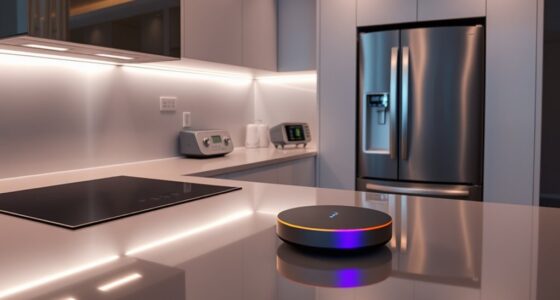
Adaptive lighting controls utilize smart lighting systems and visual cues to help you navigate your kitchen safely and efficiently. By integrating sensors, these systems detect movement and adjust lighting automatically, reducing the need for manual switching. This sensor integration enhances safety by illuminating areas only when needed, preventing trips or falls. Plus, this setup boosts energy efficiency by avoiding unnecessary lighting when the kitchen is unoccupied. You can customize lighting levels for different tasks, making cooking easier and more comfortable. Smart lighting can also change color or brightness to signal important alerts or provide visual cues. Overall, adaptive lighting controls create a safer, more accessible kitchen environment tailored to your needs.
- Motion sensors activate lights as you move
- Customized lighting for specific tasks
- Automatic dimming for energy savings
- Visual cues for alerts and reminders
Visual Cues for Tasks
Building on adaptive lighting controls, visual cues enhance task completion by providing clear, immediate signals through lighting changes. Smart lighting systems can respond to your gestures, such as pointing or waving, to indicate when a task is ready or needs attention. For example, lights may flash or change color to signal the next step, guiding you effortlessly. Tactile feedback also plays a role, where subtle vibrations or textured surfaces confirm actions like turning on a stove or opening a drawer. These cues reduce confusion and help you stay oriented in the kitchen. By combining gesture recognition with visual signals and tactile feedback, smart kitchen tech creates an intuitive environment that supports independence and confidence during cooking.
Enhanced Safety Indicators
How can you guarantee safety in your kitchen with the help of technology? Enhanced safety indicators, like smart lighting and visual cues, play a crucial role. Sensor alerts can detect hazards such as smoke, gas leaks, or spills, instantly notifying you and activating visual signals. These cues help you respond quickly, reducing risks. Many systems integrate emergency protocols, guiding you through safety procedures or alerting emergency services if needed. Smart lighting can alert you to dangerous situations with flashing lights or color changes, ensuring you notice hazards even if you can’t hear alarms. By combining sensor alerts, visual cues, and emergency protocols, these tech solutions create a safer cooking environment tailored to your needs.
- Smoke and gas leak sensors with visual alerts
- Emergency protocol guidance systems
- Automated lighting for hazard detection
- Real-time sensor alerts for instant responses
robotic cooking assistance devices
As an affiliate, we earn on qualifying purchases.
As an affiliate, we earn on qualifying purchases.
Adaptive Utensils and Kitchen Tools

Specialized utensils and kitchen tools are transforming the way people with disabilities cook and eat. They often feature ergonomic handles that fit comfortably in your hand, reducing strain and increasing control. Textured grips make it easier to hold utensils securely, even if you have limited strength or dexterity. These adaptations help you perform everyday tasks like chopping, stirring, and serving with less effort and frustration. Designed with your needs in mind, they prevent slipping and enhance safety, giving you more independence in the kitchen. Whether you struggle with fine motor skills or limited grip strength, these tools make preparing meals more manageable and enjoyable. By incorporating ergonomic handles and textured grips, adaptive utensils empower you to cook more confidently and safely.
Remote Monitoring and Assistance Technologies
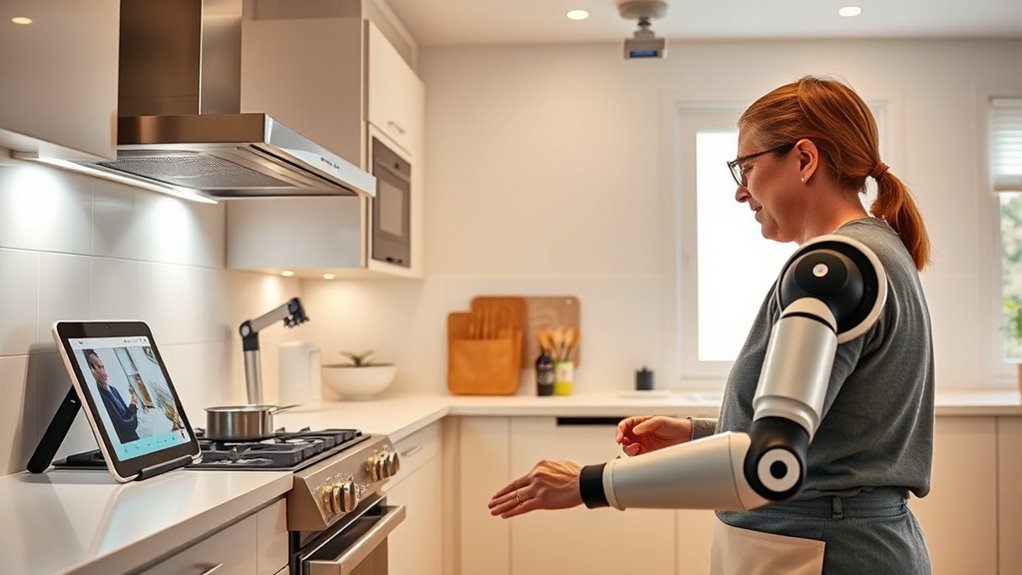
Remote monitoring and assistance technologies are revolutionizing how people with disabilities manage their kitchens by providing real-time support and safety oversight. These tools let you stay connected with caregivers or support teams, ensuring safety during cooking and simplifying tasks like grocery shopping. They can also help you optimize your kitchen layout, making it easier to reach appliances or ingredients. With these systems, you can receive guidance on handling appliances or steering your space without constant supervision. This technology reduces anxieties around safety and independence, allowing you to cook more confidently.
- Receive alerts if appliances are left on or unsafe conditions arise
- Use live video feeds to get immediate help during cooking
- Get step-by-step instructions tailored to your kitchen layout
- Streamline grocery shopping with remote inventory monitoring
Customizable Interfaces for Accessibility
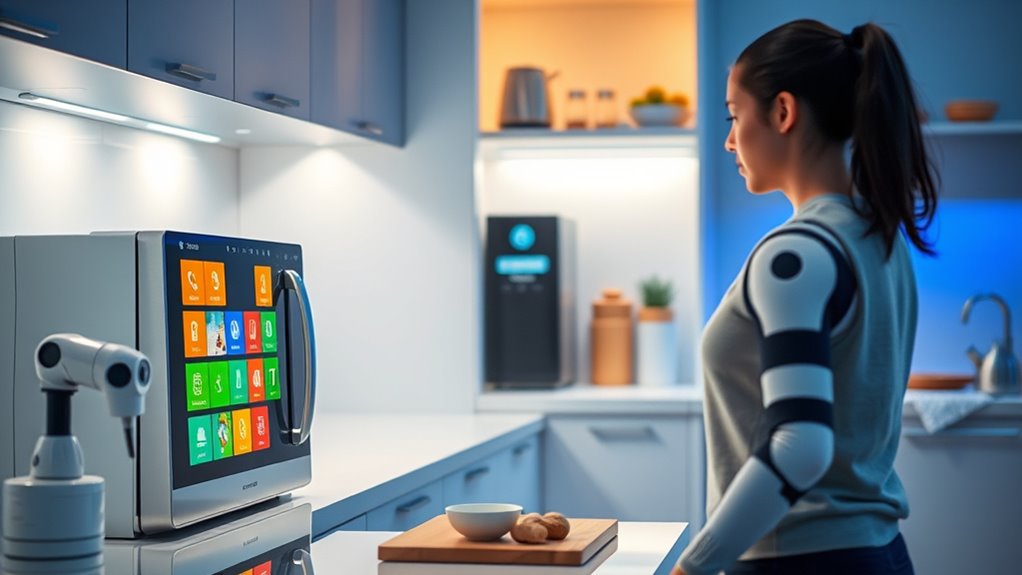
Customizable interfaces play a crucial role in making kitchen technology accessible to everyone. With options like gesture controls and tactile feedback, you can tailor devices to your needs. For example, gesture controls let you operate appliances with simple hand movements, reducing the need for fine motor skills. Tactile feedback provides physical sensations that confirm your actions, enhancing confidence. You can adjust screen sizes, button layouts, or voice prompts to suit your preferences. This flexibility guarantees you’re not limited by standard designs. Here’s a quick look at some customizable features:
| Feature | Function | Benefit |
|---|---|---|
| Gesture controls | Hand movements to control devices | Easy operation, no fine motor needed |
| Tactile feedback | Physical confirmation signals | Ensures accurate commands |
| Adjustable UI | Custom screen layouts | Easy navigation |
| Voice prompts | Audio instructions | Hands-free operation |
| Brightness & contrast | Visual adjustments | Better visibility |
Future Trends in Inclusive Kitchen Design

Advancements in technology are shaping how future kitchen designs will prioritize inclusivity and accessibility. You’ll see smarter layouts that blend form and function through innovative smart kitchen aesthetics, making spaces more inviting. Energy-efficient appliances will become standard, reducing costs and environmental impact while simplifying operation. Future designs will focus on seamless integration of voice control and automation, so you can easily manage tasks without physical effort. Adaptive features like adjustable countertops and sensor-activated fixtures will cater to diverse needs. Additionally, modular components will allow customization, ensuring your kitchen fits your specific requirements. These trends aim to create environments where everyone, regardless of ability, can cook safely and independently, making inclusive living more achievable than ever.
Frequently Asked Questions
How Affordable Is Smart Kitchen Technology for Individuals With Disabilities?
Smart kitchen tech varies in affordability, but you’ll find options that fit different budgets through careful cost analysis. Many devices, like voice-activated controls or automated appliances, are increasingly affordable, especially with financing or discounts for disabled individuals. Exploring affordability options, such as grants or assistance programs, can make these technologies more accessible. Overall, smart kitchen tech is becoming more budget-friendly, helping you enjoy easier cooking without breaking the bank.
What Training Is Needed to Operate These Smart Kitchen Devices?
Mastering smart kitchen devices takes minimal training. You’ll find that user training emphasizes easy-to-understand instructions, focusing on accessibility standards to guarantee everyone can operate the tech confidently. Often, manufacturers provide tutorials, manuals, and support to help you familiarize yourself with functions like voice commands or app controls. With a little practice, you’ll effortlessly navigate these devices, making cooking safer, simpler, and more satisfying while staying compliant with accessibility standards.
Are Smart Kitchen Technologies Compatible With Existing Home Systems?
Yes, smart kitchen technologies are compatible with existing home systems through smart home integration. You can connect devices easily, thanks to advanced interoperability features that guarantee devices work seamlessly together. Most smart appliances support popular platforms like Alexa, Google Home, or Apple HomeKit, allowing you to control everything with a simple voice command or app. This compatibility makes it easier for you to manage your kitchen, especially if you use assistive technologies.
How Secure Is Data Privacy With Remote Monitoring Tools?
Data privacy with remote monitoring tools is generally secure if manufacturers use strong data encryption methods. You can trust that your information stays protected during transmission and storage. However, it’s essential that you provide clear user consent before any data collection begins. Always review privacy policies and settings, so you stay informed about how your data is used and can manage your privacy preferences effectively.
Can These Technologies Be Customized for Different Types of Disabilities?
Yes, these technologies can be customized for different disabilities. You’ll find many smart kitchen devices offering flexible customization options and accessibility features tailored to your needs. For example, you can adjust voice commands, screen displays, or sensor sensitivities to suit your specific challenges. This personalization makes cooking easier and more comfortable, ensuring that the smart kitchen tech adapts seamlessly to your unique requirements and enhances your independence in the kitchen.
Conclusion
With smart kitchen tech, you’re breaking down barriers and opening up new possibilities in cooking. These innovations make the kitchen more accessible, turning challenges into opportunities. As the saying goes, “where there’s a will, there’s a way,” and with these tools, you’re proving that with the right support, anything’s possible. Embrace these advancements, and you’ll find cooking becomes not just easier but truly empowering.
Halloween Picks
halloween
As an affiliate, we earn on qualifying purchases.