Only technicians with specialized training, certifications, and experience in electronics, networking, and firmware troubleshooting can effectively repair modern smart appliances. These devices require skills in diagnosing connectivity issues, updating firmware, managing wires, and understanding smart home integrations. Basic skills alone often aren’t enough to handle complex circuits or software problems. If you want to learn about building the right expertise, there’s more to explore on what it really takes to succeed in this evolving field.
Key Takeaways
- Repairing smart appliances requires specialized knowledge of electronics, wireless protocols, firmware, and network diagnostics beyond basic skills.
- Certified technicians with manufacturer-specific training are better equipped to handle complex smart device issues.
- General technicians can perform simple repairs but may lack the expertise for advanced connectivity and software troubleshooting.
- Continuous education in emerging technologies is essential for effective repair of smart appliances.
- Clients often prefer certified specialists for complex repairs to ensure reliability and manufacturer warranty compliance.
The Evolution of Appliance Repair Skills
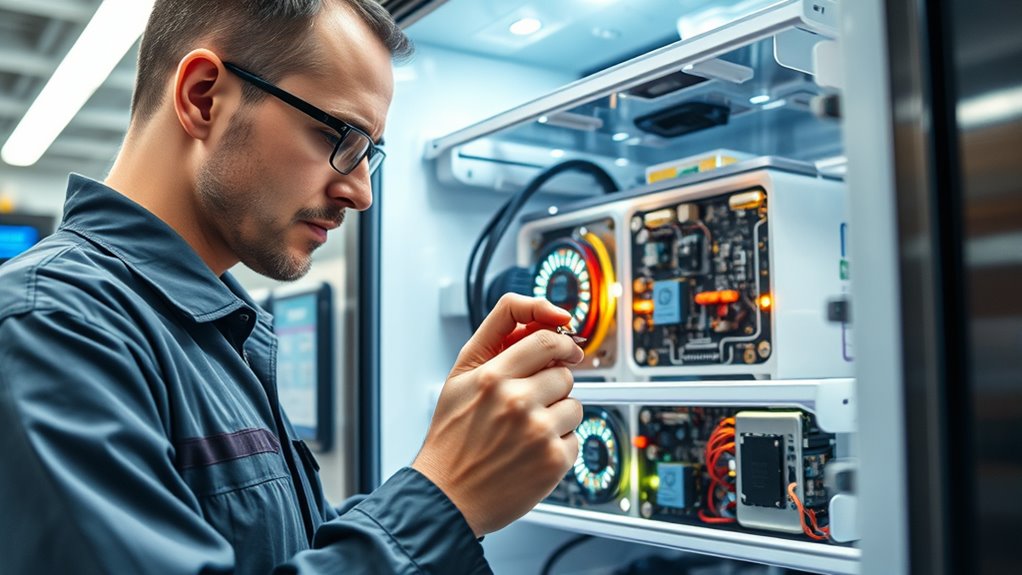
The skills required for appliance repair have evolved considerably as technology advances. You used to rely mainly on mechanical and basic electrical knowledge to fix appliances. Now, you need to understand complex electronic systems, microprocessors, and wireless communication protocols like Wi-Fi and Bluetooth. Troubleshooting has become more software-driven, requiring you to interpret error codes and update firmware. Connectivity issues demand network testing skills, while integrating mobile apps and home automation systems calls for specialized knowledge. Standard training programs cover only fundamental repair techniques, so continuous learning through manufacturer-specific courses and online resources is essential. As smart appliances become more prevalent, your ability to adapt and acquire advanced technical skills directly impacts your effectiveness and competitiveness in the evolving repair landscape. Additionally, familiarity with home automation integration and smart device connectivity is increasingly important for modern appliance repair professionals. To stay current, technicians must also understand cloud-based diagnostics and remote troubleshooting methods, which are now integral to maintaining smart appliances. Moreover, staying informed about software updates is crucial to ensure devices operate securely and efficiently. Developing expertise in wireless communication protocols can significantly enhance troubleshooting efficiency and repair accuracy. Staying updated on emerging technologies will help technicians anticipate future repair challenges and solutions.
Core Knowledge and Skills Needed for Smart Appliances
Mastering smart appliance repair requires you to develop a blend of technical skills that go beyond traditional mechanical and electrical knowledge. You need a solid understanding of electronics, including circuit analysis and microprocessor systems, since modern appliances rely heavily on these components. Wireless communication protocols like Wi-Fi and Bluetooth are now essential, enabling you to diagnose connectivity issues effectively. Software troubleshooting skills are essential, as firmware updates and system errors often require digital expertise. Additionally, familiarity with mobile apps and home automation systems helps you interpret user interfaces and integration problems. These skills enable you to navigate complex smart technologies confidently, making you capable of diagnosing and repairing issues that traditional training doesn’t cover. This core knowledge is indispensable for providing reliable, efficient service in today’s smart appliance market. Understanding digital communication protocols is also crucial, as they form the backbone of many smart device interactions. A comprehensive grasp of network security measures is vital to protect user data and maintain device integrity during troubleshooting.
Certification Requirements for Smart Appliance Technicians
To work on smart appliances, you need more than basic certification; the required credentials vary based on the specific technology and manufacturer. You’ll find that manufacturer-specific certifications are often essential to access advanced repair tools and protocols. Staying current through ongoing training and education is vital as smart appliance technology continues to evolve rapidly. Additionally, understanding affiliate disclosure and privacy policies can impact how technicians access and share diagnostic information. Familiarity with security protocols is increasingly important to ensure safe and compliant repairs. Moreover, knowledge of network security and data encryption methods is crucial for protecting consumer information during repairs.
Certification Specificity Levels
Are you aware that certification requirements for smart appliance technicians vary widely depending on the complexity of the technology involved? You’ll find that levels of certification specificity range from basic to highly specialized. For example:
- General certifications cover fundamental electrical and mechanical skills.
- Manufacturer-specific certifications focus on particular brands and models.
- Advanced electronics certifications include circuit analysis and microprocessor troubleshooting.
- Cybersecurity and network certifications address connectivity and software issues. These advanced certifications often require a deep understanding of both hardware and software components, similar to contrast ratio considerations in projectors, which significantly impact performance.
This hierarchy reflects the increasing technical demands of smart appliances. While basic certifications prepare you for standard repairs, tackling smart technology often requires specialized credentials. These ensure you have the precise knowledge needed for diagnostics, software updates, and connectivity troubleshooting. The more complex the smart appliance, the more specific your certification needs to be. Understanding deep‑sky imaging can also involve advanced troubleshooting techniques, similar to those required for complex smart appliances.
Manufacturer Certifications Necessity
Manufacturer certifications are increasingly required for technicians working on smart appliances, especially as brands implement stricter service protocols. These certifications ensure you understand the specific hardware, software, and connectivity features unique to each brand. Without them, you might not access official diagnostic tools or receive authorization for repairs, limiting your ability to work effectively. Many manufacturers offer specialized training programs that cover firmware updates, security protocols, and mobile app integration. Earning these certifications not only confirms your technical competence but also boosts customer confidence and compliance with warranty requirements. As smart appliance technology advances rapidly, staying current with manufacturer certifications becomes essential to maintain your skills, access official resources, and meet industry standards. Additionally, understanding navigation and mapping features can be crucial for troubleshooting complex smart systems effectively. Keeping up with wireless connectivity developments is also vital to ensure compatibility and security in smart appliance repairs. Moreover, understanding vetted wave and wind technologies can improve diagnostics related to environmental interference affecting device performance. Staying informed about software updates is key to ensuring devices operate smoothly and securely over time.
Continuing Education Importance
As smart appliance technology continues to evolve rapidly, ongoing education becomes essential for technicians aiming to stay relevant. Staying current guarantees you can diagnose and repair the latest features efficiently. Continuing education helps you keep pace with new protocols, software updates, and connectivity standards. It also bolsters your credibility with customers and employers. To succeed, focus on:
- Manufacturer-specific training programs
- Online courses covering smart device integration
- Workshops on cybersecurity and network troubleshooting
- Certifications in emerging technologies like home automation
- Free Floating knowledge of network configurations and security protocols is increasingly vital for troubleshooting connected devices effectively. Developing a solid understanding of network security protocols can prevent and resolve many connectivity issues that arise with smart appliances. Moreover, understanding network architecture enables you to optimize device performance and ensure seamless integration within smart home systems. Gaining expertise in network troubleshooting allows technicians to quickly identify and resolve complex connectivity problems, reducing downtime for customers.
Engaging in these learning opportunities ensures you develop the specialized skills needed for modern smart appliances. It’s not just about keeping up; it’s about excelling in a competitive, fast-changing market. Ongoing education transforms you from a basic technician into a trusted smart appliance expert.
Specialized Training and Education Pathways
To become proficient in smart appliance repair, you need to pursue specialized training beyond basic vocational programs. Standard training covers fundamental electrical and mechanical skills, but smart appliances require knowledge of wireless protocols, microprocessor systems, and software troubleshooting. You should seek electronics courses focusing on circuits, microcontrollers, and embedded systems. Manufacturer-specific certifications, often offered through online courses or in-person training, are essential for working on particular brands. Continuing education programs keep you updated on evolving technologies and tools. Additionally, online resources, webinars, and tutorials help bridge knowledge gaps. Gaining on-the-job experience under experienced technicians also accelerates your skills. Developing expertise in airless paint sprayers and related equipment can further enhance your technical versatility. Staying current with emerging smart home technologies ensures you remain competitive in this rapidly evolving field. Understanding digital communication protocols like Zigbee and Z-Wave can also be crucial for diagnosing smart appliance connectivity issues. Moreover, engaging with industry standards and certifications can boost your credibility and ensure you adhere to best practices. Incorporating hands-on practice with wireless networking setups allows technicians to better troubleshoot connectivity problems. This targeted education ensures you can diagnose, repair, and maintain smart appliances effectively, making you a valuable specialist in a growing market.
Diagnostic Tools and Technology for Modern Appliances
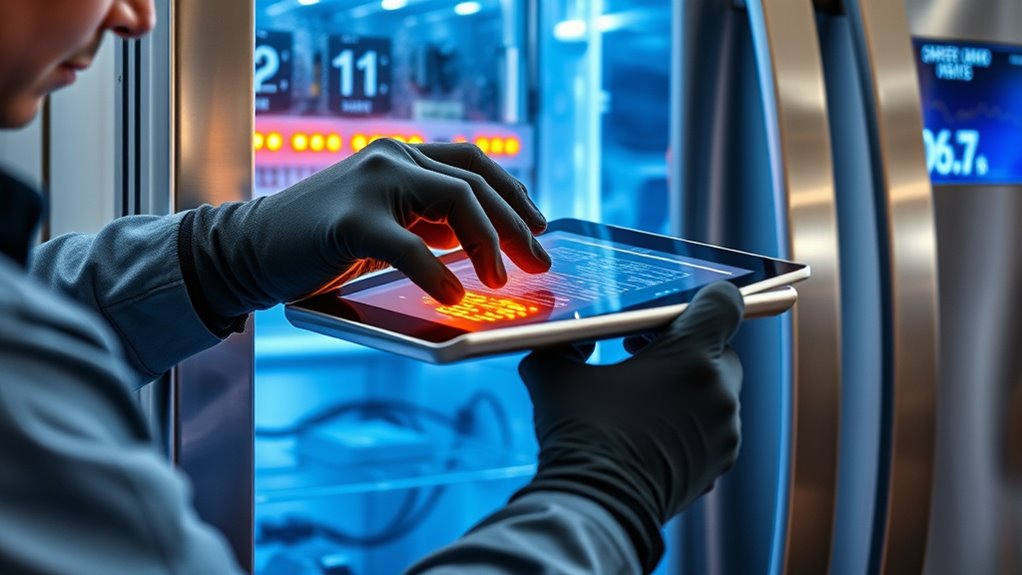
Modern appliance repair demands advanced diagnostic tools that go beyond basic hand tools. To effectively troubleshoot smart appliances, you need specialized equipment that can interpret complex systems. These include:
- Multimeters and electrical testers to check circuits and power flow
- Diagnostic computers and software interfaces for reading error codes
- Network testing tools to diagnose Wi-Fi and Bluetooth connectivity issues
- Manufacturer-specific diagnostic devices for precise troubleshooting
These tools help you identify problems quickly and accurately, especially when dealing with integrated electronics and communication protocols. Relying solely on basic tools limits your ability to diagnose modern smart devices. Investing in the right technology ensures you stay ahead in the evolving repair landscape, providing reliable service and avoiding unnecessary replacements. Mastering these tools makes you more effective and increases customer trust. Additionally, understanding the communication protocols used by smart appliances enables more efficient diagnostics and repairs.
Connectivity and Software Troubleshooting Skills
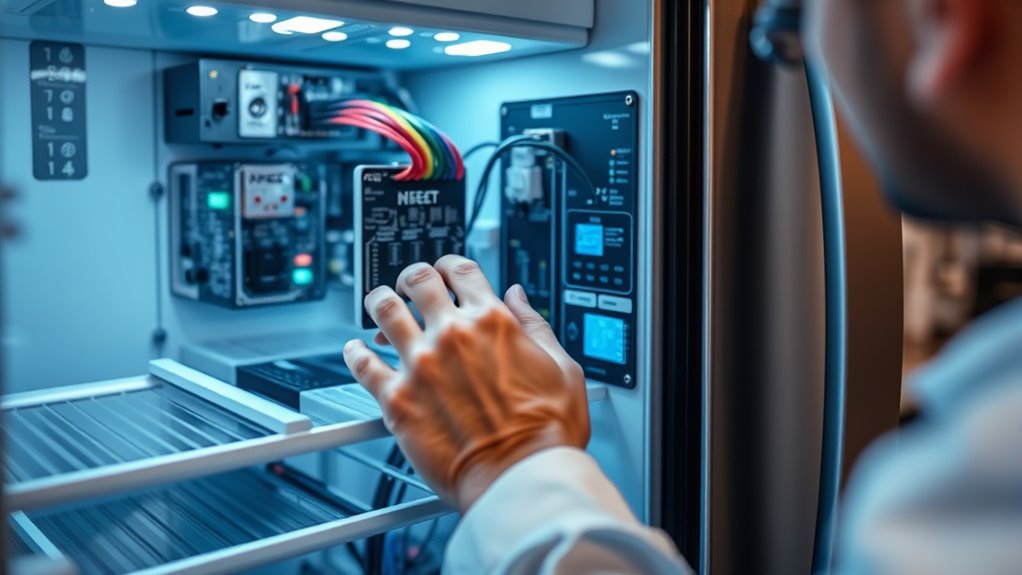
Connectivity and software troubleshooting skills are essential for diagnosing and fixing issues in today’s smart appliances. You need to understand how devices connect via Wi-Fi, Bluetooth, or Zigbee, and how to identify network problems affecting appliance performance. This involves checking signal strength, configuring routers, and ensuring proper device pairing. Firmware updates and software installations are common tasks that require precise execution to prevent further issues. You should also be able to interpret error codes from the appliance’s interface or diagnostic software. Troubleshooting mobile app integration problems, such as app crashes or sync failures, is often necessary. These skills demand familiarity with home network configurations and software environments, making them vital for effective smart appliance repair. Without them, resolving connectivity and software issues becomes markedly more challenging.
Market Demand and Opportunities for Smart Appliance Experts
As smart appliances become more common, the demand for skilled technicians is rapidly increasing. You can take advantage of higher service rates by developing specialized knowledge in this field. With manufacturers focusing on certified experts, there’s a clear opportunity for you to grow your career and earnings.
Growing Market Opportunities
The growing adoption of smart appliances has opened up significant market opportunities for technicians with specialized skills. As more homes integrate connected devices, demand for expert repair services continues to rise. Customers now expect quick, reliable fixes for issues like Wi-Fi connectivity or firmware updates. This trend creates a clear need for technicians who understand networking, software troubleshooting, and device integration. You can capitalize on this by developing your expertise in smart technology. Opportunities include:
- Serving a broader customer base seeking advanced repairs
- Commanding higher service fees due to specialized skills
- Gaining access to manufacturer-certified repair programs
- Staying ahead of competitors by mastering emerging technologies
Higher Service Compensation
With the rise of smart appliances, technicians who possess specialized skills are commanding higher service fees. Customers are willing to pay more for technicians who can troubleshoot connectivity issues, update firmware, and navigate complex home automation systems. Manufacturers increasingly restrict repairs to certified experts, creating a premium for those with advanced knowledge. Your ability to diagnose software glitches, network problems, and cybersecurity concerns adds value, often resulting in premium rates. As the market demand grows, so does your earning potential. This higher compensation reflects not only your technical expertise but also your ability to meet customers’ expectations for seamless smart appliance performance. Investing in specialized training can markedly boost your income and position you as a sought-after professional in a rapidly expanding field.
Challenges in Maintaining Up-to-Date Expertise

Staying current with smart appliance technology poses significant challenges because rapid innovation continually introduces new features, protocols, and troubleshooting techniques. You must constantly learn to keep up with evolving hardware and software updates. This requires dedication to ongoing education, including manufacturer-specific training and online resources. You also need to adapt your diagnostic tools to handle network issues and firmware updates. Additionally, staying informed about cybersecurity concerns and mobile app integration is vital.
- Regularly update your knowledge through courses and certifications
- Invest in advanced diagnostic equipment for connectivity and software testing
- Keep pace with firmware updates and security patches
- Follow industry news and manufacturer announcements to stay ahead
Making the Transition: From Basic to Smart Appliance Repair
Moving from basic appliance repair to smart appliance repair requires more than just expanding your toolkit; it demands a proactive approach to acquiring new skills and knowledge. You’ll need to learn about wireless communication protocols like Wi-Fi and Bluetooth, as well as software troubleshooting techniques. Gaining manufacturer-specific certifications can set you apart and ensure you’re qualified to handle advanced devices. Enroll in online courses, attend manufacturer training sessions, and seek mentorship from experienced smart appliance technicians. Keep up with the latest trends and technologies through industry news and forums. Building your expertise in network diagnostics, firmware updates, and home automation integration is essential. By actively seeking these learning opportunities, you’ll position yourself for successful transitions into the growing field of smart appliance repair.
Frequently Asked Questions
Do Smart Appliances Require Different Repair Tools Than Traditional Appliances?
Smart appliances do require different repair tools than traditional ones. You’ll need specialized diagnostic equipment like network testers, firmware update tools, and manufacturer-specific software interfaces. Basic hand tools aren’t enough for smart devices, which often involve complex electronics and connectivity issues. To effectively troubleshoot and repair these appliances, you must have access to advanced diagnostic tools tailored to smart technology, ensuring you can diagnose connectivity, software, and hardware problems accurately.
Can Basic Appliance Repair Certifications Qualify Me to Repair Smart Appliances?
A stitch in time saves nine, but when it comes to smart appliances, basic certifications alone won’t cut it. You might have foundational skills, but smart appliances demand more—advanced electronics, network diagnostics, and manufacturer-specific training. To truly repair these devices, you need specialized certifications and ongoing education. Without these, you risk incomplete repairs or causing further damage, so only trained specialists should handle complex smart technology issues.
Are There Online Courses Available for Advanced Smart Appliance Repair Skills?
Yes, you can find online courses that teach advanced smart appliance repair skills. These courses cover topics like network diagnostics, firmware updates, and troubleshooting connectivity issues. They’re designed to help you stay current with evolving technologies and often include manufacturer-specific training. By completing these courses, you gain valuable knowledge and credentials needed to repair smart appliances effectively, making you more competitive and capable in today’s growing market.
How Long Does It Typically Take to Become Proficient in Smart Appliance Diagnostics?
Becoming proficient in smart appliance diagnostics takes about six months to a year, depending on your prior experience. Imagine learning to navigate a new city; at first, every turn feels unfamiliar, but with practice, you find shortcuts. You’ll need hands-on training, manufacturer-specific courses, and staying current with tech updates. This journey requires dedication, but with time and effort, you’ll confidently troubleshoot connectivity, firmware, and software issues like a seasoned expert.
Is Cybersecurity Knowledge Necessary for Repairing Connected Smart Appliances?
Cybersecurity knowledge is becoming increasingly necessary when repairing connected smart appliances. You need to understand basic security principles to protect user data and prevent vulnerabilities. Troubleshooting connectivity or firmware issues often requires awareness of cybersecurity risks. By knowing these fundamentals, you can guarantee safe, secure repairs and maintain customer trust. As smart technology evolves, staying current on cybersecurity best practices will be essential for any technician working with connected appliances.
Conclusion
So, can any technician fix a smart appliance, or do you need to be a specialist? While basic repairs might seem straightforward, smart appliances require specialized knowledge, tools, and training. Are you willing to invest in learning the latest technology to stay ahead? Ultimately, developing the right skills can open new opportunities and guarantee your repairs are reliable. Are you ready to upgrade your expertise and meet the demands of today’s smart home market?