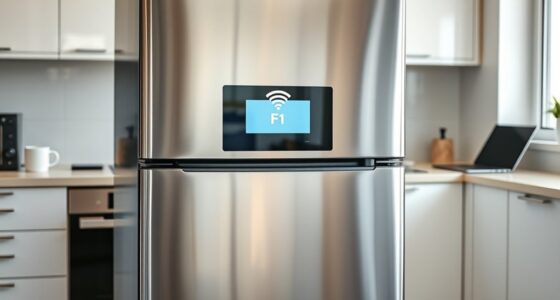
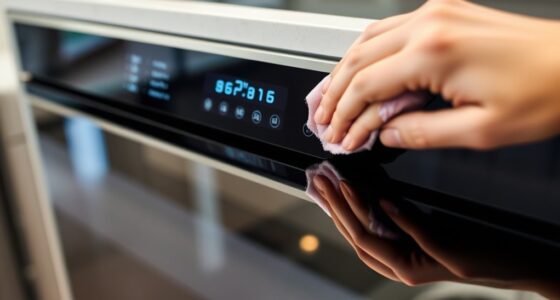
Smart appliances in your kitchen collect data on your habits, preferences, and energy use to optimize performance, but they can also pose privacy risks. Unencrypted data sharing, unexpected network activity, or lack of clear consent are signs your devices might be spying on you. To protect yourself, disable unnecessary features, secure your Wi-Fi, and stay informed about privacy settings. If you’re concerned about privacy, exploring these topics further will help you stay in control of your smart home.

Get kitchen gear delivered free — and shop member deals
- Fast, free delivery on millions of items
- Access to Prime Big Deal Days deals on October 6–7
- Prime Video, Amazon Music and more included
Key Takeaways
- Smart appliances collect data on your habits but often lack transparent privacy policies and user control.
- Encryption and active permission management are crucial to protect your data from unauthorized access.
- Voice recognition features may inadvertently record sensitive conversations, raising privacy concerns.
- Regularly review and update device security settings to prevent vulnerabilities and potential spying.
- Future regulations will enforce stricter transparency and security standards for connected kitchen devices.
smart appliance privacy protection
As an affiliate, we earn on qualifying purchases.
As an affiliate, we earn on qualifying purchases.
How Smart Appliances Collect and Use Data

Smart appliances gather data by continuously monitoring your usage patterns and device performance. They collect information like your cooking habits, energy consumption, and preferences to optimize functionality. To protect this sensitive data, manufacturers implement data encryption, ensuring your information stays secure during transmission and storage. Importantly, they also require your user consent before collecting data, giving you control over what’s shared. This process involves clear communication about what data is being gathered and how it will be used. By actively managing permissions, you can decide which devices access your information. While this data collection aims to improve your experience, understanding how your information is handled helps you stay informed and confident about your privacy in a connected kitchen. Data security protocols are also crucial in safeguarding your privacy from potential breaches. Additionally, being aware of privacy policies helps you understand your rights and the company’s responsibilities regarding your data. Understanding data collection practices can also help you identify potential risks to your privacy and take steps to mitigate them. Recognizing the importance of user control options allows you to customize your privacy settings effectively. Furthermore, educating yourself about smart device vulnerabilities can help you implement additional security measures to protect your personal information.
encryption-enabled smart home devices
As an affiliate, we earn on qualifying purchases.
As an affiliate, we earn on qualifying purchases.
Potential Privacy Risks in the Modern Kitchen
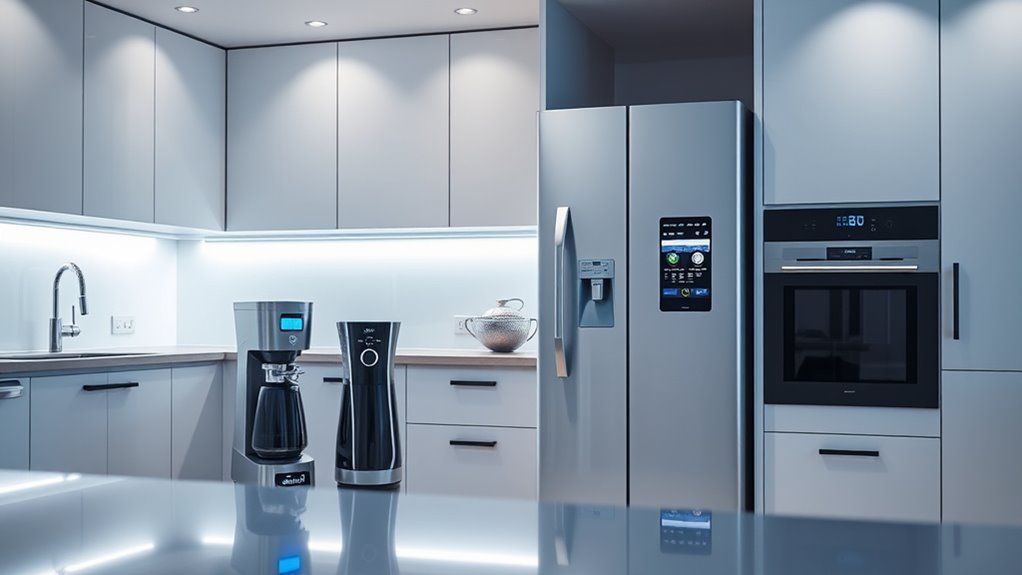
As kitchens become more connected, the risk of privacy breaches increases, exposing your personal data to potential threats. Voice recognition features, while convenient, can inadvertently record sensitive conversations if not properly protected. Hackers might exploit vulnerabilities to access this data or even control your appliances remotely. Additionally, if your devices lack robust data encryption, your personal information remains vulnerable during transmission and storage. Without proper safeguards, your routines, preferences, and even conversations could be exposed or misused. It’s essential to understand these risks and ensure your smart appliances use strong encryption methods and secure voice recognition systems. Understanding device vulnerabilities can help you take proactive steps to protect your privacy in the digital age. Furthermore, many devices lack adequate security protocols, making them easier targets for cyberattacks. Implementing regular firmware updates and strong, unique passwords can significantly reduce these risks. Staying informed about privacy best practices is crucial for maintaining your security in a connected kitchen environment. Being aware of security vulnerabilities can further help you identify potential threats before they compromise your privacy.
As an affiliate, we earn on qualifying purchases.
Recognizing Signs of Unwanted Data Sharing
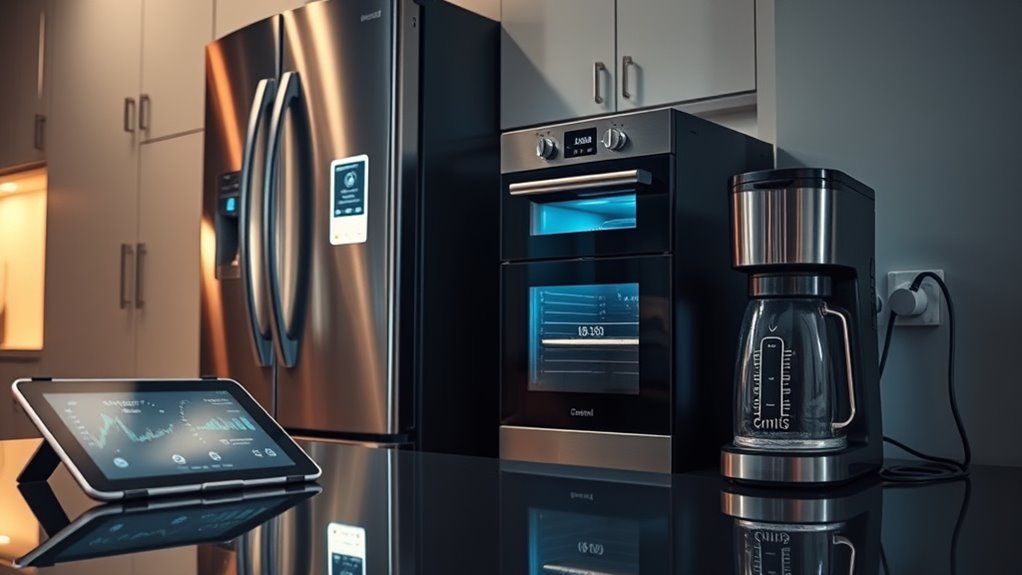
Detecting if your appliances are sharing data without your consent is essential for maintaining your privacy. Look for signs such as unusual network activity or unexpected device responses, which could indicate unwanted data sharing. Pay attention to whether your appliance’s data transmissions are encrypted with data encryption, ensuring your information stays secure. If an appliance operates without clear user consent or prompts for permission before sharing information, that’s a red flag. You should also review privacy settings regularly to verify what data is being collected and shared. Being proactive helps prevent hidden data leaks and keeps your personal info safe. Monitoring European cloud services can also help ensure that your data is stored and transmitted through trusted and secure channels. Additionally, understanding the free floating nature of some data can help you recognize how easily information might be accessed or exploited without proper safeguards. Recognizing passive data collection techniques can further assist in identifying covert data sharing practices. Staying informed about data privacy practices can empower you to take control of your personal information and prevent unauthorized access.
voice recognition privacy protection
As an affiliate, we earn on qualifying purchases.
As an affiliate, we earn on qualifying purchases.
Tips to Protect Your Privacy at Home
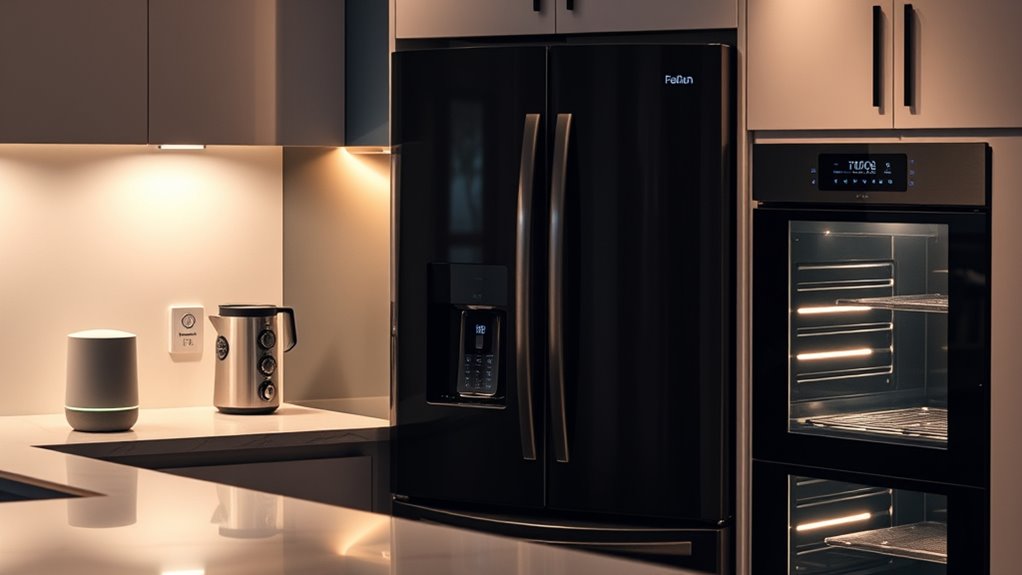
To protect your privacy at home, it’s crucial to take proactive steps to control your devices’ data sharing. Begin by reviewing your smart appliances’ settings, and disable voice recognition features if you’re uncomfortable with them listening constantly. This minimizes the risk of unintended data collection. Additionally, make sure your Wi-Fi network uses strong encryption protocols, like WPA3, to prevent unauthorized access. When possible, enable data encryption options offered by your devices or network to safeguard your information in transit. Regularly update your appliances’ firmware to patch security vulnerabilities. Limit the amount of personal information you share during device setup, and consider using separate networks for smart devices. Understanding the field-of-view of your devices can help you better control what areas are monitored or exposed, further enhancing your privacy. Familiarizing yourself with the device security settings can also help you tailor privacy controls to your comfort level. Conducting a security audit of your connected devices periodically can reveal potential vulnerabilities before they are exploited. Being aware of the privacy policies associated with your smart appliances ensures you’re informed about how your data is handled. Implementing security best practices can significantly reduce the risk of privacy breaches. These simple measures help you maintain greater control over your privacy in your high-tech kitchen.
Future Trends and Regulations in Smart Home Security
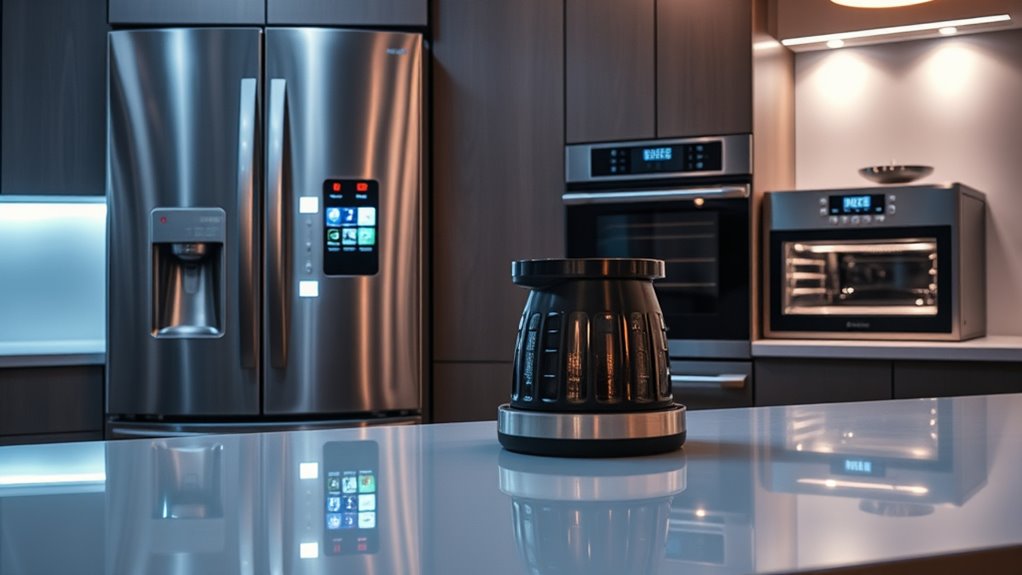
The future of smart home security is shaped by evolving technologies and increasing regulatory focus aimed at protecting user privacy. As devices become smarter, data ownership will become a key concern, with regulations clarifying who controls your information. Expect more all-encompassing regulatory frameworks that enforce transparency and security standards for manufacturers. These changes aim to give you greater control over your data and prevent misuse. The importance of detecting passive voice in clear communication will also grow as regulations demand more transparent disclosures from device makers. Additionally, privacy-preserving technologies will play a pivotal role in safeguarding user data amidst these regulatory developments.
- Stricter laws on data ownership and user consent
- Enhanced security protocols for interconnected devices
- Clearer regulations on data sharing and privacy rights
Frequently Asked Questions
Can I Completely Disable Data Collection on My Smart Appliances?
Yes, you can disable data collection on your smart appliances by adjusting privacy settings, often found in the app or device menu. Be aware that some data collection may be necessary for functionality. To protect your privacy, enable data encryption where available and review privacy options regularly. While you might not completely stop all data sharing, these steps help minimize your information exposure and give you more control over your privacy.
What Legal Rights Do Consumers Have Over Their Smart Home Data?
You have rights over your smart home data, much like owning a piece of your digital domain. Legally, data ownership grants you control, and consumer rights ensure transparency and consent. Laws vary by region, but generally, you can access, correct, or delete your data. Stay informed and exercise these rights to keep your private information secure, turning technology from a potential spy into a trusted partner in your home.
Are There Specific Brands Known for Better Privacy Protections?
Some brands are better for privacy protections, thanks to strong brand reputation and privacy certifications. Look for companies that prioritize security, regularly update their firmware, and have transparent privacy policies. Brands with recognized privacy certifications demonstrate a commitment to safeguarding your data. Research reviews and industry reports to identify these trusted brands, so you can enjoy smart appliances without compromising your privacy.
How Often Do Companies Update Privacy Policies for Smart Devices?
Most companies update their privacy policies roughly once a year, but some do so more frequently to address evolving privacy concerns. You should regularly check for privacy policy updates and review data retention policies to stay informed. Staying proactive helps you understand how your data is used and protected, ensuring your smart appliance experience remains secure and private. Don’t assume your privacy stays protected without routine policy updates.
Can Smart Appliances Be Hacked to Access Personal Information?
Yes, smart appliances can be hacked, leading to unauthorized access and potential data breaches. Hackers exploit vulnerabilities in security protocols, which could give them control over your devices or access to personal information. To protect yourself, regularly update your device firmware, use strong passwords, and enable two-factor authentication. Staying vigilant helps prevent unauthorized access and keeps your personal data safe from malicious attacks.
Conclusion
As you step into your high-tech kitchen, the gentle hum of smart appliances surrounds you like a quiet secret. While they make life easier, remember they’re always listening, watching, collecting. Protect your privacy by staying alert and taking control. Imagine your appliances as trusted allies, not hidden spies. With mindful choices, you can enjoy the convenience without sacrificing your peace of mind, turning your kitchen into a safe, smart sanctuary you truly own.
Fall Picks
fall essentials
As an affiliate, we earn on qualifying purchases.